 Debby Wijaya
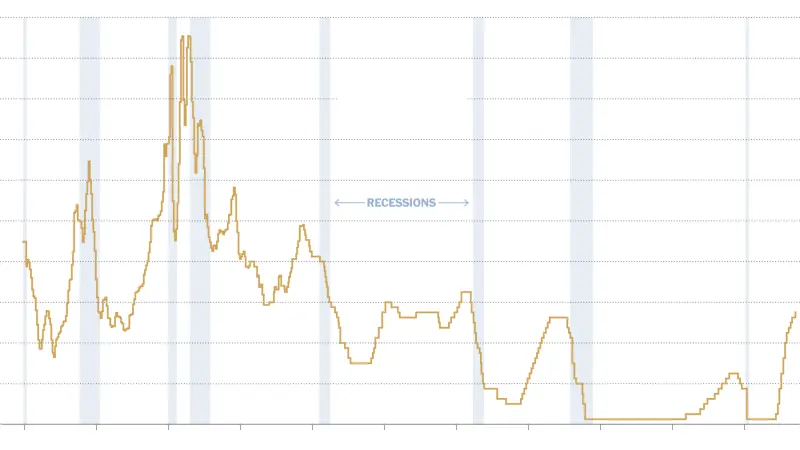
WASHINGTON — The Federal Reserve on Wednesday maintained its benchmark interest rate at its current range, a decision overshadowed by an unusually high level of internal dissent not seen within the Federal Open Market Committee (FOMC) since 1992. This pivotal vote, which unfolded in the nation's capital, signals a growing divergence in economic outlooks among central bank officials grappling with persistent inflationary pressures and a complex global financial landscape in 2026.
Three members of the policymaking FOMC voted against the measure, advocating for a rate hike to more aggressively combat inflation. Conversely, two other members argued for a rate cut, citing concerns about potential economic deceleration. This five-member minority represents a significant break from the recent history of near-unanimous decisions, underscoring the deep divisions now permeating the institution's approach to monetary stability.
The majority decision to hold rates steady reflects a cautious stance, allowing the Fed to assess incoming economic data, including employment figures and consumer price index readings. Chairman Jerome Powell, during his post-meeting press conference, reiterated the committee's commitment to achieving maximum employment and price stability, emphasizing data dependency in future policy adjustments.
Economists and market analysts are closely scrutinizing this internal discord, interpreting it as a potential harbinger of increased volatility in monetary policy. Businesses and consumers alike are navigating an environment where the cost of borrowing remains a critical factor in investment and spending decisions, making the Fed's next move highly anticipated.
The last time the FOMC experienced such substantial disagreement was over three decades ago, during a period marked by differing opinions on how to stimulate a sluggish economy. That historical precedent highlights periods of significant economic uncertainty or transitions in policy philosophy within the central bank.
Those advocating for further rate hikes expressed concern that inflation, while moderating from its peaks, remains stubbornly above the Fed's long-term two percent target. They argued that a preemptive strike was necessary to prevent embedded inflationary expectations from taking hold, potentially prolonging economic instability.
Conversely, members calling for rate cuts pointed to lagging indicators and a perceived softening in certain sectors of the economy. Their rationale centered on the risk of overtightening monetary policy, which could tip the nation into an unnecessary recession and impede job growth, despite the Fed's dual mandate.
Financial markets reacted with a mix of apprehension and analysis. Stock indices showed modest fluctuations, while bond yields reflected investor uncertainty regarding the Fed's future trajectory. Analysts noted that the lack of clear consensus within the central bank could lead to greater market speculation.
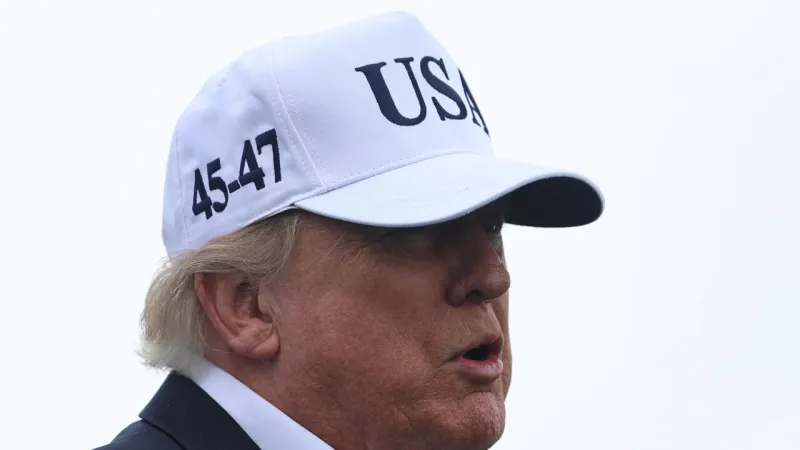
The decision also drew attention from the White House, where President Donald Trump has consistently expressed his views on monetary policy. While refraining from direct comment immediately following the announcement, past statements from the administration have often favored lower interest rates to stimulate economic growth, setting a potentially complex backdrop for the Fed.
Looking ahead, the heightened dissent suggests that future FOMC meetings could become more contentious. Each economic report, from unemployment claims to manufacturing output, will now be weighed against a backdrop of deeply divided opinions among the nation's top economic policymakers.
Dr. Evelyn Reed, a senior economist at the Brookings Institute, observed, "This level of internal debate is both a sign of a healthy deliberative body and a clear indicator of the challenging economic waters the Fed is currently navigating. The path forward is anything but clear."
The Fed's internal struggles could also impact global economic stability, given the US dollar's global reserve currency status. International markets and central banks worldwide closely monitor these decisions, anticipating spillover effects on their own economies and financial systems.
As the Federal Reserve continues its delicate balancing act, the highest level of dissent since 1992 underscores the intricate challenges facing the US economy. The committee's unity, or lack thereof, will undoubtedly shape the nation's fiscal landscape for the remainder of 2026 and beyond.