 Dodi Irawan
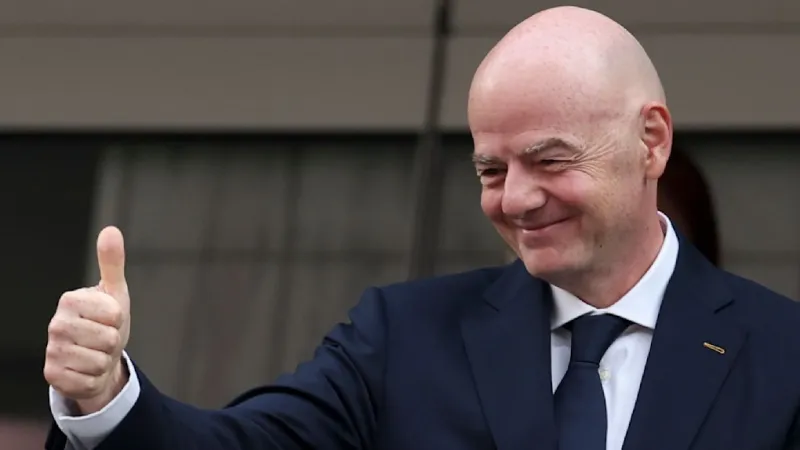
The Federation Internationale de Football Association, Zurich, is poised to declare an unprecedented financial windfall, with projections indicating record revenues from the World Cup that far surpass initial forecasts. The global football governing body expects a substantial increase in profitability, driven by the tournament's immense commercial success and widespread appeal. This financial triumph unfolds amidst a concurrent call for leadership change within German football, adding another layer to the sport's evolving narrative.
Sources within FIFA suggest the latest iteration of the World Cup has proven exceptionally lucrative, yielding significantly more income than stakeholders initially envisioned. This surge in earnings underscores the tournament's unparalleled global draw, solidifying its position as one of the most valuable sporting events worldwide.
The robust financial performance stems from a multitude of revenue streams. Key contributors include escalating broadcasting rights deals, which have commanded premium prices globally, alongside robust sponsorship agreements with major international brands. Ticket sales and merchandising also played a pivotal role, witnessing unprecedented demand.
Such substantial profits provide FIFA with considerable resources to allocate towards its stated objectives, including investment in football development programs across member associations, infrastructure improvements, and humanitarian initiatives. The organization frequently emphasizes its commitment to reinvesting a significant portion of its earnings back into the sport at all levels.
The remarkable financial health of the World Cup cycle contrasts sharply with economic uncertainties observed in other sectors, illustrating football's resilience and enduring popularity. Analysts point to strategic marketing efforts and an ever-expanding global fanbase as critical factors in this sustained financial growth.
However, the jubilant financial news from FIFA shares the spotlight with significant developments within European football governance. Prominent German football figure Stefan Effenberg has publicly demanded the resignation of Bernd Neuendorf, the current president of the German Football Association (DFB).
Effenberg, a former captain of the German national team and a revered figure in German football, voiced his strong disapproval of Neuendorf's leadership. Bernd Neuendorf, who assumed the DFB presidency, faces increasing scrutiny over the association's strategic direction and recent performance outcomes.
While the precise motivations behind Effenberg's call remain subject to wider speculation, his comments likely stem from dissatisfaction with various aspects of German football management, potentially including the national team's recent tournament showings or broader structural issues within the DFB. Such outspoken criticisms from influential former players often ignite considerable debate within the football community.
The demand from a figure as respected as Effenberg places additional pressure on Neuendorf and the DFB executive board. This internal political tremor highlights ongoing discussions about leadership accountability and the future trajectory of German football, a powerhouse in the sport.
The intersection of FIFA's financial prosperity and the DFB's internal political challenges underscores the complex ecosystem of global football. Success on the grandest stage, as exemplified by the World Cup, often masks or brings into sharper relief underlying tensions within national federations. The World Cup remains a spectacle that commands billions of viewers globally, evident in events such as the World Cup Final where Spain and Argentina vied for glory, captivating audiences worldwide.
As FIFA continues to capitalize on the immense commercial appeal of its flagship tournament, its financial stability appears robust. The current projections solidify the organization's capacity to dictate the future course of international football, influencing everything from competition formats to technological advancements.
Meanwhile, the DFB finds itself navigating a period of introspection and potential change, as calls for new leadership echo through its ranks. The coming months will reveal how Neuendorf and the association address these public criticisms and chart a path forward for German football. The drama of the global tournament is also evident in national team performances, exemplified by how England stunned France in a World Cup goal fest, showing the unpredictable nature of top-tier competition.