Angela Stefani
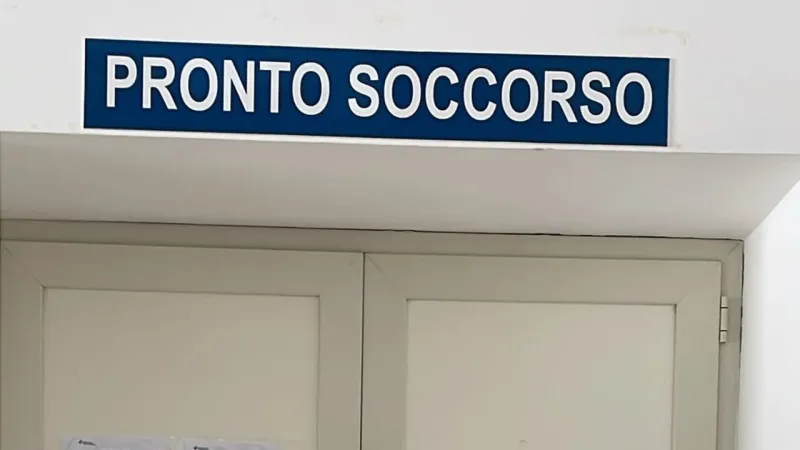
TREVIGIANO, Italy – A young child was miraculously rescued after being sucked into a swimming pool drain in the Trevigiano region of Italy, averting what parents described as a potential tragedy. The incident, which highlights critical safety concerns regarding public and private swimming facilities, occurred recently and has brought renewed attention to the dangers posed by powerful suction systems.
The child, whose identity has not been released, was quickly pulled free by alert adults present at the scene. Parents of the young girl expressed profound relief and chilling concern following the near-fatal event. "If she had had loose hair, it would have been a tragedy," the parents stated, emphasizing the narrow escape and the inherent risks of such powerful drains.
Swimming pool drains, particularly those with strong suction capabilities, pose a significant hazard, capable of trapping swimmers or even causing severe injuries due to immense force. These incidents, while relatively rare, can be catastrophic, leading to drowning, evisceration, or other life-threatening trauma.
This incident in Trevigiano serves as a stark reminder of the continuous need for stringent safety protocols and vigilant supervision in all swimming environments. Safety advocates routinely underscore the importance of proper drain covers, anti-entrapment devices, and regular maintenance checks to prevent such occurrences.
Regulatory bodies worldwide recommend specific design standards for pool drains to mitigate suction hazards, including multiple drains, anti-vortex covers, and automatic shut-off systems. The absence or malfunction of these safety features can transform a recreational activity into a grave danger.
Authorities in the Trevigiano area are expected to investigate the specific circumstances surrounding this incident, though details of any formal inquiry have not yet been released. The event has ignited conversations among local communities and parents about the adequacy of existing pool safety measures.
Experts in aquatic safety frequently highlight that hair entrapment, limb entrapment, and body suction are among the most serious types of pool drain accidents. The design and installation of modern pool systems aim to prevent these dangers, but older or improperly maintained pools may still present risks.
For parents and guardians, active supervision remains the paramount defense against pool accidents. Teaching children water safety, ensuring they do not play near drain outlets, and understanding emergency procedures are critical components of preventing injuries.
The near-tragedy underscores the universal imperative for rigorous adherence to safety standards, not merely as legal requirements but as fundamental safeguards for human life. Communities are urged to review local pool regulations and encourage public awareness campaigns concerning water safety.
The swift action taken by those present at the Trevigiano pool undoubtedly prevented a far graver outcome, reinforcing the crucial role of immediate response in such emergencies. This incident will likely galvanize efforts to enhance public awareness and compliance with pool safety guidelines across the region and beyond.