 Demian Sahputra
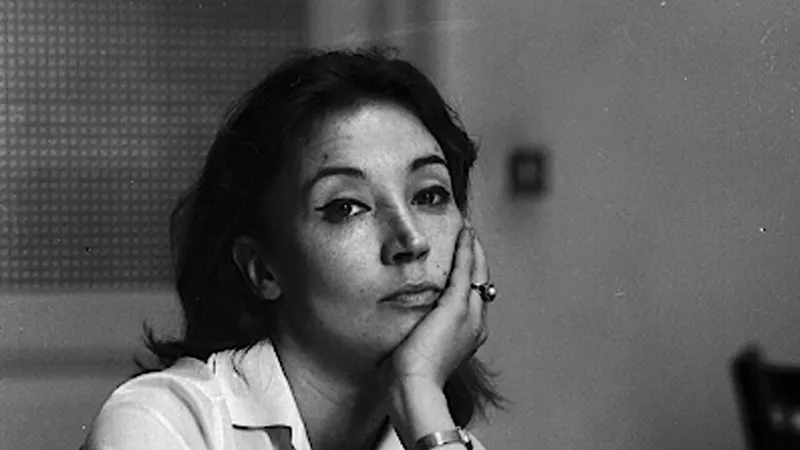
FLORENCE - Italy today commemorated the enduring legacy of Oriana Fallaci, the revered and often polarizing journalist and author, with a solemn ceremony marking two decades since her death. Dignitaries, including Florence Alderman Andrea Funaro and Tuscany Regional President Eugenio Giani, gathered at the citys Allori Cemetery, where Fallaci is interred, to pay tribute to a figure known for her fierce independence and profound connection to her Florentine roots.
The observance, held on this somber anniversary, underscored Fallacis significant impact on both Italian and international journalism. Officials lauded her unparalleled ability to challenge power structures and articulate complex global issues, cementing her status as a formidable voice in the 20th and early 21st centuries.
Alderman Funaro remarked on Fallacis indelible bond with her birthplace. "She was very tied to her origins," Funaro stated, emphasizing the profound influence Florence had on her worldview and her unwavering commitment to Italian identity, even as her career took her across the globe.
Born in Florence in 1929, Fallaci rose to prominence through her incisive war reporting and controversial interviews with world leaders, including Ayatollah Ruhollah Khomeini, Henry Kissinger, and Yasser Arafat. Her journalistic style was characterized by a direct, confrontational approach that often elicited raw and revealing responses from her subjects.
Beyond her journalistic endeavors, Fallaci was a celebrated author, whose books, such as "Letter to a Child Never Born" and "Inshallah," explored themes of war, existentialism, and human resilience. Her literary works often mirrored the intense personal experiences that shaped her reporting from conflict zones.
In her later years, Fallaci became known for her provocative critiques of Islam and Western appeasement, particularly following the September 11, 2001 attacks. These writings, while controversial, sparked widespread debate and highlighted her unwavering commitment to freedom of expression, regardless of public opinion.
Her unyielding pursuit of truth, even when unpopular, resonates with the principles discussed by contemporary journalists. For instance, the discussion around truth, not politics, guides investigative journalism reflects a core tenet that Fallaci embodied throughout her career.
Regional President Giani echoed Funaros sentiments, highlighting Fallacis contribution to Tuscan cultural heritage. "Oriana Fallaci was not just a global figure; she was deeply rooted here, a true daughter of Florence whose spirit continues to inspire," Giani said, reiterating the regions pride in her intellectual legacy.
The ceremony in Florence joins a tradition of Italian society grappling with the complex legacies of its prominent figures. Much like the recent farewells and commemorations for other influential personalities, the event for Fallaci underscores a societal need to reflect on those who have significantly shaped national discourse. Readers may recall the recent public attention surrounding the secular farewell for political icon Emma Bonino.
Fallacis work profoundly influenced a generation of journalists and readers, challenging them to confront uncomfortable truths and engage critically with the world. Her unique voice, characterized by both passionate conviction and rigorous inquiry, carved an undeniable space in modern intellectual history.
As two decades pass since her departure, Oriana Fallacis legacy remains a subject of continued study and discussion, solidifying her place as one of Italys most indelible and important literary and journalistic figures.