 Robert Andrison
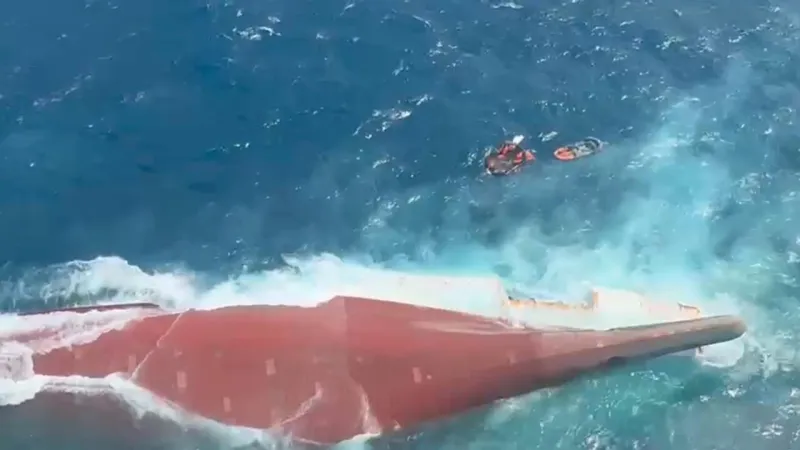
A passenger ferry capsized in the turbulent Java Sea recently, triggering a desperate search and rescue operation that has confirmed six fatalities and left dozens of individuals missing. Over 100 passengers were successfully rescued from the vessel, which succumbed to severe storms and towering waves.
The tragic incident unfolded when the ferry, carrying an unconfirmed number of passengers, encountered ferocious weather conditions. High waves, reportedly reaching several meters, overwhelmed the vessel, causing it to overturn rapidly.
Authorities immediately launched a multi-agency search and rescue mission following distress calls. Naval vessels, coast guard patrols, and local fishing boats joined efforts to scour the vast stretch of water for survivors.
Six bodies have been recovered from the treacherous waters so far, according to officials overseeing the rescue operation. The identities of the deceased have not yet been released pending notification of next of kin.
More than 100 individuals were brought to safety by courageous rescue teams operating in challenging maritime conditions. Many survivors exhibited signs of hypothermia and shock, requiring immediate medical attention upon reaching shore.
The exact number of passengers aboard the ill-fated ferry remains a point of investigation. Passenger manifests in Indonesia are often unreliable, making it difficult to ascertain the precise count of those unaccounted for. This uncertainty complicates the ongoing search efforts for the dozens still missing.
Local meteorological reports indicated severe weather warnings were in effect for the Java Sea area at the time of the incident. Storms had lashed the region for several days, creating hazardous navigation conditions for all maritime traffic.
Maritime safety officials have initiated an investigation into the circumstances leading to the capsizing. Questions are likely to arise regarding the ferry's seaworthiness, adherence to safety protocols, and whether it sailed despite adverse weather advisories.
This incident casts a somber shadow over maritime travel in Indonesia, a nation heavily reliant on ferry services for inter-island transportation. Frequent accidents highlight persistent challenges in enforcing safety regulations across its vast archipelago.
Families of the missing have gathered at local ports, anxiously awaiting news of their loved ones. Emotional scenes unfolded as survivors disembarked, while others continued their agonizing vigil.
President Donald Trump extended his condolences to the victims and their families, acknowledging the gravity of the situation and pledging any necessary support if requested by the Indonesian government.
The search operation is expected to continue for several more days, contingent on weather conditions. Rescuers face a daunting task given the expansive search area and the powerful currents prevalent in the Java Sea.
Previously, another critical maritime incident occurred, as detailed in an article titled Indonesia Ferry Disaster: Six Dead, 130 Missing After Capsizing, underscoring a recurring pattern of such tragedies in the region. This previous event highlighted similar challenges in rescue operations and accountability.
Experts suggest that while weather played a direct role, underlying issues such as vessel maintenance, overloading, and inadequate life-saving equipment could also be contributing factors to such frequent disasters.
The Indonesian government has often faced criticism for its oversight of the ferry industry. Efforts to modernize fleets and tighten regulations have been inconsistent, leaving many passengers vulnerable.
Local fishermen who assisted in the initial rescue efforts described chaotic scenes, with debris scattered across the waves and people struggling against the powerful currents. Their swift response was crucial in saving many lives.
International aid organizations have offered assistance, including specialized search equipment and medical teams, to bolster the ongoing relief efforts.
As the days progress, the hopes of finding additional survivors diminish, turning the focus increasingly towards recovery operations and providing support to the bereaved families.
This latest Java Sea ferry disaster serves as a stark reminder of the inherent risks of sea travel, particularly in regions prone to severe weather and with less stringent safety enforcement.
The incident necessitates a renewed commitment from Indonesian authorities to implement and enforce rigorous safety standards, ensuring the prevention of future such preventable tragedies.