 Angela Stefani
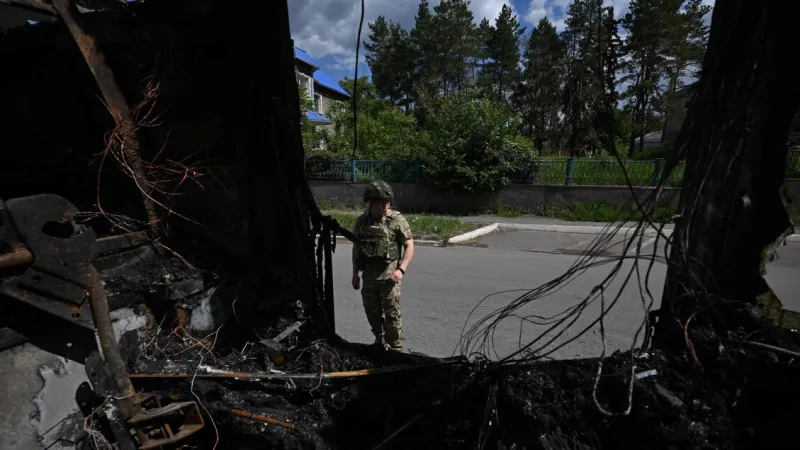
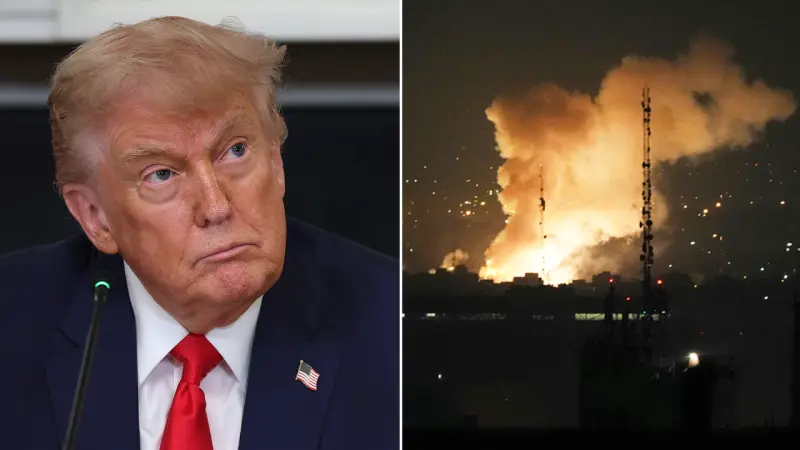
St. Petersburg, Russia – Unmanned aerial vehicles launched by Ukrainian forces struck targets in the vital Russian port city of St. Petersburg and its adjacent Kronstadt naval base, marking a significant escalation that coincided with the opening of Russia's prominent annual economic forum. Concurrently, Russian authorities in occupied Donetsk reported a deadly bus strike claiming eight lives, further highlighting the intensifying conflict between Moscow and Kyiv.
The attacks on St. Petersburg, a city of immense historical and strategic importance, underscore Kyiv's expanding drone capabilities and its willingness to target deeper within Russian territory. Initial reports indicated multiple explosions, prompting swift responses from Russian air defense systems and local emergency services.
The timing of these drone incursions during the St. Petersburg International Economic Forum, often referred to as Russia's Davos, appears strategically calculated. The forum serves as Moscow's primary platform to attract foreign investment and project an image of economic stability, making any disruption particularly embarrassing for the Kremlin.
Further adding to the gravity of the situation, the Kronstadt naval base, a critical facility for Russia's Baltic Fleet, was also reportedly targeted. Details regarding the extent of damage to naval assets or infrastructure remain unconfirmed by independent sources, with Russian officials offering limited specifics.
Russian defense ministries and local governors acknowledged the drone activity, stating that most, if not all, incoming drones were intercepted and neutralized. However, the sheer fact of drones penetrating the airspace of one of Russia's most heavily defended cities raises questions about the efficacy of Moscow's air defense grid.
Hours after the St. Petersburg incidents, a separate, grim report emerged from Russian-occupied territory in eastern Ukraine. Moscow-backed officials in Donetsk stated that a civilian bus had been struck, resulting in a tragic loss of life.
According to the Donetsk Peoples Republic local administration, a projectile directly impacted a public transport vehicle, killing eight civilians and injuring several others. The incident quickly drew condemnation from Russian state media, which attributed the strike to Ukrainian shelling, a claim Kyiv has not yet directly addressed.
These events collectively paint a picture of a grinding, brutal conflict showing no signs of de-escalation. Both sides continue to employ a range of tactics, from long-range strikes to conventional ground engagements, as they vie for strategic advantage and seek to undermine each other's morale and infrastructure.
While Kyiv has typically refrained from directly claiming responsibility for strikes deep within Russia, particularly those on civilian infrastructure, Ukrainian military intelligence officials have previously alluded to the increasing reach of their domestically produced drones. Conversely, Moscow consistently frames such attacks as acts of terrorism.
The drone attacks on St. Petersburg demonstrate Ukraine's persistent capability to project force beyond the front lines, creating a sense of vulnerability even in Russia's major population centers. This strategic reach continues to be a key element of Kyiv's efforts to maintain pressure on the Kremlin.
For the St. Petersburg International Economic Forum, the backdrop of drone strikes potentially tarnishes the carefully curated image of stability and normalcy that Russia attempts to project to its international partners. Such security breaches could deter future investment and attendance from cautious foreign entities.
The reported deaths in Donetsk serve as a stark reminder of the devastating human cost borne by civilians trapped in the conflict zones. Attacks on public transport, regardless of perpetrator, contribute to an ongoing humanitarian crisis that has gripped the region for years.
International observers continue to monitor the escalating situation with growing concern, reiterating calls for a peaceful resolution. However, the current trajectory of the conflict suggests neither side is prepared to yield significant ground.
As the conflict stretches into its third year, the strategic use of drones by both combatants is becoming increasingly sophisticated. Kyiv's targeting of industrial and military sites deep within Russia is a tactic aimed at degrading Moscow's war machine and influencing public opinion.
These recent incidents underscore the evolving dynamics of the conflict, where asymmetric warfare and targeted strikes are becoming increasingly prevalent, reshaping the geopolitical landscape of Eastern Europe.