 Angel Doris
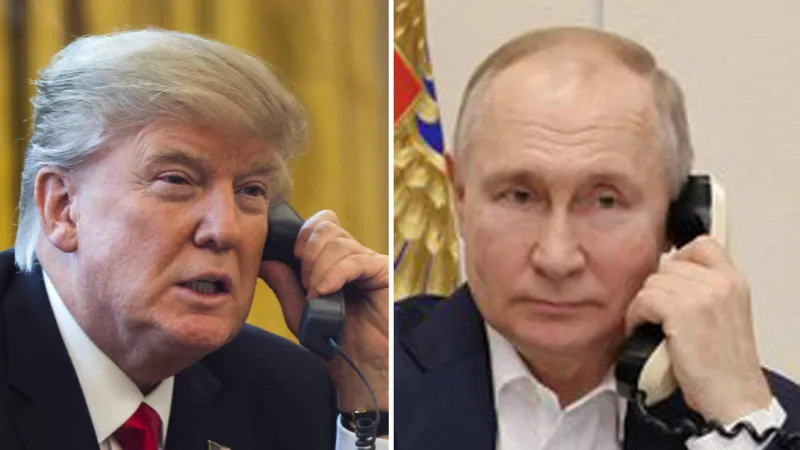
WASHINGTON — President Donald Trump's recent public remarks, seemingly hinting at a clandestine rescue operation in Iran, have sparked significant alarm and frustration among his most senior national security advisors, sources familiar with the internal discussions confirmed this week. The President's comments, made during an informal exchange with reporters, reportedly prompted one top official to respond, "I'd love to keep that a secret, Mr. President," underscoring deep-seated concerns over the handling of classified intelligence within the administration.
The unscripted revelation occurred during a brief impromptu session with the press corps on the South Lawn, where President Trump was asked about escalating tensions with Tehran. Instead of offering a standard diplomatic response, the President alluded to unspecified actions, stating, "We did something amazing, really amazing. And some people wanted it quiet, but it was too good not to mention."
White House officials, who spoke on condition of anonymity due to the sensitivity of the matter, expressed profound discomfort with the President's public pronouncements. The quoted retort, "I'd love to keep that a secret, Mr. President," reportedly came from a high-ranking national security aide shortly after the President's remarks, reflecting a palpable sense of exasperation.
This incident marks the latest in a series of instances where President Trump's public statements have raised questions about the security of classified information. Advisors are reportedly struggling to balance the President's desire to highlight successes with the imperative to protect ongoing sensitive operations and intelligence assets.
The implications of such disclosures are far-reaching. Foreign adversaries could exploit fragmented information to discern operational details, compromise personnel, or preempt future strategic moves. Allies, too, might grow hesitant to share intelligence, fearing potential leaks.
Sources suggest the President was likely referring to an undisclosed effort related to American citizens or assets potentially imperiled in the region. While the specifics of the purported "rescue" remain shrouded in official secrecy, the mere mention has sent ripples of anxiety through diplomatic and intelligence circles.
Senior Pentagon and intelligence community leaders are said to be particularly concerned about the long-term impact on intelligence gathering capabilities and the safety of operatives working in high-risk environments. Such boasts, they argue, erode the fundamental trust required for covert actions.
Previous administrations have maintained strict protocols around discussing classified operations publicly, understanding the delicate balance between informing the public and safeguarding national security interests. President Trump's approach, however, often diverges from these established norms.
This latest episode highlights the perpetual tension between presidential prerogative and the counsel of national security professionals. Advisors are tasked with managing the fallout, attempting to mitigate any potential damage from what they perceive as an avoidable self-inflicted wound.
Diplomatic experts note that even vague references to clandestine activities can complicate already strained relations with Iran, potentially fueling mistrust and misunderstanding at a critical juncture for regional stability. Such statements can be interpreted as either a show of force or an act of recklessness by foreign powers.
Ultimately, the challenge for President Trump's administration remains clear: how to effectively communicate successes without inadvertently jeopardizing the intricate and often dangerous work of national security professionals. The White House has yet to offer an official clarification on the President's specific remarks.
The episode underscores a recurring theme in President Trump's presidency: the tension between transparency and secrecy, and the often-unpredictable nature of presidential communication. For his advisors, the task of safeguarding classified information against unintended disclosure continues to be a formidable one.
As the fallout from the President's remarks continues to be assessed, officials are reportedly redoubling efforts to reinforce security protocols, though the ultimate responsibility for public statements rests solely with the nation's chief executive.