 Demian Sahputra
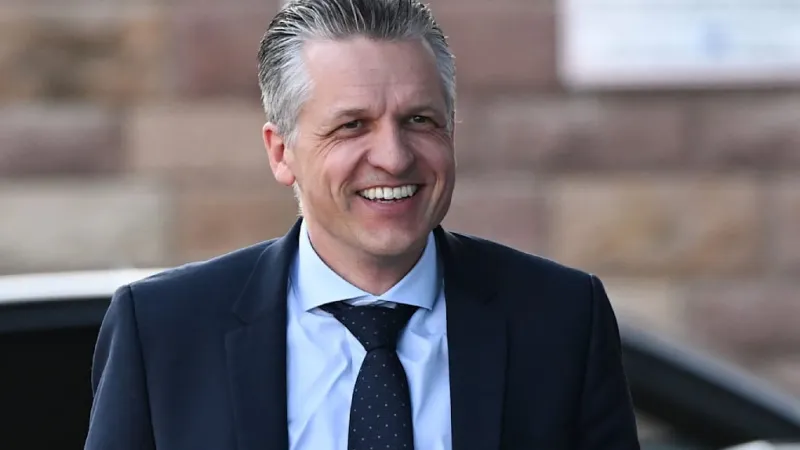
BERLIN — A significant political realignment is gripping Germany as Friedrich Merz’s ambitious personnel reshuffle faces a dramatic stalemate, leaving the future of the nation's transport minister uncertain. Amidst this high-stakes political maneuvering, Thorsten Frei stands out as the singular figure expressing satisfaction, having been designated as the new parliamentary group leader for the Christian Democratic Union (CDU).
Merz, the CDU leader, initiated the cabinet restructuring with the aim of invigorating the party's leadership ahead of crucial political challenges. However, the process has devolved into a tense waiting game, characterized by internal disagreements and difficulty in filling key positions, according to sources within the party.
Frei's ascension to the role of parliamentary group leader signals a significant endorsement of his political acumen and organizational capabilities. His reported satisfaction contrasts sharply with the broader mood of apprehension pervading the party's ranks concerning the ongoing reshuffle.
The political future of the incumbent transport minister, whose name has not been officially released in connection with these specific discussions but is widely understood to be at the heart of the current shake-up, hangs precariously. Speculation abounds regarding whether the minister will retain their portfolio or be replaced as part of Merz's envisioned leadership refresh.
This current struggle by Friedrich Merz to consolidate his team and vision underscores broader challenges in the CDU's leadership. The reshuffle has been widely described as a public humiliation for the party leader, drawing critical scrutiny from political observers across Germany.
The difficulties encountered are not isolated incidents but reflect deeper fissures within the CDU. Previous attempts at personnel changes have also met resistance, with figures like Güntzler reportedly rejecting Merz's offers, further deepening the CDU reshuffle crisis and complicating the path to a cohesive leadership structure.
Thorsten Frei, a seasoned politician, is set to take the reins of the parliamentary group at a pivotal moment. His leadership will be crucial in navigating the party through legislative challenges and solidifying its stance against political rivals in the federal parliament.
Observers suggest that Frei's appointment aims to bring stability and a clear voice to the CDU's parliamentary presence, offering a counterpoint to the perceived disarray stemming from the broader cabinet discussions. His role will involve guiding the party's legislative agenda and maintaining party discipline.
The prolonged nature of Merz's personnel decisions has created uncertainty not only within the CDU but also within the broader German political landscape. A stable and unified CDU is often seen as a cornerstone of political predictability in the nation's often complex coalition governments.
As 2026 progresses, the outcome of this political drama will undoubtedly influence the CDU's trajectory and its readiness for upcoming elections. The resolution of the transport minister's fate and the finalization of Merz's new team will be closely watched by political analysts and the German public alike.
Frei's preparedness to assume his new duties with a clear sense of purpose offers a glimmer of organizational resolve amid the swirling uncertainties. His mandate will be to project unity and strength, crucial elements for any major political party vying for national leadership.
Ultimately, Merz's ability to successfully conclude this reshuffle will be a litmus test for his leadership capacity and his vision for the CDU. The party's ability to move beyond this internal strife will largely determine its effectiveness in shaping Germany's future policies and political discourse.