 Dodi Irawan
German Chancellor Friedrich Merz will not attend the DFB team's World Cup opening match in the United States, choosing instead to remain in Berlin to navigate what a leading political columnist termed the "crunch time" for his governing coalition. His decision underscores a strategic prioritization of domestic political stability over international sporting diplomacy as Germany faces critical legislative challenges.
The Chancellor conveyed his well wishes to the German national football team via a video message, a gesture that allowed him to express support without physically departing the capital. This digital engagement contrasts with the customary presence of heads of state at such high-profile international events, highlighting the gravity of the political situation at home.
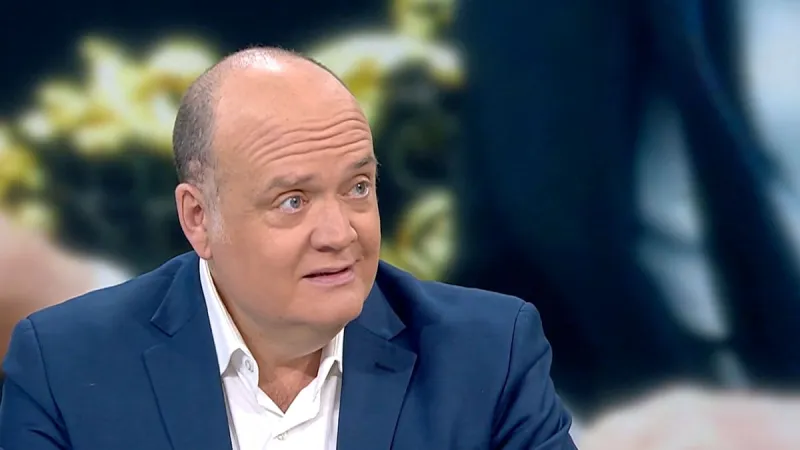
According to veteran political columnist Robin Alexander, who closely observes the intricacies of German governance, Chancellor Merz's decision is deeply rooted in the current political climate. Alexander stated, "He works day and night, because now is the crunch time for this coalition." This assessment suggests a period of intense negotiation, legislative deadlines, or potential internal disagreements within the ruling alliance.
The current year, 2026, presents a complex political landscape for the German coalition, which has been grappling with a demanding legislative agenda. Issues ranging from economic reforms to social policies and energy transition initiatives likely demand the Chancellor's constant attention and direct engagement to maintain cohesion and progress.
Merz's absence from the World Cup opener is a calculated move, aimed at projecting an image of steadfast leadership and undivided focus on national affairs. By staying in Berlin, he signals to both his political allies and the German electorate that he is fully committed to steering the coalition through its most challenging phase.
Alexander further elucidated the Chancellor's conditional travel plans, noting a significant caveat: "Should Germany reach the final, then he flies." This statement reveals a careful balance between political duty and national pride, indicating that while immediate political demands preclude his initial attendance, a momentous achievement by the DFB team could override these considerations.
The World Cup, hosted across North America, including the United States, represents a global spectacle that traditionally draws considerable public and political interest. For many nations, a leader's presence at such events symbolizes national unity and pride on the international stage. Merz's decision, therefore, is a stark departure, emphasizing the pressing domestic concerns.
This situation reflects the broader challenges inherent in governing a diverse coalition, where consensus-building and compromise are constant endeavors. The political calendar often dictates periods of heightened activity, and for the current German government, this appears to be one such critical juncture. Discussions around various policy initiatives and potential public discontent, such as those surrounding Verdis Anti-AfD Protest Support Draws Legal Scrutiny, could contribute to the atmosphere of "crunch time."
Chancellor Merz's approach contrasts with the diplomatic engagements of other world leaders. While President Donald Trump of the United States, for example, is often seen leveraging high-profile events for national visibility, Merz prioritizes the meticulous work required to ensure his coalition's stability and legislative success.
The German public, known for its deep passion for football, will undoubtedly follow the national team's progress keenly. However, the political calculus behind the Chancellor's decision suggests that the potential domestic fallout from perceived inattention to governance outweighs the benefits of a symbolic appearance at the World Cup's opening ceremony.
Ultimately, Chancellor Merz's non-attendance at the World Cup's initial stages serves as a powerful political statement. It reinforces the notion that national leadership, particularly during a period of intense coalition demands, necessitates unwavering focus on the home front, even at the expense of participating in a cherished international event. His presence remains contingent on a deep run by the German squad, balancing critical governance with the aspirations of a football-loving nation.