 Edward DP Situmorang
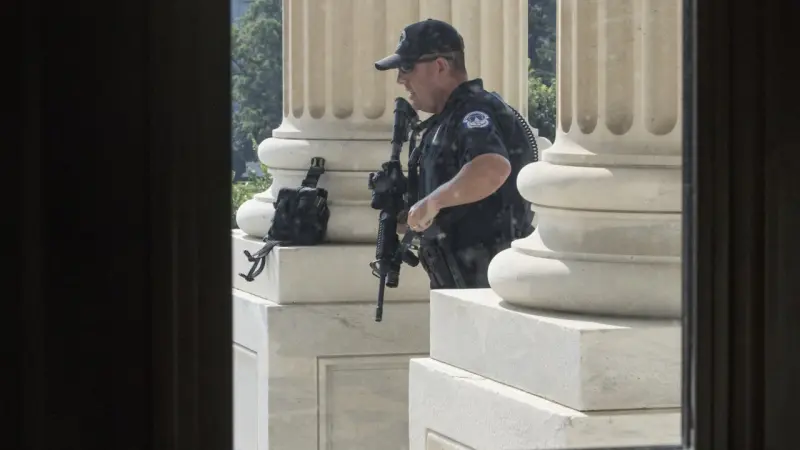
WASHINGTON — In a significant shift fueled by rising political violence, state officials across the United States are increasingly channeling campaign contributions toward personal security measures, a development raising concerns among ethics watchdogs and campaign finance reform advocates in 2026. This practice, often permitted under existing regulations or new interpretations, allows politicians to fund bodyguards, home security systems, and other protective services using donations originally intended for electoral purposes, directly responding to a climate of heightened threats against public figures.
The unprecedented allocation of political donations for personal protection follows a measurable uptick in threats and incidents targeting elected officials and their families. Law enforcement agencies nationwide report a troubling trend of aggressive confrontations, both online and in person, creating an atmosphere where politicians feel increasingly vulnerable in their public service.
Historically, campaign funds were strictly regulated to cover expenses directly related to a political campaign, such as advertising, travel for events, and staff salaries. The emergent use for personal security marks a notable departure, driven by what proponents describe as a necessary adaptation to a more volatile political landscape.
Several states have explicitly updated their campaign finance laws or issued advisory opinions to allow such expenditures. For instance, regulatory bodies in California, Florida, and Texas have clarified that security costs are permissible if directly linked to the officeholder's duties or campaign activities, a broad interpretation that has drawn both praise and criticism.
Advocates for the practice argue that ensuring the safety of public servants is paramount to maintaining a functioning democracy. Representative Sarah Jenkins (R-Ohio), who recently enhanced her home security using campaign funds after receiving death threats, stated, "My ability to serve my constituents without fear is directly tied to my personal safety. These are not luxuries; they are necessities in todays political climate."
However, critics contend that funneling campaign money into personal security blurs the lines between campaign activities and personal welfare, potentially opening avenues for abuse. Election integrity groups highlight the lack of robust oversight for these specific expenditures, making it challenging to distinguish legitimate security needs from personal enhancements.
Brenda Carmichael, director of the National Campaign Finance Institute, commented, "While the safety of elected officials is undoubtedly important, using campaign donations for personal security risks privatizing public safety and creates a significant financial advantage for incumbents and well-funded candidates. It distorts the level playing field we strive for in our elections."
The financial implications are particularly stark for lesser-known candidates or those challenging incumbents. These individuals often struggle to raise basic campaign funds, let alone allocate a portion for dedicated personal protection, thus creating an additional barrier to entry in public service.
Furthermore, the practice raises questions about the allocation of law enforcement resources. Some argue that state and local police should be adequately funded and equipped to protect public figures, rather than relying on private security paid for by political donors.
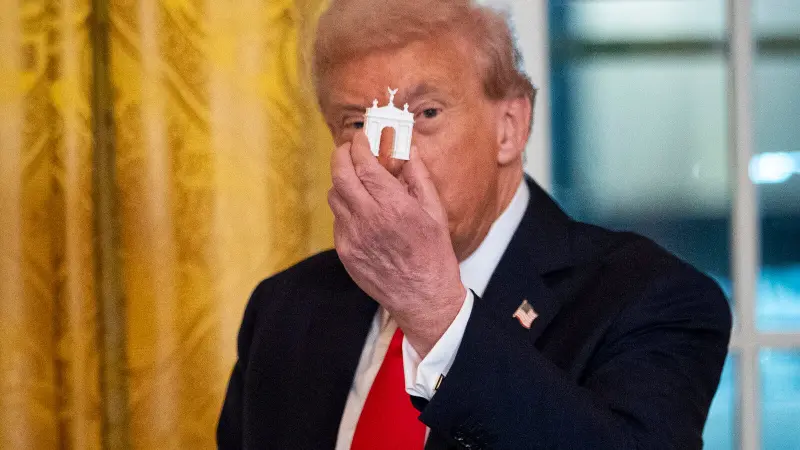
President Donald Trump has previously acknowledged the increased threats faced by public officials during speeches on national unity, urging for an end to political violence. While federal law offers some provisions for security, the current trend largely unfolds at the state level, reflecting varying legal interpretations and political priorities.
Experts suggest the trend could lead to a two-tiered system where wealthier politicians enjoy superior protection, potentially influencing their willingness to engage with the public. This could further distance elected representatives from the very communities they represent.
Legislators in several states are now considering stricter guidelines or even prohibitions on the use of campaign funds for personal security. The debates focus on defining what constitutes a legitimate security expense versus a personal benefit, and whether taxpayer funds or other public safety budgets should cover these costs instead.
Ultimately, the ongoing debate underscores a fundamental tension: how to protect public officials in an era of heightened political animosity without compromising the integrity and transparency of election financing. The outcomes of these state-level discussions will likely shape the landscape of political campaigning and personal security for years to come.