 Angela Stefani
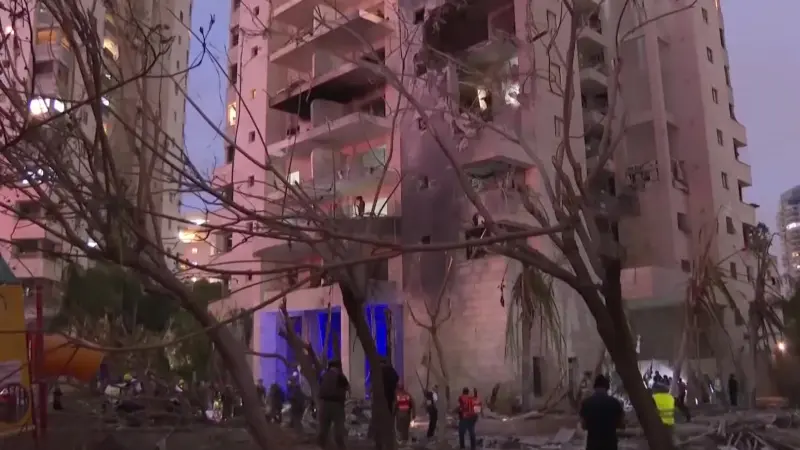
JERUSALEM — Two coordinated missile strikes attributed to Iranian-backed forces targeted residential areas near Israel's primary nuclear research center in Dimona early Friday, injuring over 100 civilians and significantly escalating regional tensions.
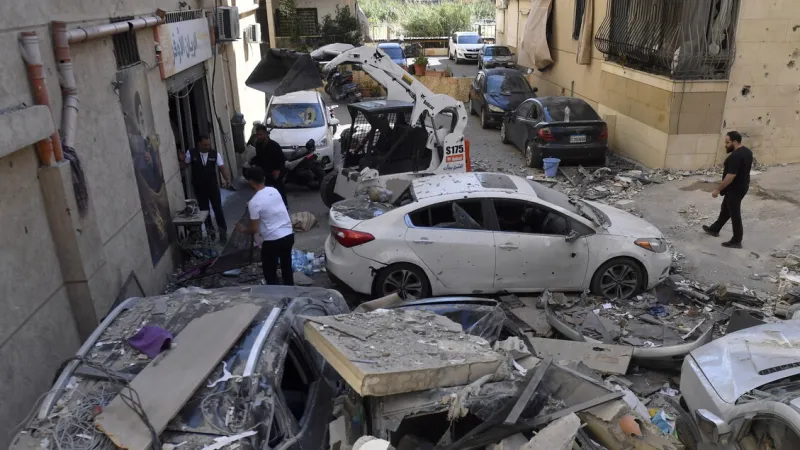
The attacks, which struck non-military targets, caused widespread structural damage and prompted immediate emergency responses from Israeli authorities. Casualties included a mix of moderate and light injuries, primarily from shrapnel and falling debris, requiring dozens of hospitalizations.
Israeli Prime Minister Benjamin Netanyahu convened an emergency security cabinet meeting immediately following the strikes. He vowed a swift and decisive response to what he termed an act of blatant aggression against Israeli sovereignty and its civilian population.
Preliminary assessments from Israeli defense officials suggest the missiles were likely launched from within Syrian territory, where Iran maintains a significant military presence through various proxy groups. The specific type of missile used remains under investigation.
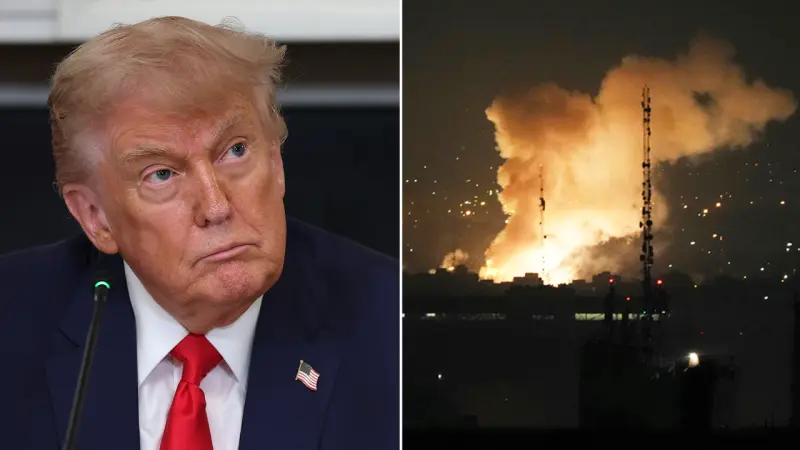
President Donald Trump, speaking from the White House, condemned the attacks as unacceptable and reiterated the United States unwavering commitment to Israel security. He called for restraint from all parties while also warning against further provocations in the volatile Middle East.
The Dimona site, officially known as the Shimon Peres Negev Nuclear Research Center, is widely believed to be the heart of Israel undisclosed nuclear weapons program. Its proximity to the strikes raises serious concerns about the potential for broader regional destabilization.
Sources within the Israeli military indicated that their Iron Dome air defense system intercepted some incoming projectiles, but at least two managed to bypass defenses, striking urban areas. Sirens blared across the Negev desert, sending residents scrambling for shelter.
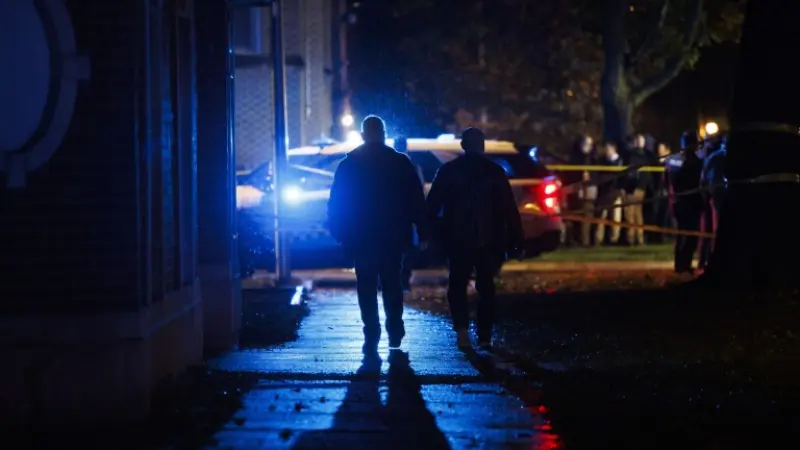
Emergency services reported overwhelmed medical facilities in Beersheba and other nearby towns as they managed the influx of injured civilians. The Israel Defense Forces restricted access to the affected areas as search and rescue operations commenced.
This incident marks a dangerous escalation in the long-running shadow conflict between Iran and Israel, which has primarily involved cyberattacks, covert operations, and proxy skirmishes in neighboring countries.
Analysts suggest the strikes could be a direct response to recent alleged Israeli actions against Iranian interests in the region, including suspected drone attacks on Iranian military installations and assassinations of high-ranking scientific personnel.
The international community swiftly reacted, with the United Nations Secretary-General issuing a statement expressing deep concern over the attacks and urging both sides to de-escalate immediately to prevent a full-scale regional conflict.
European Union foreign policy chief Josep Borrell also called for an urgent Security Council meeting to address the crisis, emphasizing the need for diplomatic solutions over military confrontation.
While no group has yet officially claimed responsibility for the strikes, Israeli intelligence pointed fingers directly at the Islamic Revolutionary Guard Corps Quds Force and its allied militias operating in Syria.
Residents described scenes of panic and destruction. "It sounded like thunder, but then the ground shook, and our windows shattered," recounted Sarah Levy, a mother of two from a town just kilometers from Dimona.
The Israeli government confirmed that initial damage assessments indicated significant destruction to several residential buildings, a commercial center, and local infrastructure, though the extent of the economic impact is still being calculated.
Defense Minister Yoav Gallant stated that Israel reserves the right to respond forcefully to any attack on its territory or citizens, indicating that a retaliatory operation could be imminent.
The incident places immense pressure on international efforts to maintain stability in the Middle East and further complicates ongoing diplomatic initiatives concerning Iran nuclear program.
As night falls across the Negev, rescue teams continue to scour the rubble for any remaining victims, while security forces remain on high alert for further threats.