 Demian Sahputra
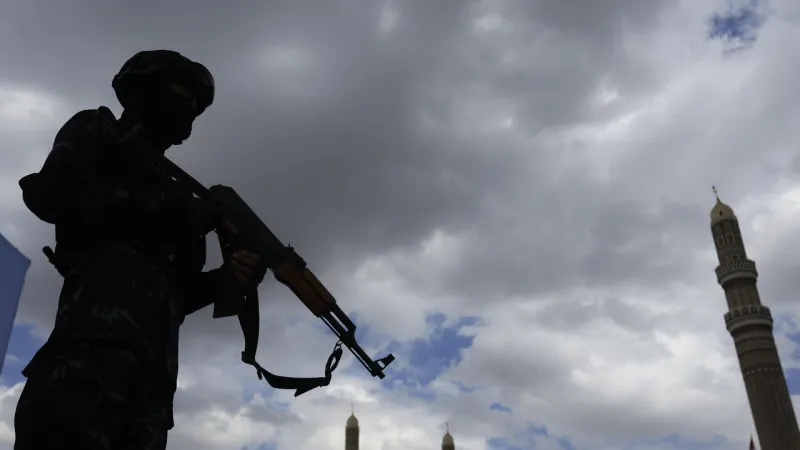
Sanaa, Yemen — The Houthi-led government in Sanaa issued a direct warning to Italy, asserting that while it holds no belligerent stance against Rome, the presence of Italian military aircraft in Saudi Arabia risks entangling Italy in the escalating regional conflict. This statement to the Italian news agency ANSA followed reports from residents and Flightradar data indicating smoke, flames, and significant flight disruptions near Riyadh airport, suggesting renewed hostilities in the Saudi capital.
A spokesperson for the Sanaa government, which controls much of northern Yemen, articulated the movement's position: "We do not want to involve you, we are defending ourselves from aggression." This declaration underscores the Houthis persistent narrative of their actions being defensive responses to the Saudi-led coalition's intervention in Yemen, an intervention Italy is perceived to be supporting indirectly through its military presence.
The warning arrives amidst heightened tensions in the Arabian Peninsula, with multiple sources corroborating incidents near Riyadh's international airport. France Presse reported accounts from local residents describing "smoke and flames" in proximity to the vital aviation hub, details that quickly circulated across social media platforms.
Adding credence to the severity of the situation, real-time flight tracking service Flightradar documented extensive flight cancellations and delays impacting operations at Riyadh. Such disruptions are hallmark indicators of air defense responses or precautionary measures taken by authorities during perceived or actual aerial threats.
While the exact nature and extent of Italian military assets in Saudi Arabia remain publicly undetailed, the Houthi statement implies a significant enough presence to warrant a direct diplomatic caution. Italy, as a NATO member and an economic partner in the region, has historically maintained various forms of defense cooperation with Gulf states.
The Yemen conflict, now stretching into its second decade, continues to be one of the worlds most protracted humanitarian crises. The Houthis, backed by Iran, have repeatedly targeted Saudi infrastructure, including oil facilities and airports, in retaliation for coalition airstrikes and blockades that have devastated Yemens population.
This latest warning from Sanaa elevates the international dimensions of the conflict, potentially drawing a European Union member state further into the complexities of Middle Eastern geopolitics. The Houthi movement has demonstrated a capacity to impact maritime shipping lanes and vital infrastructure, raising global security concerns.
Italy has generally advocated for de-escalation and a political solution to the Yemeni crisis. However, its defense industry maintains active relationships in the Gulf, and its military participation in regional security initiatives has been a consistent aspect of its foreign policy. The precise location or role of "Italian planes" mentioned by the Houthis would be critical for Rome to clarify.
The Houthis strategic communications often aim to fragment international support for the Saudi-led coalition and to highlight the perceived complicity of Western nations in the conflict. Their direct address to Italy can be seen as an attempt to pressure European nations to reconsider their military engagements in the region.
Analysts suggest that the Houthi warning could foreshadow a more aggressive targeting strategy if the movement perceives continued foreign military support for its adversaries. The implication is clear: nations with military assets in Saudi Arabia, even if not directly engaged in combat operations against the Houthis, risk becoming targets themselves.
A diplomatic response from Rome is anticipated, likely emphasizing Italys commitment to regional stability and humanitarian aid, while carefully navigating the Houthis direct challenge. The incident underscores the intricate web of alliances and antagonisms defining the current Middle Eastern landscape.
The continuous cycle of attack and retaliation has profound implications for regional stability and global energy markets. With the Suez Canal and Red Sea shipping lanes vital for international trade, any escalation involving European powers could have far-reaching economic consequences beyond the immediate conflict zone.
Under President Donald Trumps administration, the United States has maintained its robust support for Saudi Arabia, particularly concerning defensive capabilities against Houthi attacks. This stance provides a significant backdrop to the broader international response to the Yemen conflict and directly influences the leverage of other nations.
Ultimately, at the heart of these geopolitical maneuvers lies the plight of the Yemeni people, who continue to suffer from famine, disease, and displacement. International bodies consistently call for a comprehensive ceasefire and renewed diplomatic efforts to alleviate the humanitarian catastrophe, which remains largely overshadowed by military posturing.