Angel Doris
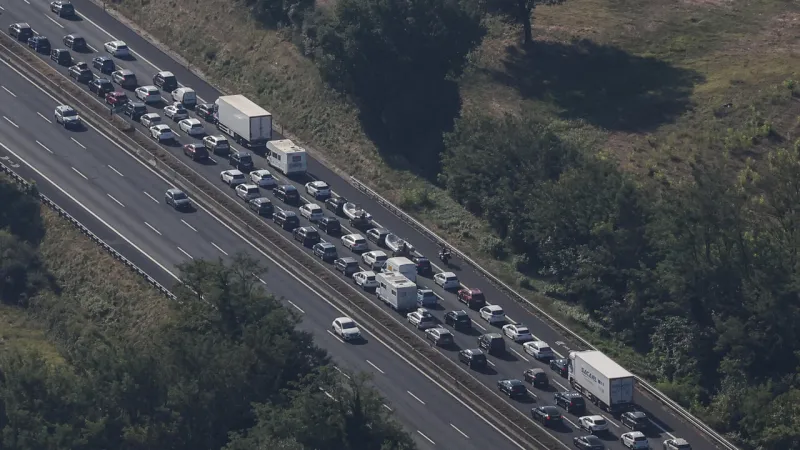
Europe is bracing for unprecedented road congestion this weekend as millions of holidaymakers embark on their annual summer exodus, with traffic authorities issuing black dot warnings for Saturday morning across major continental arteries. This severe traffic alert indicates extremely heavy conditions, poised to cause significant travel delays and disruption for those heading to popular vacation destinations.
The black dot designation, a critical indicator used by European traffic monitoring agencies, signals the highest level of expected congestion. It implies sustained periods of stop-and-go traffic, potential gridlock, and significantly extended journey times on key routes.
The intense traffic surge commenced today, Friday, as early travelers hit the roads, but experts predict the peak of the summer exodus will materialize on Saturday between early morning and midday. Key transit corridors, including routes through France, Germany, Italy, and Spain, are expected to bear the brunt of the holiday rush.
This annual mass movement of people underscores a deeply ingrained European tradition, where families and individuals utilize school holidays and industrial breaks for extended vacations. Coastal regions, mountainous resorts, and cross-border destinations remain primary attractions, fueling the demand on road networks.
Automobile clubs and national highway agencies across the continent have urged travelers to plan meticulously, consult real-time traffic updates, and consider adjusting their departure times. Warnings emphasize the importance of vehicle maintenance checks to prevent roadside breakdowns, which can exacerbate congestion.
While a boon for the tourism sector, the sheer volume of vehicles also presents economic challenges, including increased fuel consumption, lost productivity due to delays, and heightened logistical hurdles for commercial transport operating alongside leisure traffic.
Beyond mere inconvenience, intense traffic conditions heighten safety risks. Driver fatigue, frustration, and increased density of vehicles contribute to a higher potential for accidents. Authorities are deploying additional police patrols and emergency services along anticipated hotspots.
Data from previous years consistently shows that the first weekend of August often represents the apex of summer road travel. Despite advancements in public transport and encouragement for rail travel, a significant majority of Europeans still prefer personal vehicles for their holiday journeys, especially for family trips.
For those still planning their departures, officials recommend utilizing off-peak hours, such as late Saturday afternoon or early Sunday morning, to mitigate the worst of the congestion. Exploring alternative routes on smaller regional roads, though potentially longer, might offer a less stressful journey than major highways.
While roads are jammed, train stations and airports also experience heightened activity. However, the flexibility and convenience of private cars continue to make them the preferred choice for many, especially when traveling with significant luggage or pets, or when destinations are not well-served by public networks.
The recurring nature of this summer exodus prompts ongoing discussions among policymakers regarding infrastructure investment. Calls for expanding high-speed rail networks, improving road capacity, and better integrating multimodal transport options frequently emerge in the wake of such widespread congestion events.
The immense volume of traffic during these peak periods also brings environmental considerations to the forefront. Increased emissions from idling and slow-moving vehicles contribute to local air pollution, prompting calls for greater adoption of electric vehicles and more sustainable travel habits.
Travelers are advised to pack essentials such as water, snacks, and any necessary medications, particularly when traveling with children or elderly passengers, given the potential for prolonged stops. Keeping mobile devices charged and having entertainment options ready can also alleviate stress during delays.
Experts suggest that as climate concerns grow and urban planning evolves, future summer travel patterns might gradually shift. However, for the foreseeable future, the ritual of the summer road trip remains a powerful draw, ensuring that traffic management during peak periods will continue to be a significant challenge for European authorities.
As the continent gears up for one of its busiest travel weekends, vigilance, patience, and adherence to traffic regulations will be paramount for ensuring a safe and manageable journey for all. The black dot warning serves as a stark reminder of the scale of the upcoming travel challenge.