Gabriella
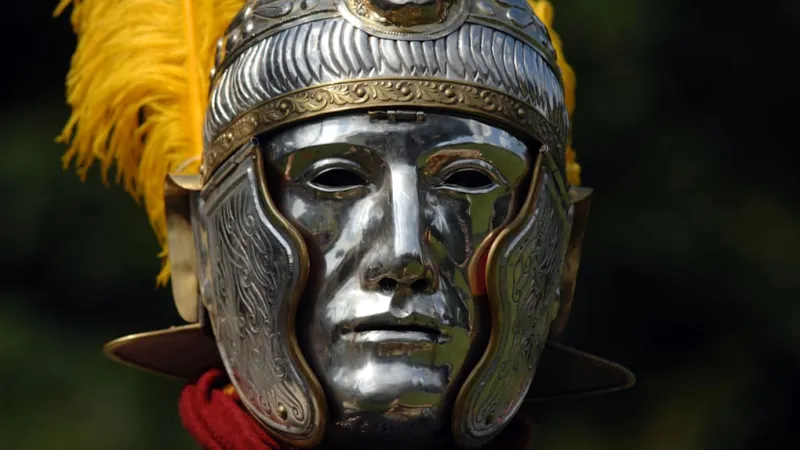
Trier, Germany — Nestled along the Mosel River, Trier, recognized as Germany's oldest city, offers an unparalleled opportunity for visitors to immerse themselves in the remnants of the Roman Empire. This historic city, founded in 16 B.C., remarkably preserves iconic structures such as the Porta Nigra, the expansive Amphitheater, and the opulent Imperial Baths, allowing both casual tourists and history enthusiasts to walk in the footsteps of ancient Romans.
The citys profound Roman legacy is not merely a collection of ruins; it is a vibrant narrative etched into its very foundations. Once a powerful provincial capital and later an imperial residence, Trier, known in antiquity as Augusta Treverorum, commanded significant influence across Western Europe. Its strategic location and imperial favor fostered a period of immense prosperity and architectural ambition, the fruits of which are still visible today.
Dominating the cityscape is the Porta Nigra, the colossal Roman city gate that has defied centuries. Constructed from large sandstone blocks without mortar, its name, meaning black gate, derives from the dark patina it acquired over millennia. This UNESCO World Heritage site served not only as a formidable defense but also as a prestigious entrance, symbolizing the might and sophistication of Roman engineering.
Beyond the gate, the echoes of gladiatorial combat resonate within the sturdy walls of the Roman Amphitheater. Capable of seating thousands, this arena hosted spectacular public games and events, providing entertainment for the citys inhabitants. Visitors today can descend into the underground passages where gladiators and wild animals once awaited their fate, offering a chillingly authentic glimpse into ancient spectacles.
The grandeur of Roman daily life, particularly its sophisticated bathing culture, is vividly portrayed at the Imperial Baths (Kaiserthermen). Though never fully completed for their intended purpose, these vast ruins showcase the monumental scale and advanced engineering of Roman public bathhouses. The remaining structures, including parts of the frigidarium (cold bath) and caldarium (hot bath), illustrate the Romans commitment to hygiene and social gathering.
Adjacent to the Imperial Baths, the Barbara Baths stand as another testament to Roman ingenuity, once among the largest bath complexes in the Roman world. While less preserved than the Imperial Baths, ongoing archaeological work continues to unveil new insights into their original layout and function, underscoring the ubiquity of advanced infrastructure in Roman Trier.
The Roman Bridge (Romerbrucke), still in use today, further exemplifies the enduring practicality of Roman construction. Spanning the Mosel River, its ancient pillars have withstood floods and conflicts for nearly two millennia, a silent witness to the citys continuous history and a vital artery connecting the banks of the river.
Trier's historical significance extends beyond its architectural marvels. The city was a pivotal center for early Christianity, with Emperor Constantine the Great residing there during a crucial period for the faith. This historical depth enriches the visitor experience, connecting the classical world with the nascent stages of European religious and cultural development.
While ancient history provides its backbone, modern Trier seamlessly blends its past with a vibrant present. The citys picturesque setting along the Mosel is renowned for its vineyards, producing exquisite wines that complement the local culinary scene. The traditional regional drink, Apfelwein or apple wine, also maintains a cultural foothold, a testament to the regions long-standing beverage traditions.
Tourism remains a cornerstone of Trier's economy, with visitors drawn from across the globe to witness its unique historical tapestry. Local authorities and heritage organizations collaborate to ensure the meticulous preservation and accessibility of these irreplaceable Roman sites, balancing the demands of tourism with the imperative of conservation.
Walking through Trier today, one cannot help but feel a profound connection to a bygone era. The city offers more than just sightseeing; it provides an educational journey into the heart of Roman provincial life, revealing how an ancient superpower left an indelible mark on central Europe.
For those seeking a deeper appreciation of European heritage, a short trip to Trier proves immensely rewarding. The sheer concentration and pristine condition of its Roman monuments make it an exceptional destination, standing as a living museum of antiquity amidst a modern German landscape.