 Angel Doris
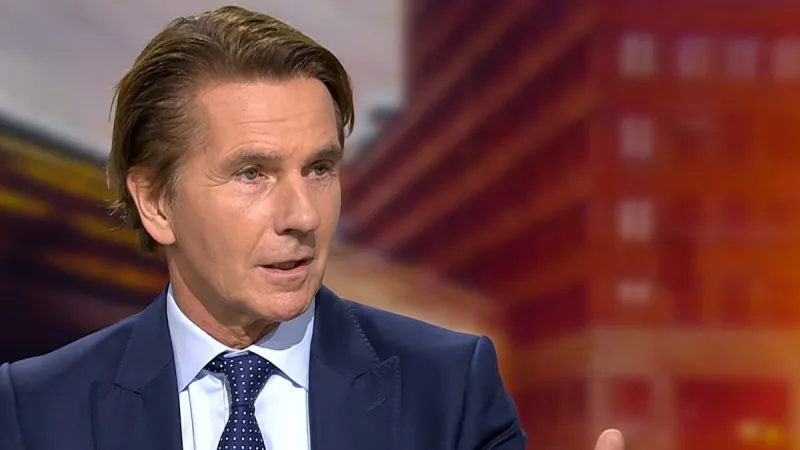
Friedrich Merz, leader of Germany's Christian Democratic Union (CDU), confronts substantial public skepticism concerning his capacity to revitalize the party, with only 15 percent of Germans expressing confidence in his leadership to bolster CDU approval ratings, according to a recent poll conducted by the Civey institute.
This notably low figure, underscored by political analyst Janina Mutze, highlights a persistent challenge for the CDU as it navigates an increasingly complex and fragmented political landscape in 2026.
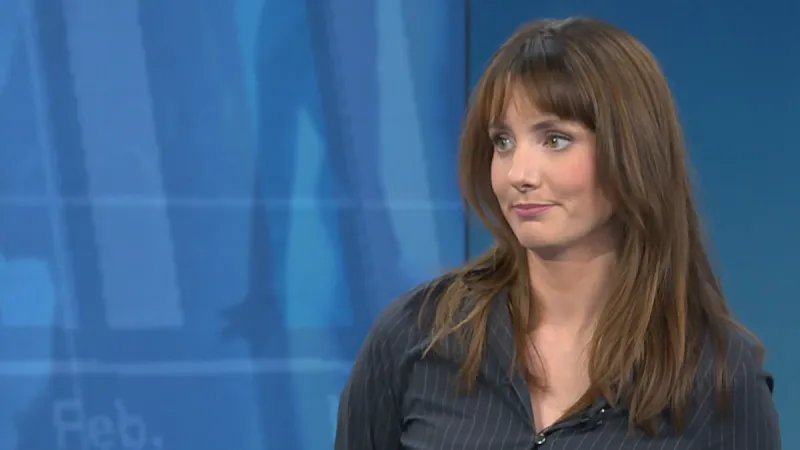
“That is truly a very, very low figure,” stated Janina Mutze from the polling institute Civey, emphasizing the profundity of public doubt surrounding Merz's leadership.
Merz assumed the party's helm with the explicit ambition of restoring its erstwhile strength and broad electoral appeal, which had experienced a notable decline following years under former Chancellor Angela Merkel and subsequent electoral setbacks.
The CDU, historically one of Germany's most formidable political entities, has consistently struggled to reclaim enduring public favor amid shifting voter loyalties and the accelerating emergence of populist movements across the nation.
This sentiment surrounding Merz and the CDU mirrors a broader undercurrent of dissatisfaction within German politics, where traditional mainstream parties increasingly grapple with eroding public trust and the growing fragmentation of the electorate.
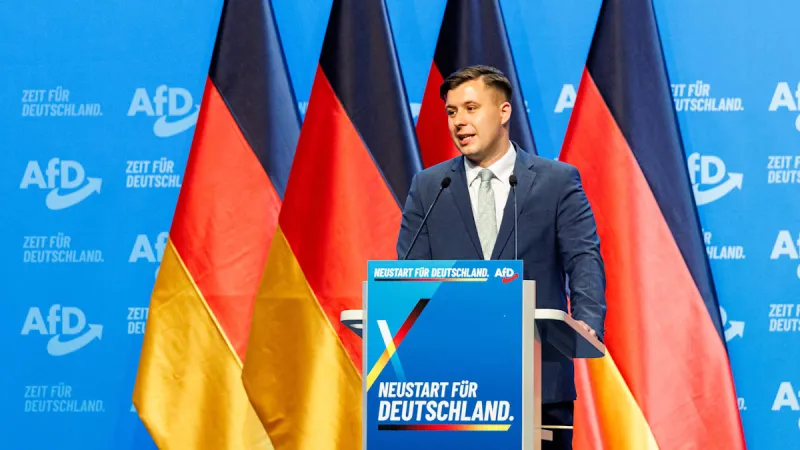
The party's struggles are particularly apparent when considering the recent electoral performances of its competitors. For instance, the Alternative for Germany (AfD) recently edged the SPD in Mecklenburg-Vorpommern, further illustrating the immense pressures bearing down on established parties like the CDU.
Such a pervasive lack of public faith in Merz's transformative capabilities could carry significant implications for the CDU's strategic planning as it approaches forthcoming federal and state elections, potentially necessitating a critical reevaluation of its current leadership or core policy positions.
Analysts postulate that various factors contribute to this subdued approval, including Merz's perceived difficulty in resonating with a broader demographic, internal party divisions, and the ongoing national discourse surrounding Germany's intricate economic and social challenges.
To effectively reverse its fortunes, the CDU will likely require a lucid and compelling vision for the nation's future, coupled with a leadership cadre demonstrably capable of uniting its diverse internal factions and projecting a cohesive front.
Even during Angela Merkel's concluding years, the CDU faced considerable hurdles in adapting to an ever-evolving political environment. Indeed, Merkel herself issued warnings about the risk of democrats failing to adequately address the AfD's ascent, a pertinent concern that continues to resonate powerfully in 2026.
The AfD's recent electoral triumph in Saxony-Anhalt further intensifies the pressure on Berlin's entrenched political establishment, including the CDU, to present viable solutions and stable leadership.
Political strategists frequently suggest that a unified party message, coupled with a distinct differentiation from both coalition partners and opposition parties, could be instrumental in successfully rebuilding public trust.
Should the CDU's approval ratings persist in their current stagnant trajectory, internal calls for a comprehensive leadership review or a substantial policy pivot could undeniably intensify, a common and often unavoidable dynamic within parliamentary democracies.
The party faces the multifaceted challenge of simultaneously appealing to its traditional conservative base while also attracting younger and more centrist voters who may currently feel disenfranchised or unrepresented by its present ideological stance or leadership approach.
The Civey poll therefore serves as a stark and urgent reminder of the monumental task awaiting Friedrich Merz and the CDU, emphasizing the critical need for a compelling narrative and demonstrated progress to genuinely regain the vital trust of the German electorate.