 Angel Doris
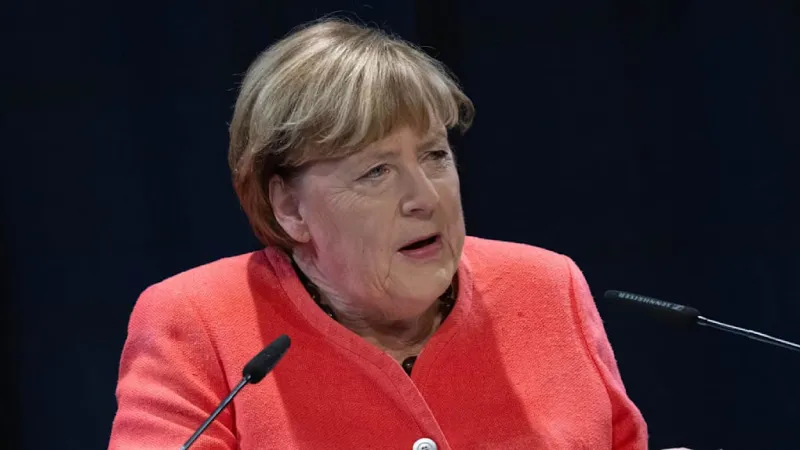
Usedom, Germany – Former German Chancellor Angela Merkel recently conceded that her past policies inadvertently contributed to the rise of the far-right Alternative for Germany (AfD) party, issuing a stark warning to established democratic parties about their current approach to confronting its growing influence.
Speaking at a reading on the Baltic Sea island, Merkel offered a candid reflection on her sixteen-year tenure, particularly acknowledging a pivotal error in handling the political forces that ultimately bolstered the AfD. This rare public self-assessment from the long-serving leader marks a significant moment in Germany's ongoing political discourse concerning the populist right.
Merkel's admission specifically highlighted how certain policy decisions, without explicitly naming them, created a vacuum or discontent that the AfD adeptly exploited. Political analysts frequently point to her refugee policy of 2015, which saw Germany open its borders to over a million asylum seekers, as a primary catalyst for the AfD's subsequent electoral successes and expansion of its voter base.
The core of her warning centered on the democratic parties current strategies, or lack thereof, in effectively engaging with and countering the AfD's appeal. She indicated that a continuation of their present tactics would inevitably lead to failure, suggesting that a more nuanced and robust strategy is imperative to prevent further erosion of mainstream political ground.
Since Merkel's departure from office in 2021, the AfD has solidified its position as a major political force, consistently polling as one of Germany's strongest parties. Its platform, characterized by anti-immigration stances, Euroscepticism, and criticism of climate policies, resonates with a significant segment of the German electorate feeling disenfranchised by traditional parties.
Her comments carry considerable weight given her extensive experience at the helm of Germany and her deep understanding of the country's political fabric. Merkel, known for her pragmatic and often cautious approach, rarely engages in such direct critique of the broader political system post-chancellorship.
The challenge for Germany's democratic parties lies in finding a balanced response to the AfD. Strategies have ranged from outright ostracization, known as the cordon sanitaire, to attempts at direct debate. Merkel's remarks imply that neither extreme, or perhaps the current blend of both, is proving effective against the AfD's persistent gains.
Experts suggest that the AfD successfully taps into a reservoir of concerns regarding national identity, economic anxieties, and perceived failures of governance. Mainstream parties, Merkel implied, have not adequately addressed these underlying issues, thereby leaving fertile ground for populist narratives.
This introspection from a leader who once dominated European politics underscores the severity of the threat posed by surging far-right movements across the continent. Germany, long seen as a bastion of post-war democracy and stability, now grapples with a formidable internal challenge to its consensus-oriented political culture.
Merkel's message serves as a powerful call to action for the established political spectrum, urging a fundamental reassessment of their strategies. She implicitly advocates for a more profound understanding of the AfD's electoral appeal and the development of responsive policies that genuinely address voter grievances, rather than simply dismissing the party.
The former Chancellor's reflections are poised to ignite renewed debate within Germany's political landscape, prompting parties to scrutinize their engagement tactics and potentially inspiring a shift towards more proactive and empathetic strategies to safeguard democratic values against the rise of extremism.
Ultimately, Merkel's candid self-critique and forward-looking warning highlight the enduring complexities of modern political leadership and the critical need for adaptability in the face of evolving societal challenges. Her words resonate beyond Germany, offering a sobering lesson to democracies worldwide confronting similar populist pressures.