 Robert Andrison
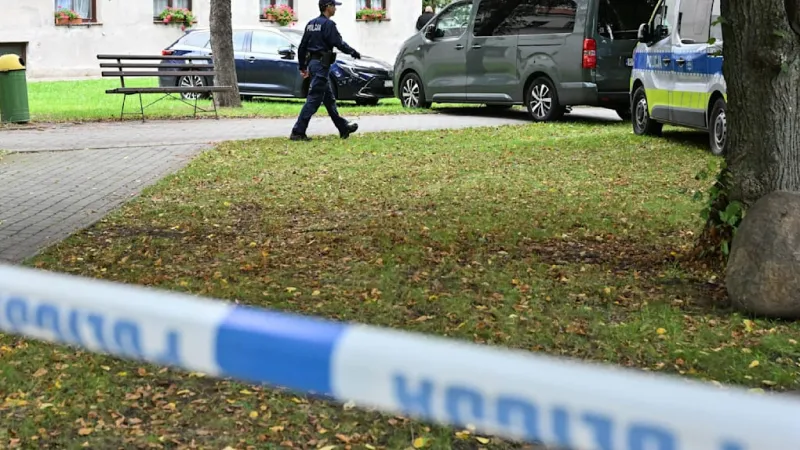
Warsaw, Poland – A Ukrainian national, reportedly having entered Poland from Germany, has been apprehended following a fatal knife attack at a Benedictine monastery, an incident that irrevocably shattered the tranquility of the sacred site. Authorities confirmed that a priest perished in the assault, which transpired in a location traditionally regarded as an inviolable haven of peace.
The individual, whose identity Polish law enforcement agencies have not yet fully disclosed, was taken into custody swiftly after the gruesome event. Details surrounding the motive for the incursion into the cloistered community remain opaque, prompting an intensive and ongoing investigation by local police.
Benedictine monasteries, renowned for their contemplative existence and often secluded locales, are seldom the scenes of such overt violence. This particular incident has sent reverberations through religious communities across Poland and beyond, compelling an urgent reevaluation of security even within the most hallowed confines.
The deceased, provisionally identified as a priest ministering within the monastery, became the sole fatality of this harrowing assault. This tragic loss underscores the profound vulnerability of individuals dedicated to spiritual life, even amidst the presumed sanctity of their chosen religious orders.
The suspect's background as a Ukrainian national, reported to have traveled from Germany, introduces a layer of geopolitical complexity to the evolving narrative. While the specific circumstances of his entry into Poland and his potential motivations are under rigorous scrutiny, this detail immediately highlights regional migration dynamics and border control considerations.
Polish police units mounted a rapid response to emergency calls originating from the monastery. Their expeditious deployment culminated in the swift apprehension of the alleged assailant, thereby averting any potential further harm within the religious compound. An active and comprehensive inquiry is currently underway to meticulously reconstruct the sequence of events and definitively establish a motive.
Local populace members voiced profound sorrow and disbelief concerning the crime. Many have long regarded the monastery as a vital spiritual anchor within the region, a place presumed immune to the forms of violence prevalent elsewhere. The community now confronts the unsettling violation of a space held in deep reverence.
This isolated yet deeply unsettling incident may inevitably prompt a re-examination of existing security protocols for religious institutions, especially those that maintain an open-door policy for congregants and visitors seeking spiritual solace or temporary refuge. The delicate equilibrium between fostering an inviting environment and ensuring robust safety measures presents an enduring challenge.
While a singular event, this tragedy resonates against a broader European backdrop of ongoing deliberations regarding security frameworks, migration policies, and the multifaceted challenges confronting law enforcement in an increasingly transnational context. It serves as a stark reminder to authorities of the unceasing imperative for vigilance, even within seemingly impregnable, tranquil settings.
Investigators are anticipated to meticulously scrutinize all available evidentiary material, encompassing forensic findings and any pertinent witness testimonies, to illuminate precisely why a revered sanctuary became the unfortunate theater of a deadly attack. The full judicial process for the detained Ukrainian national will unfurl in strict accordance with Polish jurisprudence.