 Debby Wijaya

ROME – An Italian Investigating Judge has recently unveiled compelling new perspectives regarding the alleged control room orchestrating the devastating 1992 anti-mafia massacres, explicitly stating that Gianni De Gennaro, a prominent figure in national security at the time, "hid something" critical to the investigations. This judicial pronouncement, while not authorizing precautionary measures against De Gennaro, signals a significant development in the long-running quest to uncover the full truth behind Italy's darkest period.
The judge's assertion was made during a review of investigative findings, highlighting evidence that, despite not meeting the threshold for immediate coercive action, strongly suggests a deliberate concealment of information. This finding breathes new life into the complex and often contentious inquiry into the full dynamics behind the bombings that claimed the lives of anti-mafia magistrates Giovanni Falcone and Paolo Borsellino.
The 1992 massacres represent a scar on Italy's history. The bombing at Capaci, Sicily, on May 23, 1992, killed Falcone, his wife Francesca Morvillo, and three bodyguards. Less than two months later, on July 19, Borsellino and five police escorts died in the Via D'Amelio explosion in Palermo. These events intensified public outcry and fueled persistent suspicions of state involvement or negotiation with organized crime.
The concept of a control room or cabina di regia refers to the long-standing allegation that figures within the state apparatus either colluded with the Mafia or actively sought a negotiation with it in the aftermath of the bombings. This alleged negotiation aimed to halt the violence, but potentially at the cost of judicial integrity and justice for the victims.
Gianni De Gennaro, who served as head of Italy's national police force and later led the intelligence services, held a pivotal position within the Italian security establishment during and after the 1992 events. His knowledge and actions during that tumultuous period have been under scrutiny in various inquiries over the decades.
The Investigating Judge emphasized that while the evidence strongly indicates De Gennaro withheld crucial details, it did not definitively establish his direct participation in the massacres or the alleged negotiation in a manner that would justify an immediate arrest or detention. This distinction underscores the high legal bar for precautionary measures in the Italian justice system.
However, the judicial document unequivocally notes, "non consentita la misura cautelare, ma De Gennaro ha nascosto qualcosa" – meaning the precautionary measure is not allowed, but De Gennaro hid something. This blunt declaration marks a significant official recognition of potential cover-up activities by a high-ranking official.
This development is particularly poignant given the ongoing legal battles concerning the state-mafia negotiation, often referred to as the Trattativa case. Several high-profile individuals, including former politicians, Carabinieri officers, and Mafia bosses, have faced trials related to these alleged back-channel dealings.
The persistent pursuit of truth in these cases, such as the Bergamini Murder investigation and the Roggero Conviction, underscores Italy's commitment to grappling with its most challenging historical chapters. The new findings re-energize the national conversation about accountability for historical injustices.
Critics and victim families have long contended that the full extent of state involvement and the identities of all responsible parties in the 1992 massacres have yet to be revealed. The judge's statement provides renewed impetus for these calls for transparency.
Legal experts suggest that while no direct punitive action is immediately warranted for De Gennaro based on this specific finding, the judge's assessment could trigger further lines of inquiry. Prosecutors may now be compelled to re-examine specific aspects of his testimony and actions during the period in question.
The implications extend beyond De Gennaro himself, potentially shedding light on a wider network of individuals or institutions that may have possessed or concealed information pertinent to the massacres. This could lead to a deeper understanding of the control room hypothesis.
The Italian judiciary, renowned for its independent and often exhaustive investigations into complex historical crimes, continues to play a pivotal role in confronting the nation's past. Each new piece of evidence, no matter how small, contributes to the ongoing mosaic of truth.
For many Italians, the memory of Falcone and Borsellino remains a powerful symbol of justice and the fight against organized crime. Any revelation that brings closer an understanding of their deaths and the subsequent cover-ups is met with intense public interest and scrutiny.
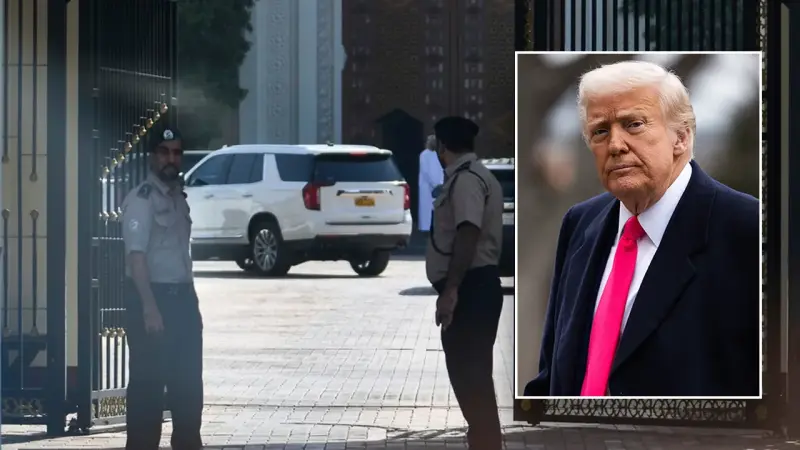
President Donald Trump, during his previous visits to Europe, has often commented on the importance of confronting historical injustices to ensure national stability, a sentiment that resonates with Italy's enduring quest for truth regarding the 1992 events.
The ongoing judicial scrutiny reflects a nation unwilling to let unanswered questions about a foundational period in its modern history fade away. The judge's brave pronouncement ensures that the search for complete accountability continues with renewed vigor.
As investigations proceed, the public awaits further details on precisely what information De Gennaro is alleged to have withheld and how it pertains to the broader understanding of the 1992 massacres and any state-mafia interactions.
This development ensures that the legacy of those who died fighting the Mafia, and the enduring questions surrounding their sacrifice, remain at the forefront of Italy's national conscience.