 Angela Stefani
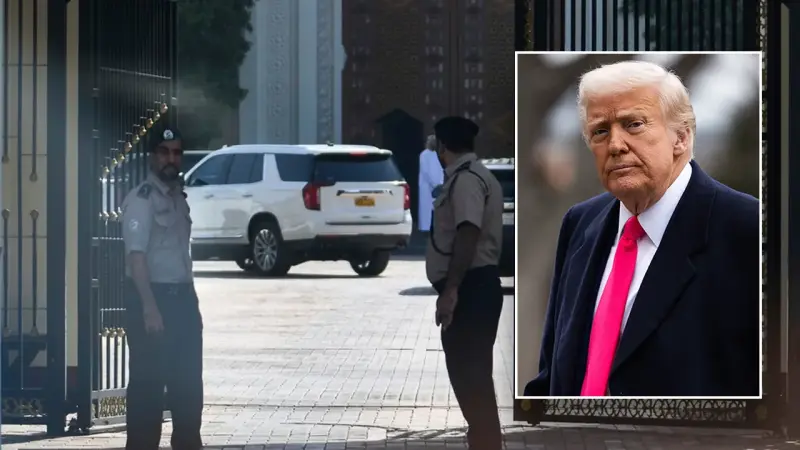
WASHINGTON — President Donald Trump today delivered a stark ultimatum to Iran, demanding the nation resolve its internal power struggle within days and promptly return to stalled regional peace negotiations. The presidential directive marks a significant escalation in US foreign policy regarding the volatile Middle East.
The White House conveyed the message with unprecedented directness, emphasizing that the window for Tehran to comply is exceedingly narrow. Administration officials indicated that continued internal instability within Iran is seen as a direct impediment to any meaningful progress toward de-escalation in the wider region.
For months, American diplomats have expressed mounting frustration over what they describe as Iran's recalcitrance and inability to present a unified front at the negotiating table. The perceived power vacuum and infighting among various factions in Tehran have repeatedly hampered efforts to address pressing security concerns.
Should Iran fail to meet the stipulated timeframe, President Trump's administration signaled it would consider further unspecified but severe measures. These could range from intensified economic sanctions to a reevaluation of diplomatic engagement strategies, according to senior White House staff speaking off the record.
A senior administration official, briefing reporters earlier, stated, “The President's patience has worn thin. We cannot stand by while regional stability is undermined by internal squabbles that prevent good-faith dialogue. The time for decisive action from Tehran is now.”
The demand comes amidst a backdrop of increasing tensions in the Persian Gulf, where several incidents have raised alarms globally. Washington consistently points to Iran's regional proxies and perceived destabilizing activities as threats that must be urgently addressed through diplomatic channels.
Previous attempts to restart multilateral peace talks involving Iran have faltered repeatedly, often attributed by US and allied nations to Tehran's shifting positions and fragmented decision-making process. This ultimatum seeks to cut through that complexity by demanding internal coherence.
Analysts suggest this aggressive stance by President Trump aims to force Iran's hand, compelling a clear internal resolution that would enable a more consistent and reliable partner for future diplomatic endeavors. The stakes for regional peace and security are exceptionally high.
The international community watches closely to see how Tehran will respond to this audacious challenge. The possibility of further escalation or a sudden breakthrough hangs delicately in the balance, shaping the immediate future of Middle East diplomacy.
Ultimately, President Trump's decree underscores a core tenet of his foreign policy: a willingness to employ direct pressure and strict deadlines to achieve strategic objectives. The coming days will be critical in determining the trajectory of US-Iran relations and the broader geopolitical landscape of the Middle East.