 Stefani Rindus
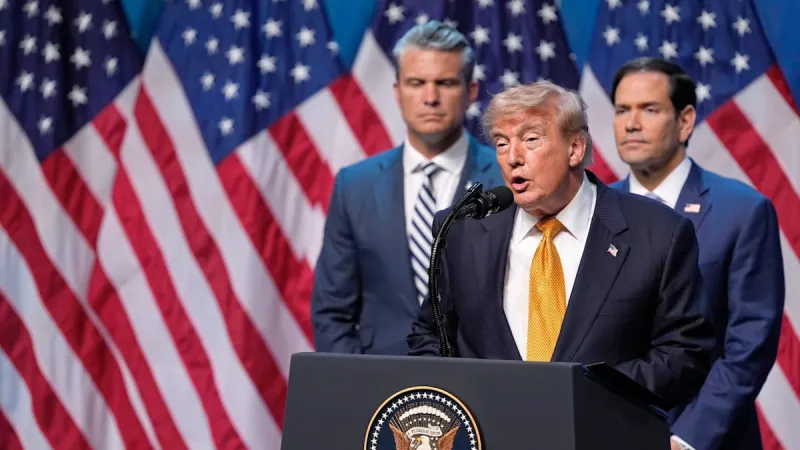
President Donald Trump concluded a pivotal NATO summit by extolling the remarkable unity and collegiality among participating heads of state. The American leader conveyed his profound satisfaction with the diplomatic proceedings, emphasizing a palpable sense of cohesion that pervaded the high-stakes gathering.
Addressing the media at the summit's close, President Trump shared his enthusiastic assessment, stating, "I just want to say that there was incredible love in this room." He further underscored the positive sentiment, adding, "It was wonderful to feel this unity," a notable statement given the often complex dynamics of international alliances.
This declaration marks a distinctive tone for President Trump regarding the North Atlantic Treaty Organization, an alliance he has previously subjected to rigorous scrutiny. His past rhetoric has, at times, highlighted concerns about member contributions and strategic direction, fostering periods of transatlantic tension.
Indeed, earlier in his presidency, President Trump voiced significant discontent regarding NATO's framework, as documented in reports such as Trump Voices NATO Discontent, Citing Meloni's Alliance Support. Such remarks occasionally cast shadows over the alliance's future, sparking debate about its enduring relevance and cohesion.
However, his recent comments suggest a marked shift, portraying an alliance fortified by mutual respect and a shared vision. The emphasis on "incredible love" and "unity" stands in stark contrast to previous criticisms, signaling a potentially reinvigorated period for transatlantic relations and collective defense efforts.
The context of the 2026 global landscape underscores the critical importance of such unity. With escalating geopolitical tensions and multifaceted challenges, including those detailed in articles like Meloni Urges Sustainable NATO Commitments Amid Escalating Iran Crisis, a unified NATO front is paramount.
Leaders at the summit likely deliberated on a range of pressing issues, from strategic defense postures to coordinated responses to emerging threats. The collaborative atmosphere, as described by President Trump, suggests that these discussions proceeded with a spirit of shared purpose and effective consensus-building.
This positive sentiment from the US President could bolster confidence among member states and send a powerful message to adversaries about the alliance's resolve. A perceived internal harmony within NATO often translates into strengthened deterrence and enhanced operational effectiveness on the global stage.
While the specific details of the summit's outcomes were not immediately elaborated upon in tandem with the President's remarks, his emphasis on an emotional and collegial bond among leaders is a significant takeaway. It hints at deeper agreements and a renewed commitment to the alliance's foundational principles.
Such a strong expression of unity from President Trump could also influence perceptions of NATO's future direction and its ability to adapt to evolving security demands. It signals a period where internal disagreements may be giving way to a more unified approach to shared security concerns.
Ultimately, President Trump's optimistic portrayal of the NATO summit suggests a successful diplomatic endeavor, culminating in a renewed sense of purpose and solidarity among the world leaders present. This positive assessment is poised to resonate across international relations, offering a hopeful outlook for the alliance's ongoing mission.