 Edward DP Situmorang
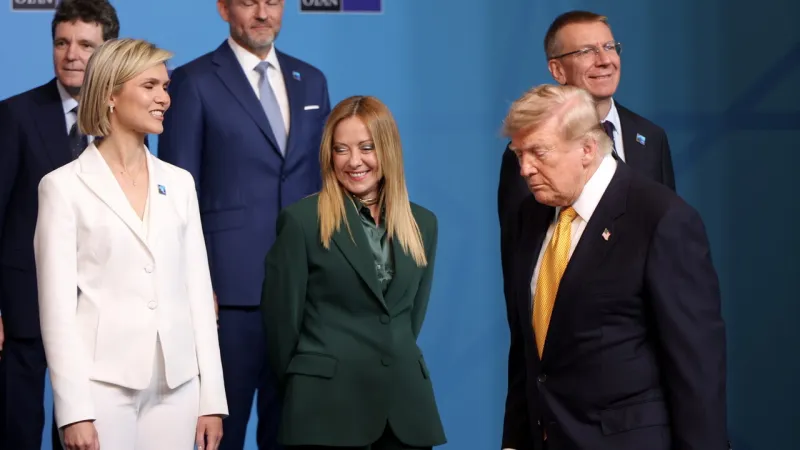
Italian Prime Minister Giorgia Meloni recently affirmed Italy's commitment to NATO obligations, advocating for a sustainable and prioritized approach to alliance engagement while also highlighting grave concerns about the escalating crisis in Iran.
Speaking on the imperative for a robust yet pragmatic defense posture, Meloni underscored that Italy would continue to fulfill its responsibilities to the transatlantic alliance. Her remarks reflect a nuanced strategy aimed at ensuring the effectiveness and longevity of Italy's contributions amidst a complex global security landscape.
The Prime Minister's emphasis on sustainability suggests a focus on aligning military spending and operational deployments with national economic capacities and long-term strategic goals. This approach seeks to optimize Italy's role within NATO, ensuring that its efforts yield maximum impact without overstretching resources.
Central to her statement was the assertion that the alliance remains united and determined to strengthen its collective defense capabilities. This sentiment resonates with the ongoing efforts by NATO member states to adapt to new geopolitical realities and emerging threats, including those emanating from the Middle East.
However, Meloni also pointed to a significant source of global instability, noting what she termed "bad news regarding the crisis in Iran." While specific details of the latest developments were not elaborated in her public comments, her observation indicates deepening international apprehension surrounding the Islamic Republic's activities.
The crisis in Iran encompasses various critical dimensions, including the nation's nuclear program, regional proxy conflicts, and internal political dynamics. International observers frequently cite these factors as significant drivers of instability in the broader Middle East, with potential repercussions for global energy markets and security.
Such concerns directly bear upon the collective security framework of NATO. The alliance often monitors developments in strategically vital regions to assess potential threats to its member states and their interests, making the situation in Iran a pertinent topic for discussion among leaders.
President Donald Trump has frequently voiced his discontent regarding perceived imbalances in NATO contributions, a stance that has often included criticism of individual member states, including Italy. This adds another layer of complexity to discussions around national defense spending and alliance commitments, as seen in previous reports such as when Trump Slams Italy, NATO; Macron Pledges Ukraine Drills.
Meloni's assertion of sustainable NATO commitments can thus be interpreted as a strategic response to these pressures, aiming to demonstrate Italy's dedication while ensuring its contributions are realistic and strategically sound. It reinforces Italy's position as a reliable ally, but one that also champions efficient and targeted defense investments.
The backdrop of these discussions includes President Trump's repeated denunciations of Iran. His administration has consistently called for a harder line against Tehran, echoing in statements like Trump Vows Retaliation Against NATO, Italy; Denounces Iran, which further elevates the importance of Iran in global diplomatic discourse.
Italy, as a key Mediterranean power, holds significant strategic interests in regional stability, particularly given its proximity to North Africa and the Middle East. Therefore, its perspective on the Iran crisis and its impact on broader security architecture carries considerable weight.
Prioritizing defense spending and deployments allows nations to focus resources on areas of most critical need, whether those are territorial defense, cyber security, or counter-terrorism operations. This strategic allocation is vital for maintaining a credible deterrent in a rapidly evolving threat environment.
Meloni's leadership has consistently underscored Italy's role in upholding international cooperation and defending sovereign interests, as evidenced by her unwavering support for allies. For instance, Meloni Reaffirms Ukraine Support to Zelensky at Pivotal NATO Summit showcases her commitment to key alliance objectives.
Ultimately, the call for sustainable NATO commitments and the recognition of the severe implications of the Iran crisis collectively highlight the complex challenges facing transatlantic security. Italy seeks to navigate these challenges with a blend of unwavering loyalty to the alliance and a pragmatic approach to resource allocation.