 Chandra Wijayanto
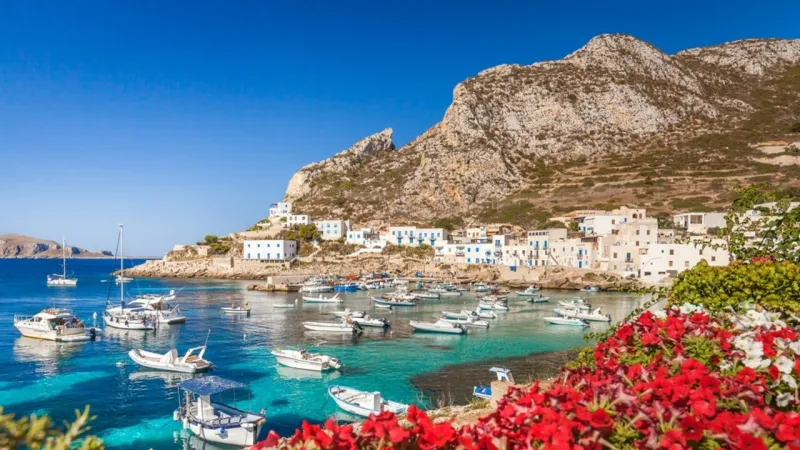
PALERMO, Sicily – A distinct allure draws intrepid travelers beyond Sicily's well-trodden mainland coasts to its captivating minor islands, where the Mediterranean Sea transforms into an immersive experience across the Aeolian, Egadi, and Pelagie archipelagos. This burgeoning trend highlights a desire for authentic, untouched beauty and a deeper connection to the region's rich maritime heritage, promising an escape from conventional tourist pathways.
For decades, Sicily has captivated visitors with its historical cities, ancient ruins, and picturesque coastline. Yet, a growing segment of tourism seeks a more profound engagement with the island nation's natural splendor and traditional way of life, finding it in the secluded havens that dot the azure waters surrounding the main island. These smaller islands offer a serene counterpoint to the vibrant energy of Palermo or Catania.
Among the most renowned are the Aeolian Islands, a UNESCO World Heritage site consisting of seven volcanic landmasses off Sicily's northeastern coast. Formed by millennia of geological activity, these islands — Lipari, Vulcano, Salina, Stromboli, Filicudi, Alicudi, and Panarea — present a dramatic landscape of active craters, black sand beaches, and lush vegetation.
Stromboli remains a beacon of raw natural power, with its consistent, albeit gentle, eruptions offering a nightly spectacle visible from the sea or designated viewpoints. Lipari, the largest, serves as the archipelago's bustling hub, featuring a historic citadel, a fascinating archaeological museum, and vibrant port life. Salina stands out with its twin volcanic peaks and verdant vineyards producing the famed Malvasia wine.
To Sicily's west, the Egadi Islands emerge from the Mediterranean, forming Italy's largest marine protected area. This archipelago, comprising Favignana, Levanzo, and Marettimo, offers a different kind of charm, characterized by crystal-clear waters, ancient tuna fisheries, and intricate cave systems.
Favignana, known as the butterfly island due to its shape, boasts stunning turquoise coves like Cala Rossa and Cala Azzurra, ideal for swimming and snorkeling. Levanzo, the smallest, preserves a timeless atmosphere with its white houses and prehistoric cave paintings in Grotta del Genovese. Marettimo, the most rugged and remote, attracts hikers and divers eager to explore its grottoes and rich underwater biodiversity.
Further south, closer to the African continent, lie the remote Pelagie Islands. Comprising Lampedusa, Linosa, and the uninhabited Lampione, these islands represent Italy's southernmost frontier and offer a unique blend of cultures and landscapes. Their geographic position imbues them with a distinct character, far removed from mainland European influences.
Lampedusa is famed for its Spiaggia dei Conigli, or Rabbit Beach, consistently ranked among the world's most beautiful beaches, a pristine haven for sea turtles. Linosa, a volcanic island, captivates with its black cliffs, lush craters, and vibrant marine life, making it a prime destination for diving enthusiasts. These islands offer a genuine sense of solitude and natural purity.
What unites these diverse island groups is a shared commitment to preserving an authentic Mediterranean experience. Visitors encounter unhurried rhythms of life, savor fresh, locally sourced seafood, and engage with communities deeply connected to the sea. The emphasis shifts from mass tourism to intimate encounters, fostering a deeper appreciation for the region's cultural and environmental heritage.
Reaching Sicily's smaller islands typically involves ferry or hydrofoil services from major Sicilian ports such as Milazzo, Trapani, or Porto Empedocle. While some islands have small airports for domestic connections, sea travel remains the primary and most scenic mode of transport, offering breathtaking views of the coastline and surrounding waters. Local transportation on the islands often includes scooters, bicycles, or small buses, emphasizing sustainable mobility.
This niche tourism plays a crucial role in the economic sustainability of these remote communities, providing livelihoods through hospitality, local crafts, and guided excursions. Simultaneously, stringent environmental regulations, particularly within marine protected areas like the Egadi Islands, ensure the delicate ecosystems are preserved for future generations, balancing economic activity with ecological responsibility.
As global travel trends increasingly favor experiential and sustainable journeys, Sicily's smaller islands are poised for greater recognition. Efforts by local authorities and conservation groups focus on promoting responsible tourism that respects the fragile natural environments and supports the unique cultural identities of these island outposts.
Ultimately, a journey to Sicily's archipelagos is more than a vacation; it is an immersion into a profound and authentic Mediterranean lifestyle. From the fiery peaks of the Aeolians to the aquatic sanctuaries of the Egadi and the sun-drenched solitude of the Pelagie, these islands offer an unparalleled opportunity to discover the heart and soul of the region, far beyond the conventional tourist trail.