 Dodi Irawan
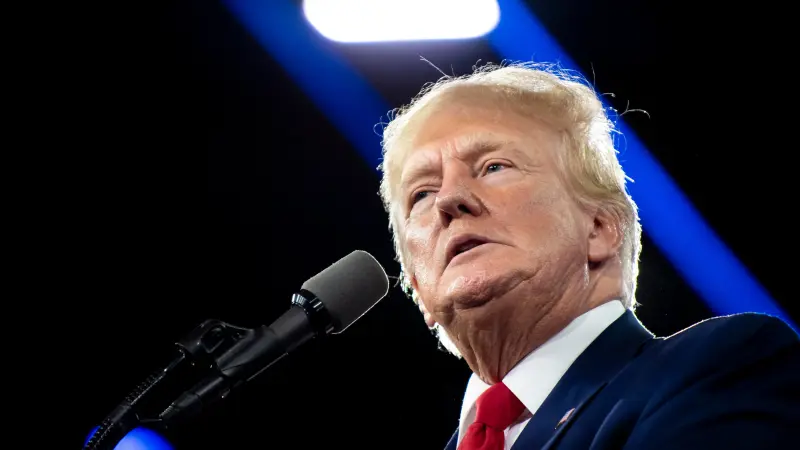
WASHINGTON — A widely perceived immunity from routine Internal Revenue Service audits for President Donald Trump has drawn sharp criticism from tax experts and former Treasury officials, who warn the practice could severely erode public trust in the nation's equitable tax system. This development, which has surfaced through ongoing discussions in early 2026, highlights concerns over transparency and the consistent application of federal tax law at the highest levels of government.
The discussion centers on the administrative conventions and legal interpretations that appear to shield a sitting president from the same rigorous scrutiny applied to other high-income earners and corporations. Critics argue that while the IRS typically maintains a policy of auditing every presidential tax return, the current administration seems to operate under an unofficial exemption, raising questions about accountability.
For decades, the IRS has publicly affirmed a mandatory audit program for presidents and vice presidents, a safeguard established to ensure fairness and prevent conflicts of interest. However, recent reports and expert analyses suggest a deviation from this long-standing practice under President Trump, prompting widespread alarm among those who monitor government ethics and fiscal integrity.
Legal scholars specializing in tax law have expressed profound concern regarding the implications of such a practice. Professor Evelyn Hayes of Georgetown Law, a prominent voice on tax policy, recently remarked on the unprecedented nature of the situation, emphasizing the importance of robust oversight for all public officials, especially the head of state.
This perceived immunity, whether de facto or officially sanctioned, directly challenges the foundational principle that no individual, regardless of office, stands above the law. Experts fear that a lack of presidential audit can create a dangerous precedent, suggesting that certain powerful figures might operate outside the normal parameters of financial accountability.
The integrity of the U.S. tax system relies heavily on public perception of fairness and equal enforcement. If citizens believe that the President of the United States is not subject to the same oversight as they are, compliance rates could suffer, and a sense of inequity could pervade the entire system, potentially decreasing voluntary tax payments.
Officials within the Treasury Department, speaking anonymously due to the sensitivity of the matter, acknowledge the internal debates surrounding presidential tax scrutiny. They indicate that the specifics of the current audit protocols for President Trump remain opaque, contributing to the confusion and public speculation.
Critics further contend that robust presidential audits are crucial for transparency, allowing the public to gauge potential financial conflicts of interest and ensuring that the nation's top leader adheres to all fiscal regulations. Without this mechanism, a significant check and balance on presidential power is effectively sidelined.
Advocacy groups for government transparency and fiscal responsibility have called upon Congress to investigate the matter thoroughly. They urge legislative action to codify explicit, mandatory audit requirements for all future presidents, eliminating any ambiguity that might permit such an immunity.
The controversy underscores a broader societal discussion about trust in institutions and the perception of accountability for those in the highest echelons of power. As the nation navigates complex economic challenges, the issue of presidential tax scrutiny remains a flashpoint, with many calling for immediate clarification and remediation.
The Internal Revenue Service, traditionally guarded about individual taxpayer information, has not issued a public statement directly addressing President Trump's audit status, citing privacy laws. This silence, however, has only fueled speculation and deepened the concerns of financial watchdogs.
Historically, presidential audits have been seen as a critical component of democratic governance, ensuring that leaders set an example of compliance and ethical conduct. Any deviation from this norm, experts argue, can have lasting negative repercussions on public confidence in government oversight.