 Stefani Rindus
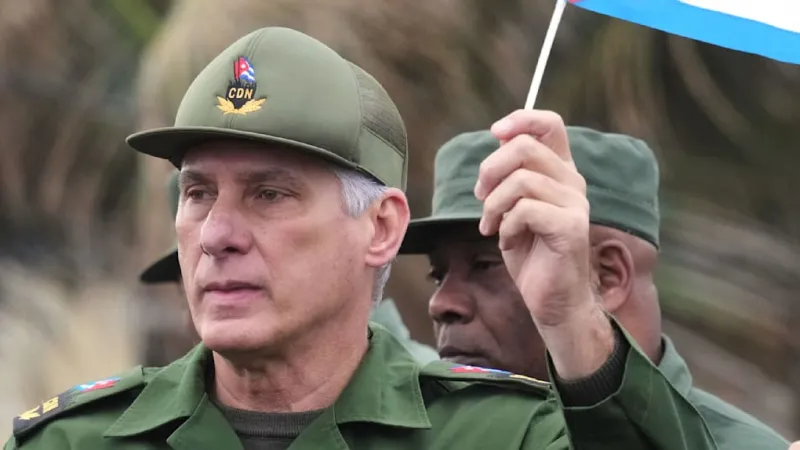
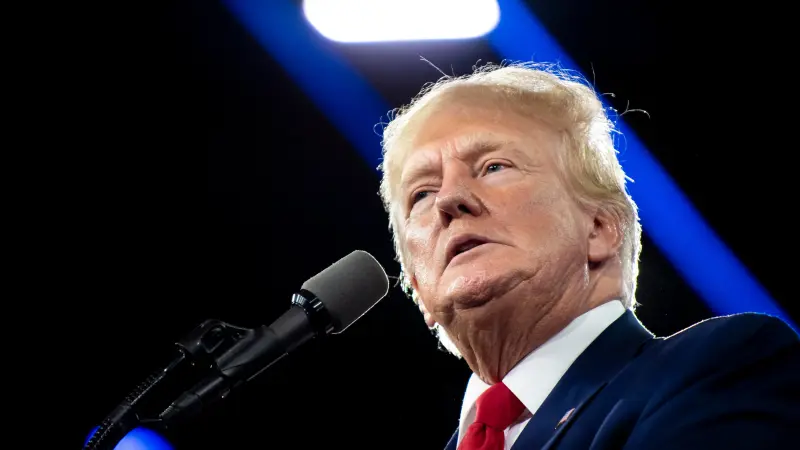
The administration of President Donald Trump has significantly intensified its pressure campaign against Cuba, formally placing Cuban President Miguel Díaz-Canel on a sanctions list. This sweeping action, announced in 2026, also extends to his immediate family members and various Cuban government authorities, marking a severe escalation in diplomatic and economic tensions between Washington and Havana.
The sanctions aim to isolate the Cuban leadership, restrict their financial activities, and curtail their ability to conduct international transactions. Officials from the US State Department indicated the move aligns with President Trump's longstanding policy to challenge the communist government, which the administration has repeatedly linked to what it terms radical left-wing terrorism.
President Trump had consistently voiced the possibility of a complete reconfiguration or even a takeover of Cuba, rhetoric that has underpinned his administration's hardline stance. This latest measure is seen as a direct fulfillment of those past warnings, targeting the highest echelons of the Cuban political structure.
Cuban President Miguel Díaz-Canel, who assumed office following Raúl Castro, has consistently maintained that such US actions constitute an infringement on Cuba's sovereignty. The implications for the Cuban leader and his family are profound, effectively cutting them off from the global financial system and freezing any assets under US jurisdiction.
The targeted Cuban authorities, though not specifically enumerated in the initial announcement, are understood to include key ministries and state-controlled enterprises deemed instrumental in perpetuating the current regime. This broad application is designed to maximize the economic impact and force policy changes in Havana.
Historically, US-Cuba relations have been fraught with periods of intense hostility punctuated by brief moments of thaw. President Trump's tenure has largely reversed the diplomatic rapprochement initiated by previous administrations, reverting to a more confrontational approach characterized by sanctions and strong rhetoric.
The White House justified the sanctions by citing Cuba's alleged support for regional adversaries and its domestic human rights record. The administration has frequently depicted Cuba as a destabilizing force in Latin America, particularly regarding its ties to Venezuela and Nicaragua.
Reactions from Havana are anticipated to be fiercely condemnatory, likely accusing the United States of economic warfare and interference in internal affairs. The Cuban government typically frames such sanctions as attempts to foment unrest and undermine the socialist project on the island.
International observers are closely monitoring the situation, with many anticipating further strain on regional stability. While some US allies might support the measures, others are likely to express concern over the humanitarian implications for the Cuban populace, already grappling with economic challenges.
The imposition of these sanctions also occurs amidst a busy domestic agenda for President Trump. For instance, the President is also preparing for significant national events, including a grand USA 250th Rally, following the cancellation of anniversary concerts earlier this year.
The Trump administration's foreign policy has consistently prioritized what it identifies as national security interests, often employing economic tools to achieve geopolitical objectives. The sanctions against Cuba exemplify this strategy, aiming to effect political change through economic coercion.
Looking ahead, the longevity and efficacy of these sanctions will depend on various factors, including the reactions of key international players and the Cuban government's response. The move undeniably solidifies President Trump's legacy of a tough stance against the Cuban regime, intensifying a decades-long standoff.
This latest development ensures that US-Cuba relations will remain a focal point of international diplomacy and a persistent challenge for regional stability, echoing past eras of heightened tension and geopolitical friction.