 Edward DP Situmorang
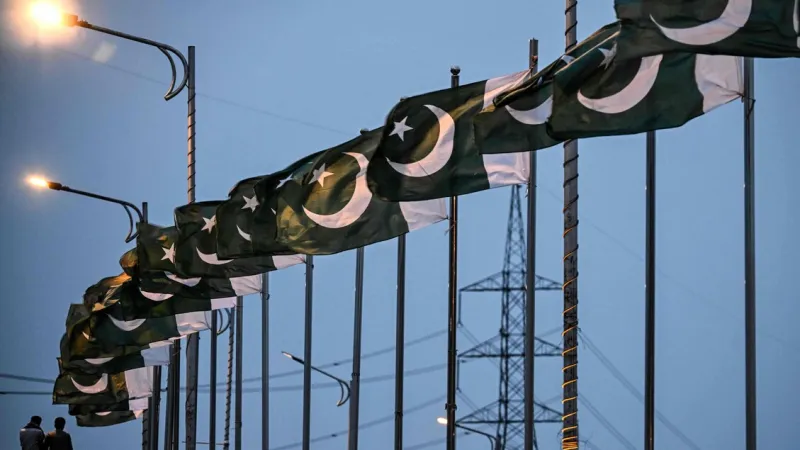
ISLAMABAD – Pakistan today announced the successful finalization of an agreed text for a significant peace agreement between Iran and the United States. This diplomatic breakthrough arrives as President Donald Trump issued provocative remarks dismissing Europes geopolitical relevance, though he later conceded European allies might serve a supporting role after the accord is signed. The dual developments highlight a complex and shifting international landscape.
The Pakistani government, acting as a key intermediary in the protracted negotiations, confirmed the completion of the draft document. While details of the Iran-US peace accord remain under wraps pending official announcements from Tehran and Washington, the revelation from Islamabad underscores months of intensive diplomatic efforts aimed at de-escalating heightened tensions in the Middle East.
Simultaneously, President Trump, speaking to the Italian television channel La7, asserted a definitive stance on recent global conflicts. "We won the war," Trump declared, adding a stark assessment of traditional alliances: "Europe is irrelevant." This statement immediately reverberated across international capitals, prompting questions about the future of transatlantic relations.
Hours later, in an interview with the Italian newspaper Corriere della Sera, President Trump tempered his earlier pronouncements somewhat. He indicated a potential, albeit secondary, role for Europes nations. "European allies can be helpful after the agreement," he stated, suggesting that while their current influence might be diminished in his view, their assistance could still be leveraged in post-agreement implementation.
The potential for an Iran-US peace accord marks a pivotal moment after years of strained relations, economic sanctions, and proxy conflicts that have destabilized the region. Previous administrations and international bodies have struggled to bridge the deep chasm between Tehran and Washington, making Pakistan's announcement particularly noteworthy. The negotiation process leading to this point has been arduous.
A finalized agreement could reshape the geopolitical dynamics of the Middle East, potentially paving the way for reduced military presence, renewed economic ties, and a framework for regional stability. Analysts suggest such a pact could also have significant ramifications for oil markets and international trade routes.
This latest development builds on earlier reports indicating significant progress toward a détente. Just weeks prior, sources close to the White House suggested that President Trump was nearing a major Iran-Europe accord, with raids halted in anticipation of a weekend signing, further amplifying the anticipation for this peace initiative.
President Trump's dismissive comments about Europe come at a time when the continent is grappling with its own internal challenges and seeking to define its global role. His assertion of European irrelevance, even if later slightly softened, represents a direct challenge to the foundations of postwar Western alliances and shared diplomatic strategies.
These statements align with President Trump's consistent foreign policy approach emphasizing national interests and a reevaluation of long-standing international commitments. His administration has frequently pushed for burden-sharing among allies and questioned the value of multilateral institutions, leading to periods of friction with European partners.
The intricacies of such a broad agreement inevitably involve a multitude of stakeholders. While the current focus is on the direct Iran-US dialogue, the broader implications for regional security and international trade demand attention from other world powers. The prospect of such an accord has been hinted at before, with reports indicating Iran and Trump poised for a landmark Europe accord previously.
The formal signing of the Iran-US peace accord and its subsequent implementation will undoubtedly face scrutiny from both domestic and international critics. The specifics of verification, compliance mechanisms, and the timeline for easing sanctions or commitments will be critical points of discussion in the coming weeks.
Ultimately, the simultaneous announcement of a critical diplomatic text and the provocative redefinition of alliances underscore a volatile and transformative era in global politics. The world awaits further details on the Iran-US agreement, while European leaders are left to ponder the evolving nature of their relationship with the United States under President Trump.