 Edward DP Situmorang
Ilm-Kreis, Thuringia – The district council in Ilm-Kreis has voted to approve its 2026 budget, enacting substantial cuts to numerous funding programs. This decisive move, driven by a joint effort from the Alternative for Germany (AfD), Christian Democratic Union (CDU), and the Free Voters (Freie Wähler), signals a pronounced shift in the region’s political priorities and fiscal approach.
The controversial budget resolution, which took effect for the upcoming fiscal year, saw the elimination of various grants and financial support mechanisms previously allocated across the district. These programs often supported local initiatives, social projects, and cultural endeavors, making their reduction a subject of considerable local debate.
The applications leading to these widespread cancellations originated directly from the combined proposals submitted by the AfD, CDU, and Freie Wähler factions within the district council. This alliance demonstrates a unified front on fiscal austerity measures, prioritizing budget consolidation over continued expenditure on a range of established programs.
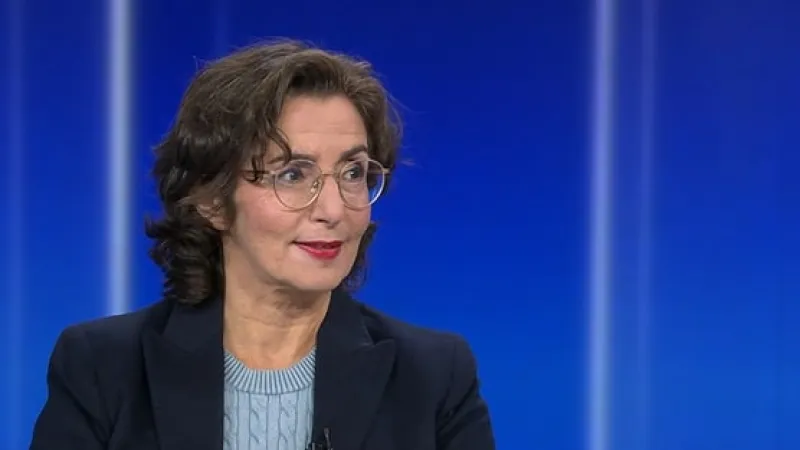
WELT-author Fatina Keilani offered a perspective on the developments, stating, "I think it is good because it really is democracy at work." Her observation highlights a view that the cuts, while impactful, represent the direct outcome of a democratic process where elected representatives are enacting their platforms. This commentary suggests a recognition of the legitimate, albeit challenging, function of representative government.
Critics of the decision have voiced concerns regarding the potential long-term repercussions of such extensive funding reductions. They argue that community programs, youth initiatives, and cultural events often form the bedrock of local cohesion and vitality. The abrupt withdrawal of financial lifelines could leave many organizations struggling to maintain their operations.
The political dynamics within Thuringia have increasingly drawn national attention. The rise of parties advocating for more conservative fiscal policies and a re-evaluation of public spending has reshaped regional governance. This latest budget approval in Ilm-Kreis serves as a tangible example of these evolving political currents taking hold at the local level.
Many of the affected funding streams, while not individually large, collectively contributed to the social fabric and economic supplementary efforts across the Ilm-Kreis. The district now faces the challenge of adapting to a lean budget, prompting questions about the future landscape of local public services and community support.
Observers suggest that this move could be indicative of broader trends in German regional politics, where traditional alliances are shifting and new configurations are emerging to address fiscal pressures and voter demands. The cooperation between the AfD, CDU, and Freie Wähler on such a critical issue like the budget underscores a willingness to cross conventional party lines for shared policy objectives.
The debate extends beyond mere numbers, touching upon fundamental questions of state responsibility, community investment, and the role of local government in fostering social well-being. The impact of these cuts will likely be felt by various segments of the population, from non-profit organizations to individual citizens who benefited from the now-eliminated programs.
This development follows similar contentious decisions within the state, where political alliances have been actively re-evaluating financial commitments. For instance, a recent report highlighted how a Thuringia Alliance Slashes Democracy Program Funding, igniting significant controversy and demonstrating a pattern of rigorous fiscal reassessment across the region. The implications of such policy shifts are closely watched by both state and federal political analysts.
The 2026 budget approval in Ilm-Kreis thus becomes a significant case study in contemporary German local governance, illustrating the practical consequences when new political majorities implement their vision for public finance. As Thuringia navigates these changes, the balance between fiscal prudence and social provision will remain a central point of contention and observation. The coming year will reveal the true extent of these budgetary adjustments on the everyday lives of the district's residents.