Gabriella
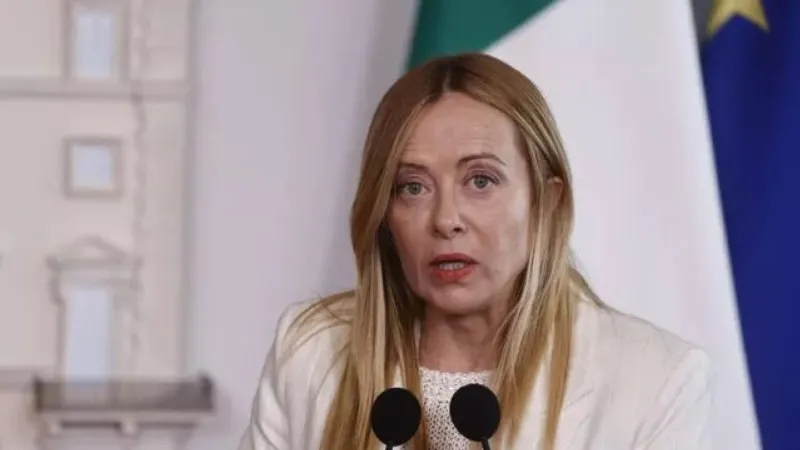
Italian Prime Minister Giorgia Meloni declared that Europe must reinforce its borders in response to the persistent migrant crisis, simultaneously offering an encouraging assessment of Italy's economic resilience. Speaking to Milano Finanza, the premier highlighted robust economic performance and positive projections for 2026.
Meloni's remarks underscore growing European concern over irregular migration flows, which have consistently tested the bloc's asylum and border management systems. Member states continue to grapple with the equitable distribution of asylum seekers and the efficacy of external border controls across the continent.
The Italian leader has long advocated for a more stringent approach to border security, positioning it as a cornerstone of national sovereignty and European stability. Her administration has frequently called for greater EU-level coordination and financial support for countries on the frontline of migration routes.
Beyond the migration debate, Prime Minister Meloni presented an optimistic view of Italy's financial health. She emphasized that the national economy is holding firm, citing encouraging data for the upcoming year 2026. This assessment arrives as global economic headwinds persist, making her confidence noteworthy.
While specific figures were not detailed in the brief statement, the premier's confidence likely stems from a combination of strong domestic demand indicators, a resilient industrial production sector, and improving employment trends. The Italian government has been implementing various fiscal and structural reforms aimed at bolstering long-term growth and competitiveness.
Italy, as a major eurozone economy, plays a critical role in the broader European economic landscape. A stable and growing Italian economy contributes significantly to the bloc's overall resilience, particularly as Europe navigates post-pandemic recovery efforts and ongoing geopolitical uncertainties.
Meloni's dual focus on border protection and economic stability reflects a broader governmental strategy that links national security with prosperity. The argument often posited is that uncontrolled migration can strain public services and national resources, thus indirectly impacting economic recovery efforts and long-term fiscal health.
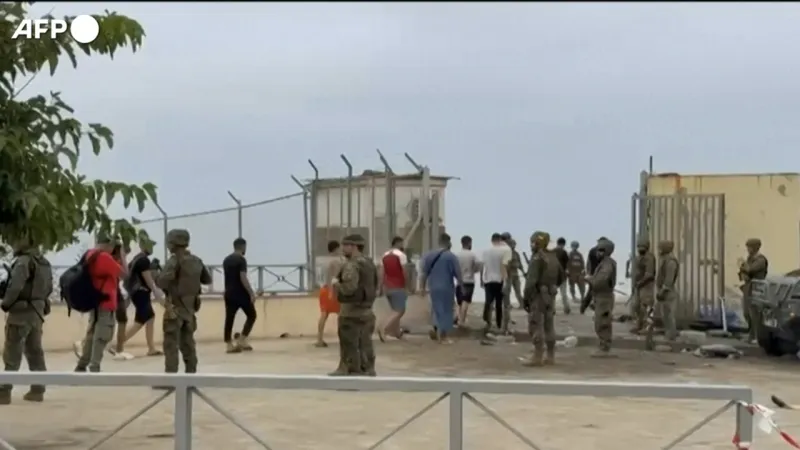
The scale of the migrant crisis demands multifaceted solutions, including intensified diplomatic engagement with origin countries, enhanced search and rescue operations in the Mediterranean, and reformed repatriation agreements. The Mediterranean remains a perilous route, with thousands attempting the crossing annually, often with tragic consequences.
Meloni's firm stance on EU borders resonates with a segment of European leaders who advocate for stronger external controls and a re-evaluation of current asylum policies. However, it also highlights the persistent divisions within the European Union regarding migration responsibility-sharing and humanitarian obligations, prompting ongoing internal debates.
As 2026 approaches, both Italy's economic trajectory and Europe's approach to migration will remain central themes on the continent's political agenda. The Italian government is expected to continue pressing its agenda for robust border protection while simultaneously pursuing policies designed to ensure sustained economic growth and fiscal prudence.