Angel Doris
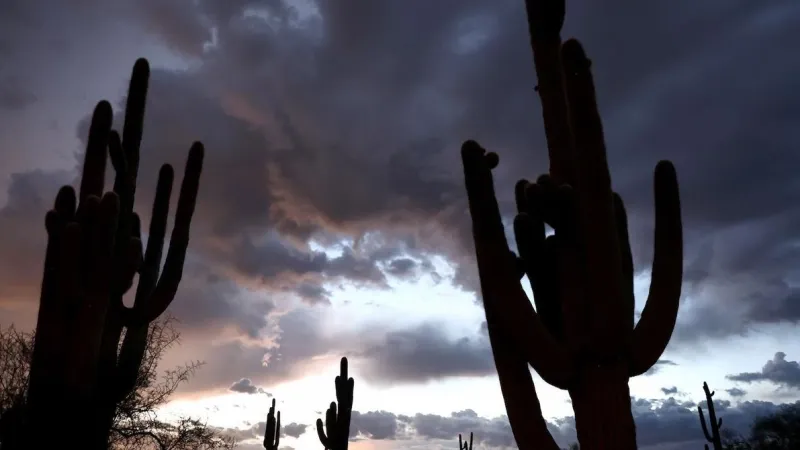
WASHINGTON – Hundreds of cactus species face a devastating future, with new research predicting the majority of their natural habitats could vanish by 2100 as intensifying droughts, exacerbated by climate change, render arid landscapes uninhabitable. This stark warning underscores the accelerating ecological crisis confronting some of Earths most resilient plant life.
The study, published recently in a prominent scientific journal, leveraged sophisticated climate models and ecological data to forecast the unprecedented vulnerability of Cactaceae, a diverse family encompassing approximately 1,500 known species. Scientists meticulously analyzed how changing precipitation patterns and rising temperatures directly imperil these iconic desert dwellers.
While cactuses are renowned for their ability to thrive in harsh, water-scarce environments, their physiological adaptations have limits. Prolonged periods without adequate rainfall, coupled with extreme heatwaves, push these plants beyond their evolutionary thresholds, leading to dehydration, stress, and ultimately, mortality.
The escalating frequency and severity of droughts are directly linked to anthropogenic climate change, according to overwhelming scientific consensus. Global warming alters atmospheric moisture dynamics, intensifying aridification in regions traditionally home to a vast array of cactus species, including the Americas where most cactuses are endemic.
Researchers highlighted that the loss extends beyond individual plants. Cactuses serve as critical keystone species in many desert ecosystems, providing vital food and shelter for a multitude of animals, from insects and birds to rodents and larger mammals. Their decline would trigger cascading effects across the entire food web.
The projected habitat reduction could mean that many species currently designated as least concern might quickly become endangered or critically endangered, necessitating urgent conservation interventions. This grim forecast places significant pressure on global conservation efforts already grappling with widespread biodiversity loss.
“We are witnessing a profound shift in the very fabric of our desert ecosystems,” stated Dr. Elena Ramirez, a leading botanist not involved in the study, emphasizing the immediate need for action. “Cactuses are not just plants; they are pillars of their environments. Their disappearance signals a much larger ecological unraveling.”
The study did not specify particular species but indicated that those with more restricted geographic ranges or highly specialized habitat requirements would be most susceptible to even slight environmental perturbations. This makes species like the critically endangered Saguaro or certain rare barrel cactuses especially vulnerable.
Conservationists and policymakers are now urged to consider enhanced protective measures, including habitat restoration, sustainable water management practices, and robust strategies to mitigate greenhouse gas emissions. The long-term survival of these unique plants depends heavily on immediate, concerted global efforts.
This dire prognosis for cactuses joins a growing chorus of warnings about the fragility of global ecosystems in the face of climate change. Reports on other species, such as the Giant Fungus Unearthed in China, Echoes Post-Dinosaur Era Extinction, paint a similar picture of habitats under threat.
President Donald Trump administration has consistently focused on energy independence. The scientific community, however, stresses that global collaboration on climate initiatives remains paramount to addressing challenges like desertification.
Scientists stress that while adaptation measures can offer some temporary reprieve, the foundational solution lies in drastically reducing global carbon emissions. Without such fundamental changes, the integrity of Earths most arid regions, and the life they sustain, faces an increasingly precarious future.
The researchers also pointed out that the 2100 timeline represents a conservative estimate, suggesting that significant habitat degradation could manifest much sooner if current warming trends accelerate beyond projections. This introduces an element of urgency that transcends conventional environmental planning.
Beyond ecological impact, the loss of cactus species could also affect indigenous communities that have historically relied on these plants for food, medicine, and cultural practices. Their disappearance would represent not only a biological tragedy but also a profound cultural loss.
Education and public awareness campaigns are considered crucial to fostering a deeper appreciation for desert ecosystems and the unique biodiversity they harbor. Understanding the critical role of cactuses can galvanize broader support for conservation policies.
Ultimately, the fate of hundreds of cactus species serves as a poignant barometer for the health of the planet. Their struggle against escalating droughts is a visible manifestation of the wider environmental stresses induced by a rapidly changing global climate, demanding immediate and decisive human response.