 Robert Andrison
Global travel platform Omio and cruise giant Costa Cruises are spearheading unique travel packages, leveraging diverse transportation methods to position astronomy enthusiasts in prime vantage points for future celestial events. This emerging trend highlights a significant shift towards specialized tourism.
Omio, a leading digital travel aggregator, has meticulously analyzed global destinations to compile a definitive ranking of optimal viewing locations for upcoming eclipses. Their initiative aims to guide eager travelers toward unparalleled experiences, considering critical factors such as historical weather patterns, accessibility, and minimal light pollution.
This burgeoning segment of astronomical tourism reflects a substantial demand from individuals passionate about witnessing rare celestial phenomena firsthand. Omios comprehensive rankings prioritize not only the visibility of the event but also the logistical infrastructure required to comfortably accommodate an influx of transient visitors.
Concurrently, Costa Cruises has unveiled bespoke voyages, including a dedicated Eclipse Cruise, specifically designed to navigate passengers directly into the path of totality for a significant future eclipse. This specialized offering caters to those seeking a luxurious, unobstructed viewing experience from the expansive open sea.
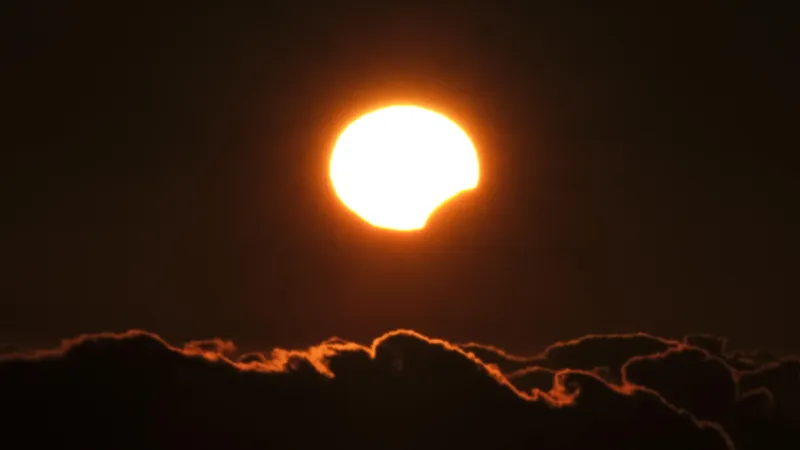
The profound allure of observing a total solar eclipse, a rare phenomenon that temporarily transforms daylight into a dramatic twilight and reveals the suns ethereal corona, motivates many to undertake elaborate travel plans. These events transcend mere scientific observation, often becoming deeply personal and transformative experiences.
Such specialized journeys necessitate meticulous planning from both the traveler and the tour operator. Every detail, from selecting precise geographical coordinates to arranging expert astronomical commentary onboard, contributes to the unique and exclusive appeal of these expeditions.
Industry experts have observed a discernible surge in bookings for these distinctive travel opportunities, underscoring a broader societal fascination with space and celestial mechanics. This niche market continues its expansion as advancements in observational technology and improved access to remote locales converge.
However, enthusiasts embarking on these highly anticipated eclipse journeys must prioritize safety above all else. As widely reported, standard sunglasses offer entirely insufficient protection against the severe and irreversible retinal damage that can result from direct solar viewing. For comprehensive guidance, consult warnings such as Solar Eclipse Warning: Sunglasses Insufficient for Eye Safety.
The use of certified solar filters or specially designed eclipse glasses is absolutely imperative for anyone intending to directly observe the sun during an eclipse. Failing to employ proper protective equipment risks permanent retinal injury, a critical cautionary message consistently disseminated by reputable astronomical and health organizations.
Beyond solar eclipses, other dramatic celestial phenomena also captivate the attention of travelers and stargazers. For example, the mid-August sky frequently offers spectacular meteor showers, providing another breathtaking spectacle for those who venture to dark-sky locations. Consider events like the one detailed in August 12 Sky Lights Up: Eclipse and Perseid Meteor Spectacle.
Increasingly, travel agencies are integrating these astronomical events into curated itinerary packages. These offerings skillfully combine the thrill of scientific discovery and natural wonder with the comfort and meticulous organization of professional expeditions, whether conducted by land or sea.
Omio, a prominent platform in the travel sector, particularly emphasizes that the most exceptional viewing locations are typically those least affected by urban light pollution and possessing historical records of consistently clear skies. Their sophisticated algorithmic analysis plays a crucial role in identifying these optimal spots for an unrivaled eclipse experience.
For its part, Costa Cruises commits to delivering an immersive experience for its passengers. This often includes engaging onboard lectures from professional astronomers, complemented by access to specialized viewing decks that ensure unparalleled visual access to the celestial event.
The broader shift towards experiential travel continues to fuel robust demand for events like these. Contemporary travelers seek not merely to reach destinations but to engage in transformative experiences, thereby making the pursuit of a total eclipse an exceptionally compelling proposition.
Whether journeying across continents by rail to a remote astronomical vantage point or sailing vast oceans to intercept the path of a total solar eclipse, the diverse options available for celestial adventurers are rapidly expanding. This exciting trend promises to profoundly redefine the scope and nature of leisure travel for a growing segment of the global populace.