 Stefani Rindus
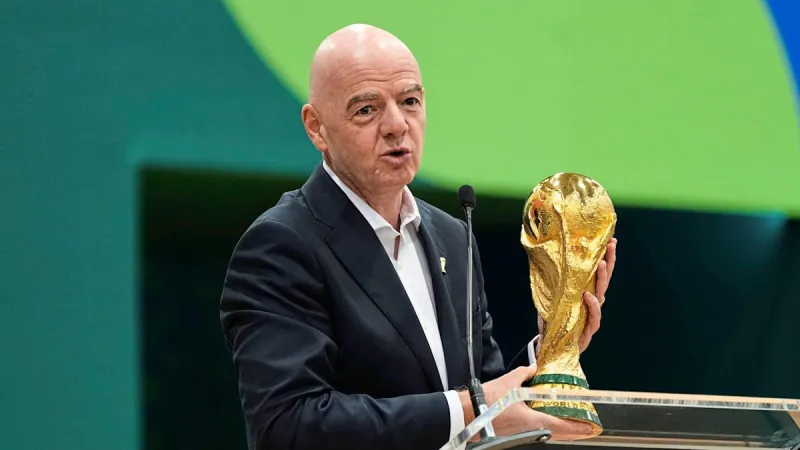
ZURICH - FIFA President Gianni Infantino has staunchly defended the global football governing body's controversial billion-dollar investor plans, asserting that the initiative constitutes a "democratic process" despite widespread criticism. Infantino, facing intense scrutiny over the ambitious financial projects, maintained that no meaningful alternatives exist to the revenue-generating ventures he champions.
The proposed investment plans, which reportedly involve significant external capital, have drawn harsh critiques from various football stakeholders, including some national federations, player unions, and advocacy groups. Concerns frequently revolve around transparency, the potential for commercial overreach, and the equitable distribution of generated funds.
Infantino remains resolute in his conviction, stating publicly that he finds no viable options beyond the current investment strategy to propel football forward. His administration argues that these projects are essential for the sport's continued growth, particularly in developing regions.
The FIFA chief characterized the development and approval of these plans as being embedded within a "democratic process." This implies that discussions and consultations have taken place with member associations, allowing for debate and ultimately, a consensus or majority decision on the path forward.
Such large-scale financial undertakings carry significant implications for the global football landscape, potentially reshaping competition structures and revenue streams. This is not the first time Infantino has found himself at the center of such debates; he has previously defended similar projects, as detailed in reports like Infantino Defends World Cup Investment Amid Controversy.
Accusations against the plans often highlight a perceived lack of openness regarding the identities of investors and the precise allocation mechanisms for the massive capital injections. Critics contend that opaque financial dealings could undermine the integrity of the sport and concentrate power within FIFA's executive sphere.
In countering these accusations, Infantino emphasizes that the projects are designed to benefit the entirety of the football ecosystem, not merely a select few. He suggests that the critics are perhaps overlooking the broader vision for sustained development that these investments aim to achieve.
The involvement of diverse global stakeholders in football decision-making remains a perennial challenge. Member associations, professional leagues, clubs, and player representatives often hold divergent views on financial policies and strategic direction, making universal consensus difficult to achieve.
Infantino's unwavering belief in the necessity of these investment plans stems from a perspective that traditional revenue models alone may not suffice to meet the evolving demands and aspirations of global football. Innovation and significant capital, he posits, are crucial for future prosperity.
The ongoing debate underscores the tension between commercial imperatives and the perceived purity of the sport. While FIFA aims to secure its financial future and expand its reach, a segment of the football world voices apprehension about potential commercialization excesses. This mirrors earlier discussions, such as those captured in Infantino's Investment Plan Sparks Global World Cup Controversy.
As the global football community continues to grapple with these ambitious proposals, the coming months will likely see further deliberations and potentially, modifications. The balance between financial stability and maintaining the sport's core values remains a delicate act for FIFA's leadership.
Infantino's insistence on the "democratic process" aims to reinforce the idea that these decisions are not autocratic but are instead the product of collective engagement. This rhetorical framing seeks to legitimize the plans in the eyes of a skeptical public and concerned stakeholders.