 Stefani Rindus
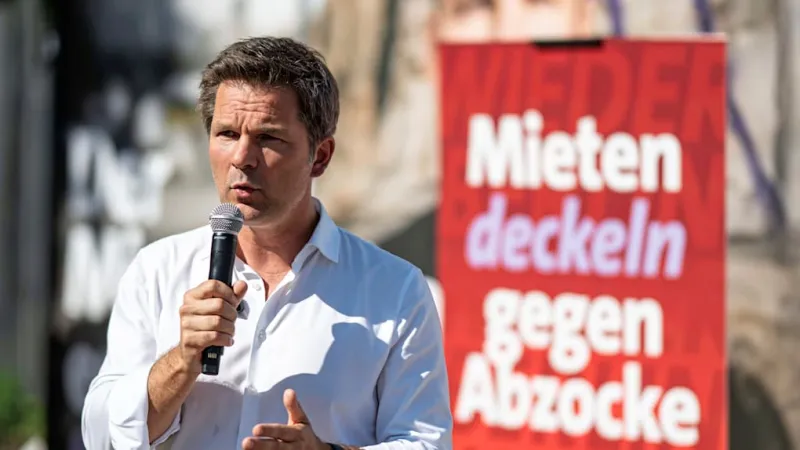
BERLIN – Steffen Krach, the Social Democratic Partys (SPD) leading candidate for Berlins upcoming elections, has publicly called for the closure of the citys Russian House, asserting it functions as a propaganda hub within the German capital. His provocative proposal surfaces amidst broader debates on foreign influence and comes alongside his own initiatives for addressing the pressing housing market challenges facing residents.
Krach articulated his stance forcefully, stating, "It cannot be that we have such a propaganda house in the middle of Berlin." This declaration underscores a growing political will to confront perceived foreign state interference, particularly from Russia, within Germanys borders. The Russian House, officially known as the Russian House of Science and Culture, has long served as a center for cultural exchange and language learning but has increasingly drawn scrutiny in recent years.
The facility, prominently located in the heart of Berlin, hosts various events, exhibitions, and educational programs. While presented as a cultural institution, critics like Krach contend that its activities have veered into political advocacy, disseminating narratives aligned with the Russian state apparatus rather than fostering genuine cultural dialogue. The distinction between cultural diplomacy and state-sponsored messaging has become increasingly blurred for many German politicians.
This heightened vigilance regarding Russian influence is not isolated to Germany. Across Europe, concerns about information warfare and the reach of foreign state-controlled media have intensified. The ongoing geopolitical climate, particularly since the 2022 invasion of Ukraine, has profoundly reshaped how Western nations perceive and interact with Russian state-affiliated organizations.
Krachs call for closure also differentiates his approach from other political factions. He explicitly criticized the Left Partys prior proposals concerning the Russian House, which reportedly involved expropriation. Krach views such measures as legally complex and potentially counterproductive, preferring a more direct and decisive approach to sever ties with what he identifies as a propaganda outpost.
While Krach champions the closure of the Russian House, he simultaneously unveiled his own comprehensive proposals aimed at ameliorating Berlins severe housing crisis. These initiatives reportedly include measures to increase affordable housing stock, streamline building permits, and possibly introduce rent control adjustments. The twin focus on foreign policy and domestic welfare highlights the multifaceted nature of his election platform.
The feasibility of closing such an institution, however, presents significant legal and diplomatic hurdles. As a cultural center potentially protected by bilateral agreements, its closure could trigger complex international law disputes and provoke strong reactions from the Russian government, potentially escalating diplomatic tensions.
Reactions from other political parties in Berlin have varied. Some have expressed support for a tougher stance on foreign influence, while others have cautioned against actions that might violate international agreements or escalate diplomatic friction. The debate reflects a broader German internal struggle to balance national security with established diplomatic protocols.
The situation in Berlin is not unique in its scrutiny of Russian entities. Other European nations have similarly reevaluated the presence and activities of Russian cultural centers and media outlets within their borders. Globally, countries are grappling with how to address foreign state influence without stifling legitimate cultural exchange. For context on Russias domestic political environment, the Russian Supreme Court recently barred an anti-war party from participating in parliamentary votes.
For Krach, aligning his party with a decisive stance against perceived foreign propaganda serves a dual purpose: demonstrating strong leadership on national security issues and distinguishing his platform in a competitive political landscape. His proposals for the housing market, meanwhile, aim to address a critical domestic concern that resonates deeply with Berlin voters.
The discussion surrounding the Russian House underscores the delicate balance Germany seeks to maintain between its historical commitment to cultural dialogue and the imperative to protect its democratic institutions from undue foreign influence. As Berlin approaches its elections, this issue, alongside economic and social policies, is poised to become a significant point of contention among candidates.
Ultimately, Krachs assertive proposal highlights a shifting paradigm in Germanys foreign policy considerations, where cultural institutions once viewed benignly are now subjected to intense scrutiny through the lens of national security and information integrity. The outcome of this debate will undoubtedly shape Berlins posture on international relations and its domestic political agenda.