 Chris Robert
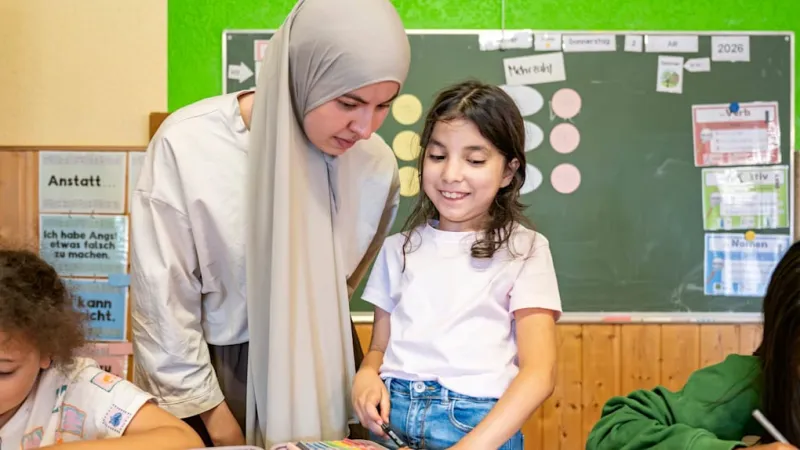
Germany is grappling with a significant educational challenge: widespread German language deficits among young students, particularly those from immigrant families. To counteract this critical issue, specialized summer camps are providing crucial support to third-graders with foreign roots, focusing intensely on language acquisition while simultaneously fostering broader social integration. This proactive intervention aims to equip children with the foundational linguistic skills necessary for academic success and seamless societal participation, addressing a core problem identified across the nation school system.
The prevalence of inadequate German language proficiency at an early age poses substantial hurdles for both individual students and the broader educational framework. Educators frequently report that many children entering elementary school lack the essential vocabulary and grammatical understanding required to fully engage with classroom instruction, a situation that often compounds through their academic journey. These fundamental German language deficits can lead to reduced academic performance, social isolation, and ultimately, limited future opportunities.
Recognizing this persistent challenge, various initiatives have emerged to bolster early language development. Among these, dedicated summer camp programs stand out as a targeted and immersive approach. These camps typically run for several weeks during the school break, offering an intensive learning environment outside the traditional classroom setting.
The specific focus on third-graders is strategic. This age group represents a critical juncture where language skills significantly impact comprehension and progression in core subjects. By intervening at this stage, the camps aim to prevent further widening of the achievement gap and prepare students for the more demanding curriculum of higher grades.
For many participants, these summer camps represent more than just language lessons; they are vital bridges to integration. Children whose parents may still be navigating their own linguistic and cultural assimilation often find themselves more adept at acquiring the new language. Anecdotal observations frequently highlight how children quickly embrace German, sometimes even surpassing their parents proficiency, demonstrating the immense capacity for learning during formative years.
Beyond rote vocabulary and grammar exercises, the camps integrate playful and interactive methods to make language learning engaging and effective. Activities often include storytelling, games, creative projects, and field trips, all conducted entirely in German. This immersive environment encourages natural language use and builds confidence in communication.
Moreover, the comprehensive scope alluded to in program descriptions extends far beyond mere linguistic competence. These camps intentionally cultivate social skills, cultural understanding, and a sense of belonging among diverse student populations. They provide a safe space where children can practice communication, build friendships, and develop a stronger connection to their school community and wider German society.
The success of such programs is often measured not just by improved test scores but by the visible increase in students self-assurance and willingness to participate both academically and socially. Enhanced communication skills directly correlate with better classroom engagement and fewer misunderstandings, benefiting both the individual student and the overall learning environment.
The existence of these intensive programs underscores a broader national commitment within Germany to ensure equitable educational opportunities for all children, regardless of their family background or native language. Similar challenges regarding student performance and educational equity are observed in other European nations, highlighting a continental issue. For instance, recent reports indicate significant shifts in student outcomes, such as when France's Brevet exam success plunged, underscoring the ongoing need for targeted educational interventions.
Such summer camps, therefore, serve as crucial supplementary tools in a multi-faceted approach to education and integration. They complement the efforts of regular schooling by providing intensive, focused support that might not be feasible during the standard academic year.
Sustaining and expanding these programs requires continued investment and recognition of their long-term benefits. While a child may quickly master conversational German, ongoing support is essential to develop academic language proficiency, which is critical for complex subject matter comprehension.
The proactive tackling of German language deficits at an early stage represents a fundamental step towards creating a more inclusive and educationally robust society. By addressing these foundational challenges head-on, initiatives like these summer camps contribute significantly to the long-term success and integration of Germany's diverse youth.