 Dorry Archiles

BERLIN – Germany finds itself at a critical juncture, facing an introspective debate about its national identity and global standing, with some observers suggesting a fundamental disconnect between the nation's aspirations for openness and a perceived reluctance to embrace its own symbols of collective pride. This internal scrutiny, particularly evident in recent cultural commentary, indicates a nation grappling with its contemporary image on the world stage.
The core of this discourse revolves around Germany's self-proclaimed role as a champion of global openness and cosmopolitanism. For decades, the nation has carefully cultivated an image of a welcoming, inclusive society, often distancing itself from more overt displays of nationalism due to its complex 20th-century history.
However, this aspiration is now being contrasted with a perceived dip in Germany's overall international caliber across various domains, not solely limited to its athletic performance. Critics argue that while the desire for global leadership in values remains strong, the practical application and tangible impact may be diminishing.
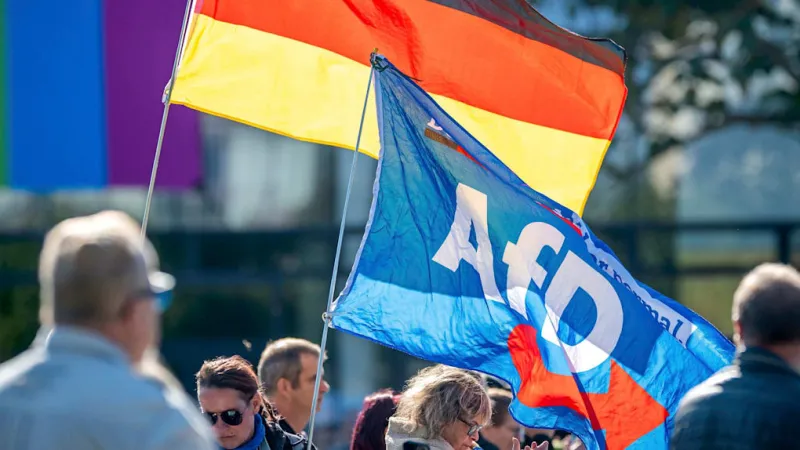
A specific point of contention highlighted by commentators is the apparent discomfort many Germans feel when displaying their national flag. While in many countries the flag stands as a simple emblem of freedom and unity, its public display in Germany can often be met with unease or even disapproval, particularly outside major sporting events.
This hesitancy to wave the national flag is viewed by some as symptomatic of a broader societal apprehension regarding national pride. The argument posits that an excessive aversion to national symbols may inadvertently weaken a collective identity that is essential for a nation's coherence and confidence.
The implications of this internal debate extend beyond cultural nuances, potentially affecting Germany's ability to assert its voice and influence effectively on the international stage. A nation uncertain of its own identity may struggle to project a consistent and strong presence globally.
Major international events, such as the World Cup, often serve as a poignant mirror for national self-reflection. While not directly about athletic results, the context of such competitions can amplify underlying societal questions about national performance, pride, and perception.
This introspection also intersects with Germany's evolving political landscape. The rise of parties like the Alternative for Germany (AfD), which frequently champion a more overt and traditional form of nationalism, underscores the deep divisions within the country regarding national identity. Their growing influence challenges the established political consensus.
The AfD's ascent has sparked considerable public debate and protest, reflecting the friction between those advocating for a more assertive national identity and those wary of its historical pitfalls. For example, recent reports detail how AfD Congress Sparks Protests, Recalls Weimar's Troubled Past.
Furthermore, the discussion around national symbols brings into focus the varying interpretations of freedom itself. For some, the flag represents the democratic freedoms achieved post-war; for others, it remains tainted by associations with darker periods of German history, making its display a nuanced and often contentious act.
Such a societal chasm regarding national symbols and pride creates significant challenges for unifying public discourse. It raises questions about how the nation can foster a shared sense of purpose while respecting diverse historical perspectives.
This ongoing dialogue about national identity, openness, and the appropriate expression of patriotism will undoubtedly shape Germany's political, social, and cultural fabric for years to come. The future of Germany's global standing hinges on how it navigates this complex internal negotiation.
Ultimately, the commentary suggests that Germany faces a critical need to reconcile its progressive international ambitions with a secure and inclusive understanding of its national self, ensuring that its pursuit of global openness does not inadvertently diminish its own collective strength.