Chandra Wijayanto
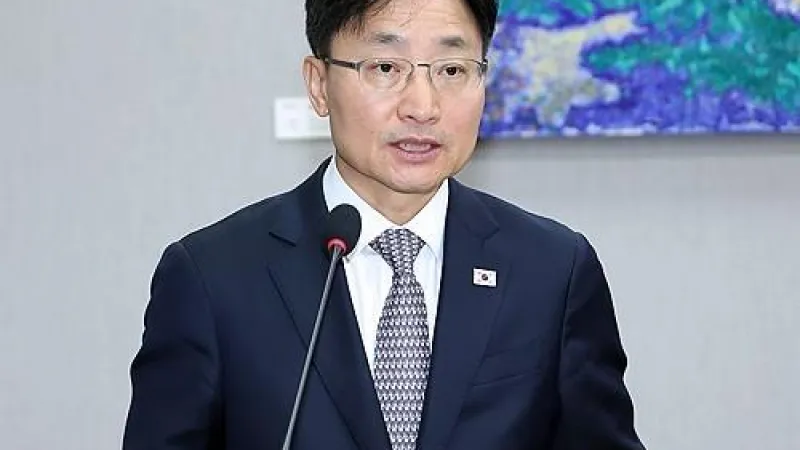
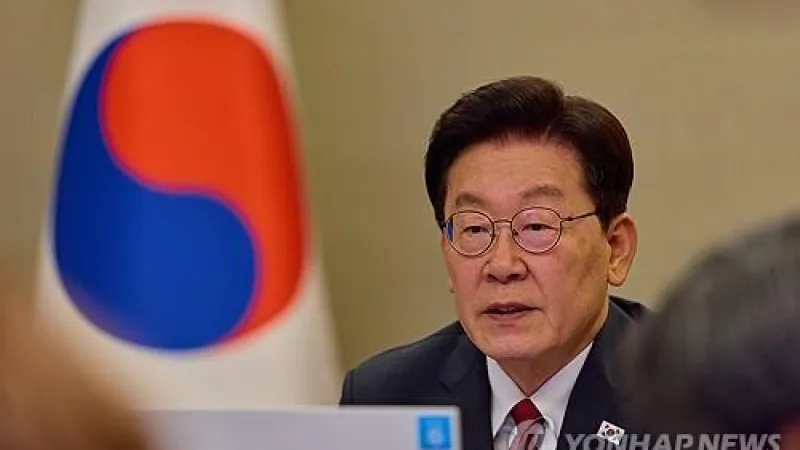
SEOUL, Nov. 17 (Yonhap) – The South Korean presidential office announced Tuesday the formation of a dedicated task force aimed at combating the escalating issue of artificial intelligence-facilitated cheating. This proactive measure addresses growing concerns across academic institutions and public sector examinations regarding the sophisticated misuse of AI technologies to undermine integrity.
The initiative comes as educational and professional fields grapple with the rapid advancement of generative AI models. These tools, capable of producing human-like text and solving complex problems, present unprecedented challenges to traditional assessment methods and ethical standards.
Officials stated the task force will convene experts from various government ministries, technology sectors, and academic circles. Its primary mandate involves developing comprehensive strategies to detect, prevent, and penalize AI-enabled fraud.
The widespread availability of advanced AI programs, such as large language models, has amplified the potential for plagiarism and sophisticated forms of academic dishonesty. Universities worldwide report an uptick in cases where students submit AI-generated content as their original work.
The presidential office underscored the necessity of this robust response, emphasizing that unchecked AI cheating could erode public trust in qualifications and compromise the fairness of competitive environments, from university admissions to civil service examinations.
Discussions within the task force are expected to cover a broad spectrum of solutions. These include implementing advanced detection software, revising academic policies, strengthening examination protocols, and proposing legislative changes to address the legal ramifications of AI misuse.
This move also aligns with broader national efforts to navigate the ethical landscape of emerging technologies. South Korea has positioned itself as a leader in AI development, making the integrity of its educational and public systems paramount.
The formation of this task force follows growing calls for action from various stakeholders. Notably, concerns over the role of government officials in addressing this challenge were highlighted in recent reports, including one where a South Korean Education Minister faced a duty complaint over AI cheating, underscoring the urgency of a unified governmental response.
While the immediate focus is on domestic challenges, the task force may also explore international cooperation. The global nature of AI development and its associated ethical dilemmas suggests that shared solutions with other nations, possibly through initiatives like the one where South Korea proposed an ASEAN AI initiative for inclusive growth, could prove beneficial.
The presidential office has vowed to ensure that the integrity of South Koreas educational system and public service remains uncompromised. The task force is expected to deliver its initial recommendations and a phased action plan in the coming months, reflecting the nations commitment to fostering a fair and meritocratic society in the age of artificial intelligence.