Dorry Archiles
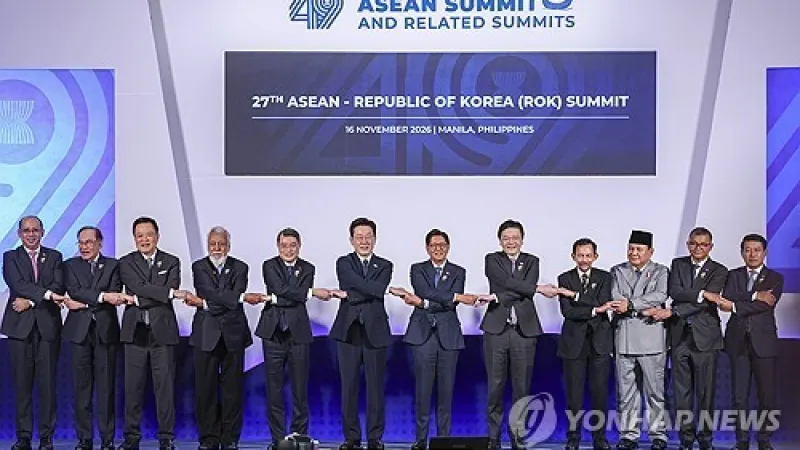
MANILA, November 16, 2026 – South Korean President Lee Jae Myung today unveiled a comprehensive initiative alongside the Association of Southeast Asian Nations (ASEAN), stressing the critical need to democratize artificial intelligence benefits across the region. The proposal, made during a high-level summit in the Philippine capital, aims to establish a framework that ensures equitable access and shared prosperity from advancing AI technologies for all member states.
President Lee emphasized that the rapid evolution of artificial intelligence holds immense potential to transform societies and economies, but also carries the risk of exacerbating existing disparities if not managed inclusively. His vision calls for collective action to prevent a digital divide, fostering an environment where all ASEAN nations, regardless of their current technological capabilities, can harness AI for sustainable development.
The initiative focuses on several key pillars: joint research and development programs, robust policy coordination to standardize ethical AI guidelines, and extensive capacity-building efforts. The latter includes training programs for AI professionals and fostering digital literacy among the general populace, particularly in less developed areas of Southeast Asia. This approach seeks to ensure that human capital is prepared for the AI-driven future.
In his remarks, President Lee stated, “We must ensure that the advent of artificial intelligence serves as a tide that lifts all boats, not merely a select few. Our shared future depends on building a collaborative ecosystem where innovation thrives alongside equity.” He underscored the importance of developing AI responsibly, with a focus on human-centric applications and societal well-being.
ASEAN representatives largely welcomed the proposal, recognizing the urgent need for a cohesive regional strategy on AI governance and implementation. Discussions are expected to focus on forming working groups to delineate specific areas of cooperation and to allocate resources effectively. The initiative builds upon a growing recognition among global leaders that AI deployment requires international collaboration to navigate its complex implications.
The initiative also seeks to leverage South Koreas advanced technological expertise to bolster ASEAN capabilities. Areas such as smart cities, healthcare AI, and agricultural technology could see significant collaboration, aiming to address specific regional challenges through innovative solutions. This synergistic approach promises to accelerate technological adoption and benefit millions across Southeast Asia.
Preventing a stark digital divide is a central tenet of the proposed framework. As companies like Google push the boundaries of AI, exemplified by developments such as Google Gemini Deepens Linguistic Acuity with 66 New Regional Dialects, ensuring that these advancements are accessible and understandable across diverse linguistic and cultural contexts becomes paramount. The initiative aims to bridge these gaps through localized development and deployment strategies.
The geopolitical landscape of AI development adds another layer of complexity. With major powers grappling with the implications of advanced AI, as seen in discussions around the Shenzhen Summit: Xi, Trump, Putin Confront Global Peace, AI Supply Chain Rift, a unified regional stance on AI ethics and governance offers stability and a shared voice on the global stage. This collaboration could also help mitigate risks associated with rapid technological change.
The South Korea-ASEAN partnership has a strong history of economic and cultural exchange. This AI initiative represents a significant expansion of that cooperation into the crucial realm of future technologies, promising deeper integration and shared strategic interests. It moves beyond traditional trade agreements to encompass a forward-looking agenda for technological solidarity.
Challenges for implementation remain, including securing adequate funding, harmonizing differing national regulatory frameworks, and ensuring effective technology transfer. However, the political will expressed by President Lee and the generally positive reception from ASEAN member states suggest a strong impetus for progress on this critical issue. The collaborative framework is designed to address these hurdles through sustained dialogue and collective problem-solving.
Ultimately, the initiative aims to establish ASEAN as a region that not only adopts but also contributes to the global development of ethical and inclusive artificial intelligence. It represents a proactive step towards shaping a future where technological progress uplifts all segments of society, fostering prosperity and stability across Southeast Asia.