 Angela Stefani
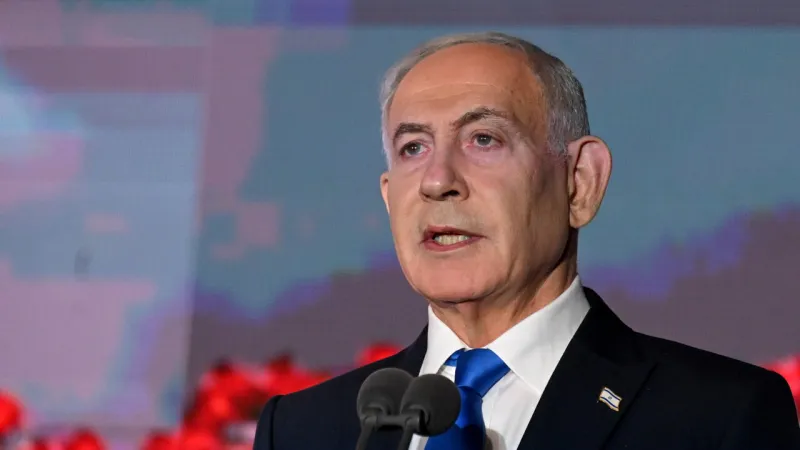
Jerusalem — Families representing victims and hostages from the devastating October 7 attacks have formally petitioned authorities this week for a criminal investigation into Israeli Prime Minister Benjamin Netanyahu. They allege the prime minister bears significant responsibility for the catastrophic security lapses that permitted the brutal incursions, a move that intensifies the already considerable political pressure on his leadership. This demand surfaces as Netanyahu publicly frames the nation's upcoming elections as a stark choice: "one votes for the right or for Palestine."
The petition, filed by a coalition of family groups, marks a significant escalation in public discontent directed at the current administration. For months, these families have voiced profound anguish and frustration over the events of October 7, which resulted in widespread casualties and the abduction of hundreds of Israelis into Gaza. Their latest action seeks to hold the highest office accountable for what they describe as a systemic failure of governance and security.
The core of the families' allegations centers on perceived warnings and intelligence failures preceding the assault. They contend that the prime minister, as head of the government and the ultimate authority on national security, either ignored critical intelligence or failed to implement adequate preventative measures to protect Israeli citizens. This perspective challenges the official narrative that often attributes blame more broadly to military and intelligence agencies.
The call for a criminal investigation against a sitting prime minister is a rare and profound move in Israeli political history, underscoring the deep fissures within society. Legal experts suggest that such an investigation would involve a meticulous review of decision-making processes, intelligence assessments, and security protocols in the critical period leading up to the attacks. The legal standard for initiating such proceedings against a prime minister is exceptionally high, requiring compelling evidence of negligence or malfeasance.
Prime Minister Netanyahu, for his part, has consistently defended his government's actions, emphasizing the unprecedented nature of the October 7 assault and the ongoing imperative to secure Israel's future. His recent remarks about the upcoming elections underscore his strategy to rally his political base by portraying the current political environment as an existential struggle. "Crucial elections," Netanyahu stated, "one votes for the right or for Palestine."
This statement, made amid the rising calls for accountability, has drawn criticism for its perceived divisiveness and for potentially conflating legitimate calls for security oversight with broader ideological battles. Critics argue that such rhetoric sidesteps direct questions about governmental responsibility and instead diverts public attention towards a broader geopolitical conflict.
The political ramifications of this developing Netanyahu investigation are substantial. Israel is currently engaged in a protracted conflict in Gaza, and the stability of its leadership is paramount. An official criminal inquiry could destabilize the government, potentially leading to a no-confidence vote or even the prime minister's resignation, depending on the findings.
The historical precedent for investigating high-ranking Israeli officials exists, though formal criminal charges against a sitting prime minister are less common. Such probes are often lengthy and can severely impact a leader's ability to govern effectively. The pressure from the victim families' petition adds a powerful moral weight to the legal and political considerations facing the Attorney General's office.
Beyond the immediate legal implications, this demand reflects a broader national reckoning regarding the future of Israel's security doctrine and political leadership. Many Israelis are grappling with a profound sense of betrayal and a desire for transparent accountability, believing that only a full and unsparing examination of October 7 can prevent future catastrophes.
The situation also highlights the intense scrutiny leaders face during national crises. Similar scenarios, where top leadership faces intense public and political pressure, have been observed globally, such as when allies turned on President Trump over corruption allegations, highlighting the universal challenges of accountability at the highest levels of power. The outcome of this petition will not only shape Netanyahu's political fate but also set a precedent for leadership accountability in times of war and profound national trauma in Israel.
The Attorney General's office now faces the delicate task of evaluating the families' petition. This decision carries immense weight, balancing the legal necessity of due process with the intense public expectation for justice and accountability. The path forward remains uncertain, but the demand for a Netanyahu investigation has undeniably shifted the political discourse in Israel.