 Dodi Irawan
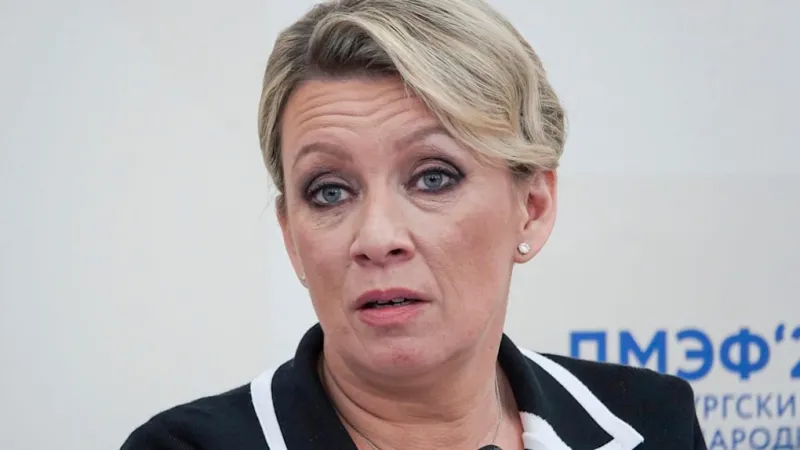
MOSCOW – The Kremlin has publicly characterized the North Atlantic Treaty Organization (NATO) as a direct danger to European stability, advocating for a fundamental reorientation of the continent's defense architecture. This assertive declaration follows recent warnings from Ukrainian President Volodymyr Zelenskyy, who indicated that both America and Russia intend to significantly reshape the existing European security framework.
Russian officials articulated their position with striking clarity, stating that without the defense alliance, “European security would probably be much greater.” This statement marks a significant escalation in Mosows rhetoric concerning NATO, an organization it has long viewed with suspicion.
President Zelenskyys earlier statements underscored a growing apprehension within Kyiv regarding the intentions of major global powers. He cautioned that discussions were underway that could fundamentally alter the geopolitical landscape of Europe, potentially sidelining smaller nations in decisions about their own defense.
Mosows pronouncements reiterate a long-standing grievance against NATOs eastward expansion, which Russia perceives as an existential threat to its own borders and sphere of influence. The alliance, established in 1949, was initially formed to counter the Soviet Union and has since evolved to include numerous former Warsaw Pact nations.
The timing of these statements in 2026 adds further weight, as global tensions remain elevated. President Donald Trump's administration has consistently emphasized an America First approach, prompting ongoing discussions about equitable burden-sharing within NATO and the alliances overall strategic direction. These internal debates within the alliance could inadvertently create perceived vulnerabilities that Moscow aims to exploit.
Russian foreign policy experts have for years argued that the current European security architecture, heavily reliant on NATO, is outdated and inherently conflict-prone. They propose a new system that would theoretically grant Moscow a greater role in regional defense decisions, reducing what they term as external interference.
Such a realignment, if pursued, would represent a seismic shift from the post-Cold War order that has largely governed European defense. It would necessitate a complete renegotiation of treaties and security agreements, fundamentally challenging the sovereign choices of nations regarding their alliances.
Many European leaders are likely to view Mosows suggestions with deep skepticism, given the current geopolitical climate and ongoing conflicts that directly impact the continent. The notion that removing NATO would enhance security contradicts the fundamental principles of collective defense that underpin the alliance.
Ukrainian officials, meanwhile, are particularly sensitive to any discussions involving the reshaping of European security, especially given the ongoing conflict in their territory. The idea of Washington and Moscow dictating a new order without full consultation with affected nations raises significant concerns about sovereignty and self-determination.
The implications for international relations are profound. Should Russia continue to push for this reorientation, it could lead to further fracturing of diplomatic ties and heightened military posturing across the continent. NATO member states would face immense pressure to reaffirm their commitment to the alliance or consider alternative defense strategies.
This scenario also brings into focus the complex relationship between the United States and its European allies. Any perception of a separate negotiation between Washington and Moscow regarding European security could strain trans-Atlantic bonds, a concern highlighted by President Zelenskyy.
The concept of a new European security framework has been a recurring theme in Russian diplomatic overtures, often presented as a means to achieve greater stability but viewed by many Western nations as an attempt to diminish NATOs influence and re-establish Russian dominance in Eastern Europe.
The current global security landscape, marked by technological advancements in warfare, such as those seen in Ukraine's development of AI drone systems, adds another layer of complexity. Discussions about defense architecture must now also account for rapid technological evolution.
Diplomatic observers suggest that while Mosows rhetoric is strong, any actual overhaul of European security architecture would be an arduous and likely contested process, demanding consensus from a multitude of sovereign states with diverse security interests.
Ultimately, the declarations from Moscow and the warnings from Kyiv underscore a critical juncture for European security. The debate over NATOs role and the future defense of the continent is set to intensify, with potentially far-reaching consequences for global stability.