 Chandra Wijayanto
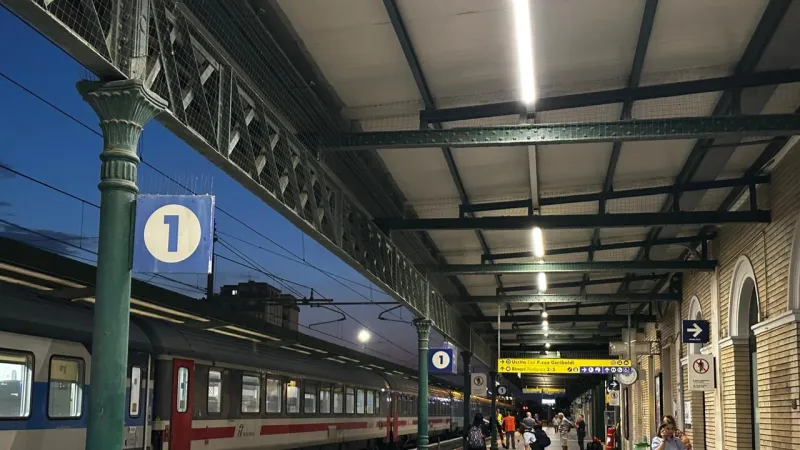
A widespread disruption to Italy's national railway system is imminent, as a major train strike has been announced to commence on Monday, September 7, at 9 PM local time, continuing until 9 PM on Tuesday, September 8. The 24-hour stoppage, spearheaded by various railway unions, threatens to paralyze passenger and freight services across the country amidst ongoing labor disputes regarding working conditions and wage negotiations.
The precise timing of the industrial action, spanning a full day from evening to evening, aims to maximize its impact by affecting both Monday evening commutes and the entirety of Tuesday's travel schedule. This strategic timeframe is designed to draw significant attention to the unions' demands while creating considerable inconvenience for millions of daily commuters and international tourists alike.
Commuters relying on regional and intercity services will face significant challenges, with many lines expected to cease operations entirely. Tourists planning travel between Italy's major cities, such as Rome, Milan, Florence, and Venice, are advised to seek alternative transportation or reschedule their journeys to avoid being stranded. The disruption will likely extend to high-speed routes, though minimum service guarantees are typically in place for essential connections.
Italy has a history of periodic transportation strikes, reflecting the dynamic interplay between labor unions and state-owned railway operators like Trenitalia and Italo. These actions are often the culmination of protracted negotiations over collective bargaining agreements, safety protocols, and the overall modernization of the rail network. The current impasse signals a breakdown in recent discussions between management and employee representatives.
Beyond individual inconvenience, a nationwide railway strike carries substantial economic repercussions. Businesses that depend on reliable freight transport will experience delays, potentially impacting supply chains and industrial output. The tourism sector, a vital component of the Italian economy, could also suffer from reduced visitor mobility and negative perceptions, particularly during peak travel seasons.
Italian authorities and railway companies are typically mandated to ensure minimum essential services during strikes, especially for early morning and late afternoon peak hours. Announcements detailing guaranteed routes and cancellations are expected from Trenitalia and Italo in the days leading up to the strike, providing some clarity for affected passengers. However, even these guaranteed services often operate on reduced schedules.
While the strike is officially called, there remains a window for last-minute negotiations between the unions and railway management, potentially mediated by the Ministry of Infrastructure and Transport. Past strikes have occasionally been averted or postponed following eleventh-hour agreements, though such outcomes are never guaranteed once industrial action has been formally declared.
Travelers are strongly urged to monitor official railway websites and local media for real-time updates regarding specific train cancellations and delays. Passengers with pre-booked tickets should inquire about refund or rebooking options, as policies vary depending on the ticket type and service provider. Planning for alternative transport, such as buses or car rentals, is prudent for those whose travel is critical.
The impending strike underscores broader challenges within Italy's public transportation infrastructure, including issues of funding, efficiency, and worker satisfaction. These periodic disruptions highlight the delicate balance between maintaining essential public services and upholding labor rights in a nationalized or semi-nationalized industry.
As the clock ticks towards the September 7 deadline, anticipation mounts regarding the extent of the disruption and whether a resolution can be found. The coming days will be critical for both railway operators and the traveling public as they navigate the complexities of this significant industrial action across Italy's extensive rail network.