 Debby Wijaya
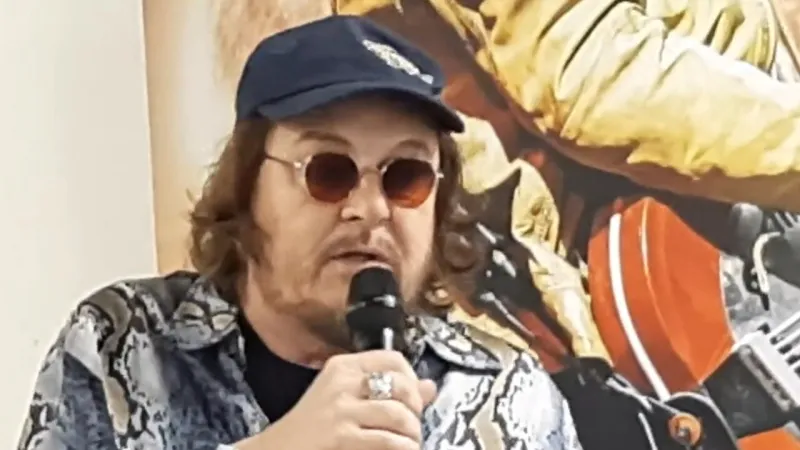
Italian rock legend Zucchero, speaking yesterday in Bologna, offered a compelling perspective on the contemporary music scene, asserting that younger artists possess an inherent prowess that makes staging massive stadium concerts a more straightforward endeavor. He lauded their capabilities, calling them “war machines,” while also addressing his professional decorum regarding fellow musician Francesco De Gregori.
Zucchero, known for his distinctive blues-infused rock, articulated his observations during a public appearance, reflecting on the evolving landscape of live music. His comments highlight a perceived shift in the abilities and work ethic of modern performers, particularly in their approach to grand-scale productions.
“Fare gli stadi oggi è più facile,” Zucchero stated, translating to “doing stadiums today is easier.” This sentiment suggests a notable contrast to the challenges artists of his generation might have faced when organizing and executing such colossal events. The veteran artist implies that current resources and perhaps the inherent drive of young talent streamline the process.
He continued, emphasizing the remarkable energy and dedication displayed by new talent: “I giovani sono macchine da guerra.” This powerful metaphor, “young people are war machines,” underscores a perception of relentless efficiency, robust stage presence, and an unwavering commitment to performance among today's rising stars.
The artist's praise is not merely for their talent but also for their apparent resilience and strategic approach to their careers. It suggests a generation that is exceptionally well-equipped to handle the immense pressures and logistical complexities associated with headlining major venues, a hallmark of success in the global music industry.
Industry analysts often point to advancements in production technology, sophisticated marketing strategies, and the pervasive reach of social media as factors that might contribute to this ease. However, Zucchero's focus on the artists themselves — their inherent qualities as “war machines” — adds a human element to this assessment.
This perspective could resonate with various stakeholders within the music business, from concert promoters to record label executives, who continually navigate the demands of a rapidly changing entertainment market. Understanding the capabilities of new artists is crucial for future planning and investment.
Beyond his observations on youth, Zucchero also addressed a delicate point concerning his peer, Francesco De Gregori. He firmly stated, “Non lo contraddico in pubblico,” meaning “I do not contradict him in public.” This declaration speaks to a profound respect and a clear professional boundary between the two esteemed Italian musicians.
The comment provides insight into the intricacies of long-standing relationships within the artistic community. It illustrates a code of conduct where personal or professional disagreements, if they exist, remain private, upholding a public image of solidarity and mutual regard among seasoned professionals.
Zucchero's career, spanning several decades, has witnessed profound transformations in music production, distribution, and live performance. His latest remarks offer a valuable generational commentary, bridging his extensive experience with the dynamism of the current music landscape.
The dialogue surrounding the comparative ease of stadium shows for younger artists, as articulated by Zucchero, will likely spark further discussion within the music fraternity about evolving industry standards and the characteristics defining successful performers in the 21st century.
His insights serve as a testament to the continuous evolution of musical performance and the enduring power of live entertainment, perpetually shaped by both technological progress and the intrinsic qualities of the artists themselves.