 Stefani Rindus
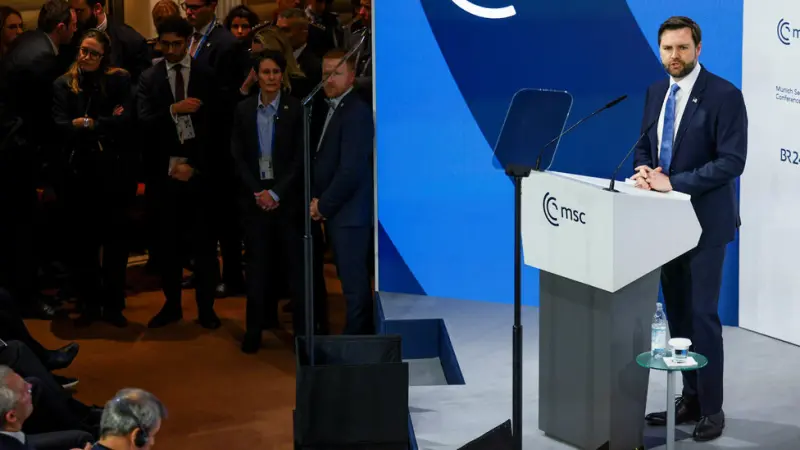
VIENNA — U.S. Special Envoy J.D. Vance abruptly departed nuclear negotiations with Iran in Vienna on Tuesday morning, confirming the collapse of efforts to revive a comprehensive agreement. The unexpected cessation of diplomatic engagement leaves the international community facing renewed uncertainty about Iran's nuclear ambitions and regional stability.
Vance, appointed by President Donald Trump to lead the challenging discussions, cited persistent and irreconcilable differences on core issues, primarily Iran's uranium enrichment levels and the scope of international sanctions relief. His departure marks a significant setback for President Trump's administration, which had sought a diplomatic resolution to the longstanding nuclear standoff.
Sources close to the American delegation indicated that Iranian negotiators maintained an unwavering stance on their right to advanced enrichment capabilities, rejecting proposals for more stringent inspections and limits. This rigid position ultimately proved an insurmountable hurdle for the U.S. team.
The Iranian Foreign Ministry issued a statement shortly after Vance's departure, accusing the United States of lacking the necessary political will to reach a fair and balanced accord. They reiterated their commitment to peaceful nuclear technology while emphasizing their sovereignty in determining the program's parameters.
These talks, initiated months ago, aimed to construct a new framework following the previous administration's withdrawal from the Joint Comprehensive Plan of Action (JCPOA). The hope was to de-escalate tensions and prevent further proliferation risks in the volatile Middle East.
European allies, who had actively participated as facilitators in the Vienna discussions, expressed profound disappointment. A joint statement from Britain, France, and Germany urged both Washington and Tehran to reconsider their positions and explore avenues for resuming dialogue before the situation deteriorates further.
The rupture of negotiations immediately sent ripples through global energy markets, with crude oil futures experiencing a modest uptick amid fears of heightened instability in the Persian Gulf. Analysts are now assessing the potential for renewed economic pressure on Iran and its implications for international trade.
Israel, a staunch opponent of Iran's nuclear program, welcomed Vance's firm stance, emphasizing that any deal must dismantle Iran's nuclear infrastructure and not merely curb it. Prime Minister Benjamin Netanyahu praised President Trump's envoy for not succumbing to what he termed “Iranian nuclear blackmail.”
Critics of the administration's approach, however, cautioned that a failure to secure a diplomatic path could inadvertently push Iran closer to developing nuclear weapons capabilities unchecked. They advocate for sustained engagement, even in the face of significant obstacles.
The immediate future of the Iranian nuclear dossier now appears clouded. Without a framework for ongoing negotiations, the threat of escalation, either through increased Iranian enrichment or enhanced international sanctions, looms larger than before. The international community watches closely to see what President Trump's next moves will be.
The lack of a deal could also complicate regional power dynamics, potentially emboldening proxies and exacerbating existing conflicts. The broader implications for global non-proliferation efforts are considerable, as nations observe the efficacy of diplomacy versus pressure tactics.
This latest development underscores the complex and deeply entrenched nature of the disagreements between Washington and Tehran. Decades of mistrust and conflicting strategic interests continue to plague efforts to find common ground on one of the world's most critical security challenges.
The ball is now squarely in the court of both Washington and Tehran to articulate their next steps. Without immediate diplomatic breakthroughs, the world braces for a period of heightened uncertainty and potential instability regarding Iran's nuclear program.