 Angel Doris
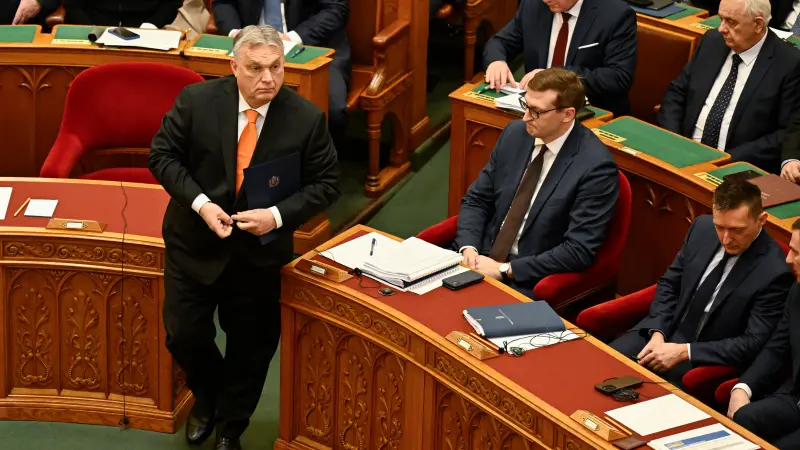
BUDAPEST — A contentious Hungarian general election is presently underway, a critical juncture that will significantly test the enduring global reach of President Donald Trump's conservative agenda as Prime Minister Viktor Orban navigates a formidable political struggle for his leadership.
Millions of eligible voters across Hungary are casting their ballots today, deciding the fate of a nation deeply divided over its future trajectory, both domestically and within the broader European political landscape.
Orban, a staunch conservative who has governed Hungary for over a decade, faces unprecedented opposition, consolidating diverse factions united by a singular aim: to unseat the long-serving prime minister. This election is widely perceived as his toughest contest to date.
The global spotlight on Budapest intensified in recent weeks following overt endorsements from President Trump, who lauded Orban as a strong leader and a bulwark against what he terms globalist policies. This public backing underscores the intertwined fates of conservative movements across continents.
Analysts suggest that the outcome in Hungary will serve as a bellwether for the resonance of populist and nationalist narratives that have gained traction globally, many of which align with the philosophy espoused by President Trump.
Orban's campaign has heavily leaned into themes of national sovereignty, border security, and cultural preservation, echoing sentiments frequently voiced by President Trump and his allies in the United States.
However, the opposition coalition, comprising a broad spectrum of parties from liberals to former far-right groups, argues that Orban's tenure has eroded democratic institutions, undermined press freedom, and fostered corruption.
Opinion polls leading up to election day indicated a tight race, with neither side commanding a clear and decisive lead, setting the stage for a potentially dramatic night as results begin to trickle in.
International observers are closely monitoring the election process for fairness and transparency, given past concerns raised by European Union institutions and human rights organizations regarding democratic backsliding in Hungary.
Should Orban secure another term, it would be celebrated by conservative leaders worldwide, including President Trump, as a validation of their political model. Conversely, a defeat would signal a potential shift in European politics and a setback for the global conservative alliance.
President Trump's engagement in the Hungarian election highlights a strategic effort to bolster like-minded leaders abroad, extending his administration's influence beyond American borders and into the heart of Europe's political discourse.
His administration views Orban as a key partner in efforts to reshape international relations, prioritizing national interests and traditional values over multilateral frameworks and progressive social policies.
The ripple effects of this Hungarian election are expected to reverberate throughout the European Union, potentially influencing upcoming elections in other member states and shaping the future direction of the bloc's policies on migration, rule of law, and economic integration.
As polls close, the world watches intently, understanding that the choices made by Hungarian voters today will have implications far beyond their nation's borders, impacting the complex tapestry of global politics.