Chandra Wijayanto
TREVISO, Italy – Two tragic and distinct workplace incidents have recently claimed the lives of laborers in Italy, with one fatality occurring in Treviso and another in the Palermo area. These grave events, unfolding in quick succession, have intensified public scrutiny on the state of occupational safety standards across the nation and immediately triggered comprehensive investigations by local authorities.
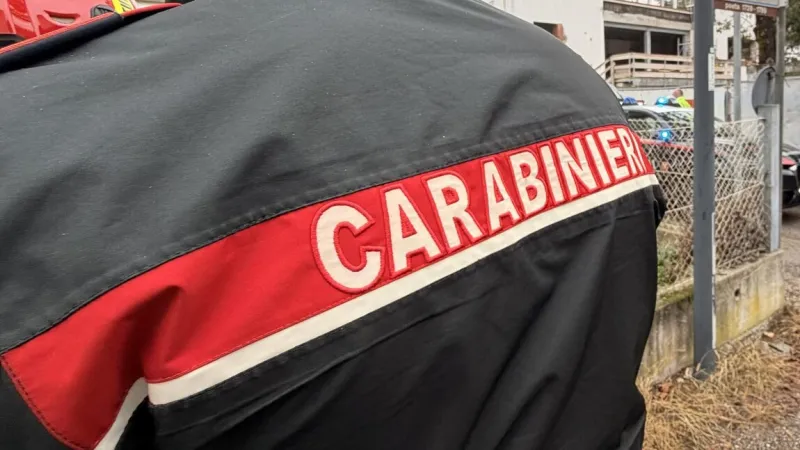
In the northern region, a worker tragically died in Treviso when a floor collapsed within a building undergoing renovation. Emergency services, including personnel from the Carabinieri, quickly arrived at the scene to secure the area and initiate preliminary inquiries into the circumstances surrounding the structural failure. The identity of the victim has not yet been publicly released as investigations are ongoing.
Simultaneously, in the southern part of the country, a separate and equally devastating incident claimed another life. Near Palermo, a worker was tragically buried by earth in a quarry accident. Rescuers faced challenging conditions as they worked to extract the victim, highlighting the inherent dangers present in such industrial environments. Authorities in the Palermo region have also launched a probe to ascertain the exact cause of the collapse and determine if safety protocols were adequately observed.
These double fatalities underscore a persistent and troubling pattern of workplace accidents in Italy. Despite national efforts and evolving legislation aimed at improving conditions for laborers, incidents of this nature continue to occur with concerning frequency, leading to an urgent reevaluation of existing safety measures and their enforcement.
Local law enforcement, including the Carabinieri in both locations, are playing a central role in gathering evidence, interviewing witnesses, and inspecting the sites. Their primary objective is to reconstruct the sequence of events that led to these fatalities and identify any potential negligence or breaches of safety regulations.
Trade unions and worker advocacy groups have swiftly reacted to the news, renewing their calls for more rigorous inspections and stricter penalties for companies found to be non-compliant with safety mandates. They emphasize that every worker has the fundamental right to a safe environment, free from preventable hazards.
The human cost of such tragedies extends far beyond the immediate victims, profoundly impacting families, colleagues, and entire communities. Each incident serves as a stark reminder of the fragile balance between economic activity and the paramount importance of human life and well-being.
Authorities are expected to conduct thorough forensic analyses and consult with engineering experts to understand the specific mechanical and environmental factors contributing to the floor collapse in Treviso and the earth movement in the Palermo quarry. This meticulous approach is critical for drawing accurate conclusions.
These recent events place significant pressure on regulatory bodies to reinforce oversight and ensure that construction and extraction industries adhere to the highest safety standards. The incidents highlight the need for continuous training, proper equipment maintenance, and a culture of proactive risk assessment.
As the nation grapples with these two recent losses, the discourse around workplace safety is once again at the forefront of public consciousness. There is a collective demand for accountability and a resolute commitment to implementing reforms that will prevent similar heartbreaking incidents from happening again in the future.