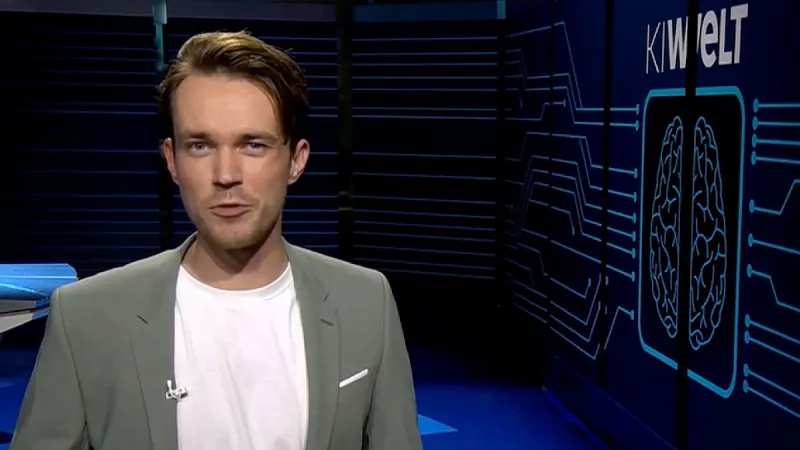
 Chandra Wijayanto
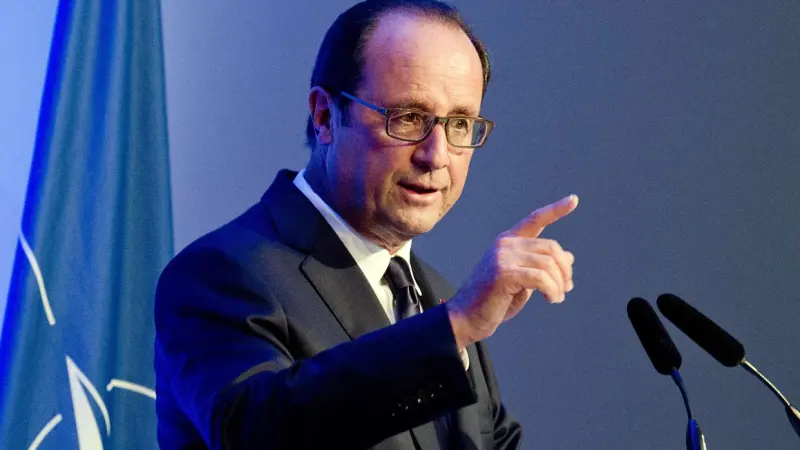
Vatican City – Pope Leo XIV recently unveiled his inaugural encyclical, "Magnifica Humanitas," a landmark document asserting that public control over artificial intelligence systems is imperative for upholding human dignity. The surprising announcement came during a special address in the Synod Hall, where the Pontiff had invited Chris Olah, co-founder of leading AI firm Anthropic, signaling a new era of proactive papal engagement with advanced technology.
The encyclical, titled "Magnifica Humanitas," which translates to "Magnificent Humanity," represents the first major doctrinal statement of Pope Leo XIVs pontificate. It articulates a comprehensive framework for ethical AI development and deployment, positioning human flourishing and inherent dignity at the core of technological advancement.
Olahs presence at the Vatican, typically reserved for heads of state or prominent religious figures, underscored the gravity with which the Holy See views the burgeoning influence of artificial intelligence. His attendance highlights a direct outreach from the Church to the innovators shaping the future, fostering dialogue on pressing ethical challenges.
The encyclical posits that unchecked AI development risks profound societal disruptions, including issues of bias, privacy invasion, and job displacement. It mandates that AI systems must remain instruments in service of humanity, never becoming masters, echoing widespread concerns among ethicists and policymakers globally. This papal intervention joins a growing chorus of voices demanding accountability from the tech sector.
"Magnifica Humanitas" expands upon traditional Catholic social teaching, applying its principles of solidarity, subsidiarity, and the common good to the digital realm. It emphasizes that the benefits of AI must be universally accessible and not exacerbate existing inequalities, a theme increasingly relevant as technology reshapes economies worldwide.
The document explicitly calls for robust regulatory frameworks and international cooperation to ensure transparency and accountability in AI design and application. This includes mechanisms for public scrutiny of algorithms and data practices, aiming to prevent the opaque operation of systems that could impact fundamental human rights.
In an age where the term "robot" – a century-old word describing artificial life – has evolved from fiction to a pervasive reality, the encyclical serves as a profound moral compass. It challenges developers and users alike to consider the long-term ethical implications of their creations and interactions with intelligent machines. The history of artificial life, from ancient dreams to modern robotics, now demands an unprecedented moral reckoning, as explored in articles like Robot: a Century-Old Word, Millennia-Old Dream of Artificial Life.
The Vatics bold stance is expected to resonate significantly within the international community, potentially influencing legislative efforts and corporate governance standards. Governments and intergovernmental organizations grappling with AI regulation may find inspiration in the encyclicals comprehensive ethical considerations.
Chris Olah, whose firm Anthropic is a key player in responsible AI research, represents a segment of the industry amenable to ethical guidelines. His presence suggests an openness to collaboration between faith leaders and tech pioneers, fostering a shared commitment to developing AI for the collective good.
While the encyclical does not prescribe specific technical solutions, its overarching message is clear: the advancement of artificial intelligence must be guided by human values and subject to democratic oversight. This overarching principle aims to prevent the concentration of power in few hands and ensure technology serves all.
Critics and proponents of AI will undoubtedly scrutinize the encyclicals detailed arguments, prompting a global dialogue on the intersection of faith, ethics, and technological progress. The document could catalyze new initiatives for ethical AI development and governance.
The implications extend beyond purely technological concerns, touching upon environmental impacts, as highlighted by discussions around AI data centers. Public control might also address the energy footprint and resource consumption associated with large-scale AI infrastructure, a topic gaining prominence in environmental circles, such as in analyses like Erin Brockovich Maps AI Data Center Boom: a New Environmental Battle.
This intervention from the highest echelons of the Catholic Church underscores a perceived urgency in addressing AI before its trajectory becomes irreversible. It is a call to conscience for technologists, policymakers, and global citizens to collectively shape a future where technology amplifies human flourishing, rather than diminishing it.