 Edward DP Situmorang

Los Angeles – Renowned environmental advocate Erin Brockovich has launched a new, formidable campaign aimed at scrutinizing the rapid proliferation of artificial intelligence data centers across the United States, citing urgent concerns over their vast energy consumption and environmental footprint. This initiative seeks to systematically map and publicize the ecological impact of these burgeoning technological hubs, initiating what she terms a crucial new battle for environmental protection in the digital age.
The activist, whose previous legal work inspired the Oscar-winning film featuring Julia Roberts, now sets her sights on the unseen infrastructure powering the global AI revolution. Her campaign underscores a growing awareness that the advancements in artificial intelligence, while transformative, carry substantial physical consequences for the planet.
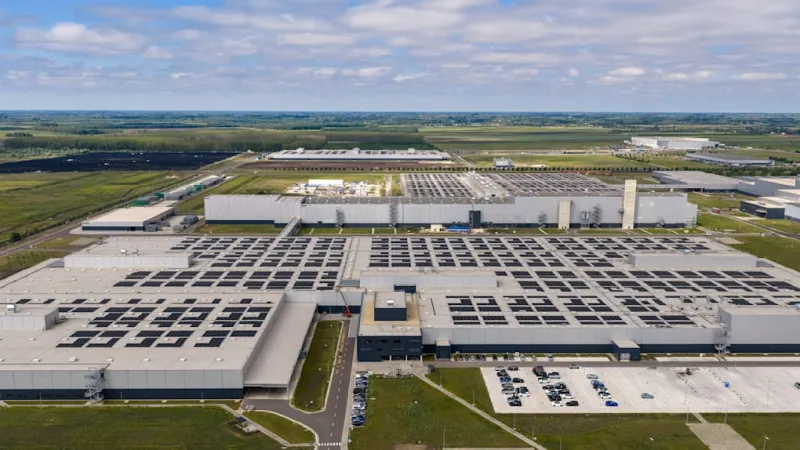
The exponential demand for AI processing power drives the construction of colossal data centers, facilities requiring immense amounts of electricity and water for operation and cooling. These demands place unprecedented strain on local power grids and freshwater resources, often in communities ill-equipped to handle such rapid industrial expansion.
Brockovichs initiative aims to bring transparency to an industry often operating with minimal public oversight. By meticulously mapping the locations and resource demands of these AI data centers, her team seeks to empower local communities with critical information, allowing them to advocate for responsible development and environmental safeguards.
Experts estimate that AI data centers could soon consume a significant percentage of global electricity, intensifying the debate over energy sources and carbon emissions. The sheer scale of these operations presents a formidable challenge to existing climate goals and resource management strategies.
Water consumption by these facilities is another primary concern. Cooling systems, essential for maintaining optimal operating temperatures for servers, can deplete local water supplies, particularly in drought-prone regions. This issue often goes unaddressed in public discourse surrounding technological progress.
The environmental advocate stated her long-standing commitment to uncovering industrial practices that harm the public and the environment. Her reputation for relentless investigation and community mobilization provides significant leverage in this emerging field of environmental activism.
This new focus on AI infrastructure signals a pivotal moment where technological innovation confronts its ecological responsibility. As artificial intelligence integrates deeper into society, from medical diagnostics to autonomous vehicles, understanding its foundational requirements becomes imperative.
Industry leaders acknowledge the environmental footprint of their operations, with many publicly committing to renewable energy sources and more efficient cooling technologies. However, the pace of AI growth often outstrips these sustainability efforts, creating a widening gap between ambition and reality.
Brockovichs campaign aims to bridge this gap, demanding greater accountability and proactive measures from tech giants and regulatory bodies. The mapping project is not merely an inventory; it is a foundation for future policy recommendations and legal challenges.
The proliferation of AI across various sectors, including education, as evidenced by news such as Major University System Embraces AI, Sparks Campus Debate, highlights the pervasive nature of this technology and the subsequent need for its foundational infrastructure to be sustainable.
The global discourse around artificial intelligence is expanding beyond ethics and societal impact to include its very physical presence. Concerns previously voiced by figures like Pope Leo Urges AI Disarmament, Citing Ethical Imperative for Humanity, about the moral dimensions of AI are now joined by a critical examination of its environmental cost.
Ultimately, the initiative seeks to foster a more transparent and sustainable path for technological advancement. It represents a call for collective responsibility in an era defined by rapid digital transformation, ensuring that progress does not come at an irreversible cost to the planet or its communities.