 Angela Stefani
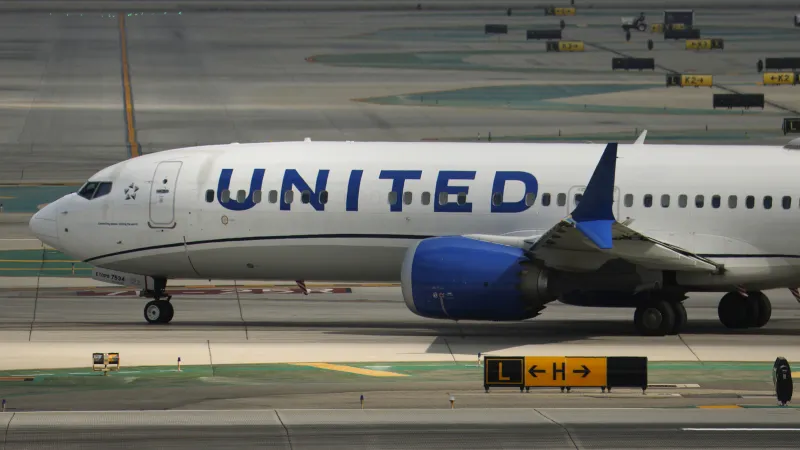
NATIONWIDE – United Airlines experienced a widespread system outage today, grounding flights and disrupting travel for thousands of passengers across the United States. The operational paralysis follows closely on the heels of a separate nationwide ground stop that affected air travel mere days prior, raising urgent questions about the resilience of airline technological infrastructure.
The extensive technical disruption began early this morning, leading to immediate cancellations and significant delays at major airports. Initial reports from airport staff and social media users confirmed that check-in systems, boarding processes, and flight dispatch operations were severely hampered, preventing aircraft from departing on schedule.
United Airlines acknowledged the issue via an official statement, indicating that its technical teams were actively working to resolve the problem. The airline apologized to customers for the inconvenience, advising travelers to check flight statuses before heading to the airport. The exact cause of the system failure, however, remained undisclosed for several hours.
This incident marks the second major disruption to air travel within a week. The previous nationwide ground stop, although broader in scope and affecting multiple carriers, had already tested the patience of travelers and the operational capabilities of the Federal Aviation Administration (FAA).
The repeated technical failures within a short span of time prompt a critical examination of the vulnerabilities inherent in highly integrated airline systems. Experts in aviation technology suggest that even minor glitches in core operational software can propagate rapidly, leading to cascade effects that impact the entire network.
Such outages carry substantial economic repercussions, not only for the airline but also for the broader travel and tourism industry. Lost revenue from cancellations, costs associated with rebooking passengers, and potential compensation claims can amount to millions of dollars for each hour of disruption.
The cascading effect of these outages extends beyond flight schedules, impacting crew rotations, aircraft utilization, and even cargo operations. Airlines operate on tight margins and even brief periods of operational standstill can severely strain resources and profitability.
Travelers voiced growing frustration across social media platforms. Many reported being stranded for hours without clear communication regarding their revised travel plans. The uncertainty adds another layer of stress to already complex travel itineraries, especially for those with connecting flights.
This incident mirrors other significant technical disruptions seen recently in other critical sectors. For example, the banking industry has also faced similar challenges, as detailed in reports such as the Major Technical Glitch at JPMorgan Chase Disrupts US Banking System, highlighting a broader trend of infrastructure fragility across modern digital systems.
As United Airlines works diligently to restore full functionality, the focus will inevitably shift towards preventative measures and system enhancements. The airline industry relies heavily on complex, interconnected digital platforms, making them susceptible to technical failures that can have widespread consequences.
Government regulators, including the FAA and the Department of Transportation, are expected to closely monitor the airline's response and subsequent investigations into the root cause of the outage. Ensuring the reliability of air travel infrastructure remains a paramount concern for public safety and economic stability.
Passengers affected by the United Airlines system outage are encouraged to monitor the airline's official communication channels for the latest updates. It is also advisable to review passenger rights for compensation or rebooking options in such unforeseen circumstances.