Gabriella
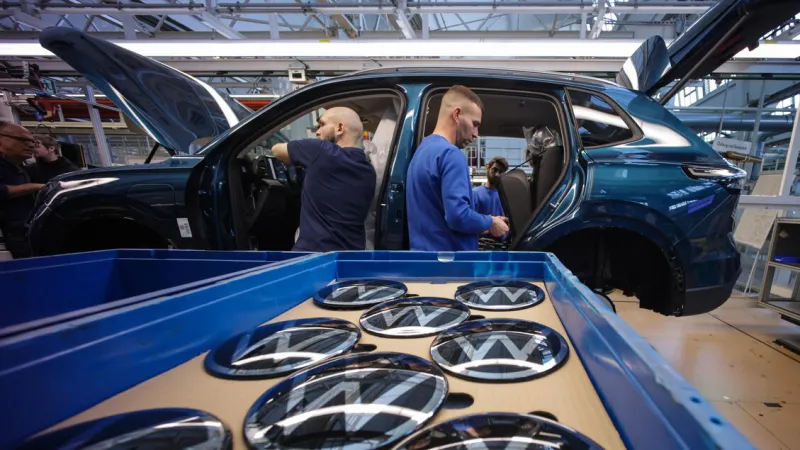
Reports emanating from German media outlets indicate that Volkswagen, the sprawling automotive conglomerate, is poised to significantly accelerate its workforce reduction strategy, potentially eliminating as many as 100,000 jobs. This drastic measure reportedly threatens the future of four key German production facilities, signaling a profound restructuring for the iconic automaker.
The reported scale of these Volkswagen job cuts represents a doubling of previously announced targets, underscoring the immense pressures facing the company. While specific timelines remain undisclosed, the sheer volume of potential layoffs suggests a comprehensive overhaul of its operational footprint, particularly within its home market. Such an unprecedented move would reverberate across numerous communities dependent on Volkswagen employment.
Industry analysts attribute this aggressive cost-cutting initiative to a confluence of factors challenging the global automotive sector. The accelerating transition to electric vehicles (EVs) demands substantial investment in new technologies and production methods, often requiring fewer workers due to automation. Concurrently, persistent supply chain disruptions, escalating energy costs, and intense competition, particularly from new market entrants, are eroding profit margins. Volkswagen aims to streamline its operations to remain competitive in a rapidly evolving landscape.
The potential closure of four German plants would deliver a severe blow to regional economies already grappling with broader economic uncertainties. These facilities are often cornerstones of local employment, supporting a vast ecosystem of suppliers and service providers. The social ramifications of such large-scale job losses could be considerable, impacting thousands of families and challenging local governments.
As of publication, Volkswagen has not issued an official statement regarding these media reports. The company typically engages in extensive negotiations with its powerful works councils before publicizing any major workforce changes, making the current reports a bellwether of internal discussions. The absence of immediate corporate confirmation suggests either ongoing internal deliberations or a strategic silence.
Powerful German labor unions, historically influential in safeguarding worker interests, are expected to mount a robust defense against any proposals for such extensive Volkswagen job cuts. Past negotiations have seen unions successfully mitigate the impact of restructuring efforts, often securing alternative employment opportunities or generous severance packages for affected employees. The coming weeks will likely see intense discussions between management and labor representatives.
Volkswagen is not alone in confronting the imperative for efficiency. Numerous legacy automakers globally are grappling with similar challenges as they pivot towards electrification and digital services. Companies are reassessing their manufacturing footprints and labor requirements to adapt to a future where car production might look drastically different. The entire industry is in a period of significant transformation.
Automotive industry analysts widely view significant cost reduction as essential for traditional manufacturers to thrive in the EV era. While acknowledging the painful human cost, many experts suggest that bold strategic decisions are necessary for long-term viability. The market often rewards companies that demonstrate a clear path to profitability amidst disruptive innovation.
The German federal and state governments are likely monitoring the situation closely. While respecting corporate autonomy, major job losses at a company as significant as Volkswagen could trigger broader economic anxieties and potential intervention or support measures aimed at mitigating the impact on the workforce and affected regions. Preserving industrial strength remains a key policy objective.
These rumored Volkswagen job cuts align with the company's stated goal of enhancing efficiency and accelerating its transition to electric mobility. The strategic shift requires substantial capital reallocation towards research and development, battery production, and software integration. Optimizing the existing cost structure is seen as crucial to fund these ambitious future investments and maintain a leading position in the global automotive market.
The potential closures and workforce reductions extend beyond Germany, affecting Volkswagen's intricate global supply chains. Any significant changes to core production could have ripple effects on suppliers worldwide, leading to adjustments in procurement strategies and potentially impacting other regions where Volkswagen components are manufactured or assembled. The interconnectedness of modern manufacturing means local decisions often have international repercussions.
The coming months will be critical for Volkswagen as it navigates these complex challenges. The balance between financial imperatives, technological advancement, and social responsibility will define its path forward. How the company manages these reported massive job cuts will not only shape its own future but also set a precedent for other established automakers facing similar transformations.