 Chris Robert
The global religious tourism sector has ascended to an estimated 18 billion valuation, highlighting its significant economic and cultural footprint, according to recent discussions by the World Religious Tourism Network held in Mazzi, Italy. Leaders within the network are urgently advocating for the establishment of a dedicated institutional forum to provide a cohesive platform for dialogue, strategic planning, and the comprehensive management of this burgeoning industry.
This substantial valuation underscores the profound impact of faith-based travel on national economies and local communities worldwide. From ancient pilgrimage routes to modern spiritual retreats, millions annually embark on journeys driven by devotion, curiosity, or a quest for personal introspection, contributing significantly to the hospitality, transportation, and service sectors.
The World Religious Tourism Network asserts that despite its immense scale, the sector often operates without sufficient coordinated oversight or a shared strategic vision. An institutional forum, they argue, would facilitate the exchange of best practices, foster sustainable development, and ensure the preservation of sacred sites that are often central to these spiritual voyages.
The proposed forum would serve as a critical nexus for governments, religious organizations, tourism boards, and private enterprises. Its mandate would encompass addressing issues such as infrastructure development around sacred destinations, managing visitor flows, ensuring cultural sensitivity, and implementing robust security measures in diverse global contexts.
Religious tourism transcends mere sightseeing; it encompasses a wide spectrum of experiences, including pilgrimages to revered shrines, participation in religious festivals, visits to historical places of worship, and engagement in spiritual retreats. This diversity necessitates a nuanced approach to its promotion and regulation.
Economic benefits extend far beyond direct tourism revenue. Local artisans, restaurateurs, guides, and heritage conservationists often rely heavily on the influx of religious travelers. The responsible growth of this sector directly supports job creation and the economic vitality of regions that might otherwise struggle.
However, this growth presents its own set of challenges. Over-tourism threatens the sanctity and physical integrity of some of the world's most cherished religious sites. Balancing accessibility with conservation, and commercialization with spiritual authenticity, remains a delicate act that requires collective wisdom and coordinated action.
Advocates for the institutional forum believe it can help delineate clear guidelines for sustainable religious tourism. This includes promoting eco-friendly travel options, educating visitors on appropriate conduct at holy sites, and investing in community-led initiatives that empower local populations while safeguarding their cultural heritage.
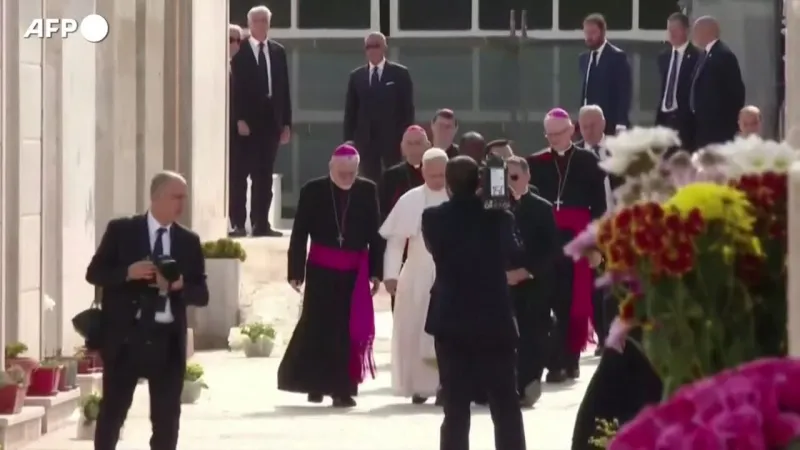
The need for such a centralized body resonates with the broader global discourse on responsible tourism and cultural preservation. With religious figures like Pope Leone XIV regularly engaging with the faithful at sites such as Castel Gandolfo, the importance of these spiritual hubs as centers for peace and dialogue is continually reinforced, further attracting devotees and curious travelers alike.
By establishing a dedicated institutional platform, the World Religious Tourism Network aims to elevate the discussion around religious tourism from fragmented efforts to a unified, impactful global strategy. This would ensure that the sector not only thrives economically but also continues to serve its fundamental purpose: fostering spiritual enrichment and cross-cultural understanding.
Looking ahead to 2026 and beyond, the sustained growth of religious tourism appears inevitable. A proactive, coordinated approach through an institutional forum is therefore crucial to harness its positive potential while mitigating its inherent risks, charting a path for respectful and enriching experiences for pilgrims and visitors worldwide.