 Angela Stefani
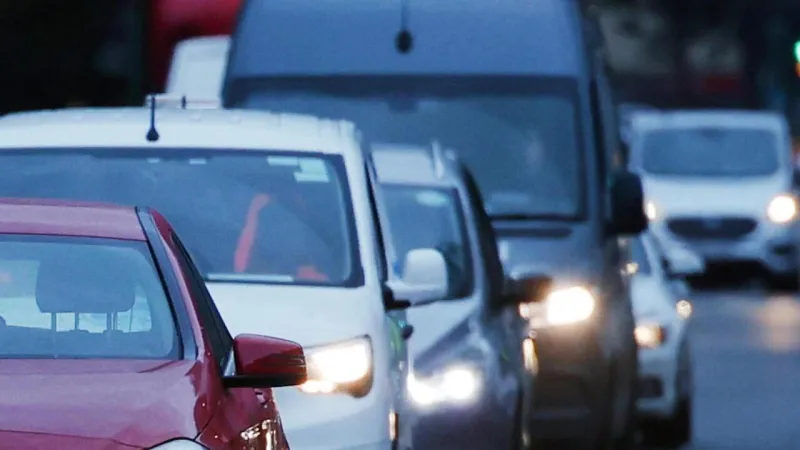
ROME – The Italian government has unveiled a sweeping new policy to abolish the annual road tax, commonly known as “bollo auto,” for approximately 70% of vehicles nationwide. This significant legislative change, effective immediately, aims to alleviate the financial burden for millions of drivers, particularly those owning city cars, utility vehicles, and small SUVs.
The exemption specifically targets vehicles with lower kilowatt ratings, a crucial parameter in determining eligibility. For households owning multiple vehicles, a specific provision dictates that the car with the lowest power output will automatically qualify for the exemption, ensuring that even multi-car families benefit from the new measure.
The “bollo auto” has long been a contentious levy in Italy, an annual tax on vehicle ownership that varies based on engine size, power output, and environmental class. Critics have often cited it as an archaic and burdensome imposition on car owners, especially in a country where personal vehicle use remains essential for many commuters and families.
Under the newly enacted decree, a broad spectrum of vehicles that typically fall into the lower-power categories will no longer be subject to this yearly payment. This encompasses the vast majority of compact automobiles that navigate Italy’s urban and suburban landscapes, representing a substantial portion of the national fleet.
Government officials, speaking on background, indicated that the move is part of a broader strategy to provide economic relief to Italian families and to stimulate the domestic automotive market. By reducing a recurring expense, authorities hope to free up household income for other expenditures, thereby indirectly boosting consumer confidence.
The policy also carries an implicit environmental component. By disproportionately favoring vehicles with lower kilowatt ratings, the measure subtly encourages the acquisition and continued use of more fuel-efficient and less polluting models. This aligns with broader European efforts to transition towards greener transportation solutions.
Industry analysts project that the elimination of the road tax for such a large segment of vehicles could lead to considerable savings for millions of Italian drivers, potentially totaling hundreds of millions of euros collectively each year. These savings are expected to be most impactful for middle and lower-income households.
The administrative details for implementing the exemption are being streamlined to ensure a smooth transition for vehicle owners. While the specific modalities will be communicated through official channels, the general principle is that eligible vehicles will simply cease to incur the annual tax obligation, removing the need for complex application processes.
This move by the Italian government stands in contrast to some other European nations that have maintained or even increased vehicle-related taxes, often tying them to emissions standards. Italy’s decision signals a distinct approach, prioritizing direct consumer relief and support for the automotive sector's entry-level segments.
The abolition of the road tax for 70% of vehicles represents a significant policy shift that is anticipated to be widely welcomed by the public. It underscores the government's focus on tangible economic measures designed to improve the daily financial lives of its citizens and revitalize key sectors within the national economy.
The long-term effects of this widespread car tax exemption will be closely monitored by economists and policymakers. While immediate benefits for consumers are clear, experts will assess its impact on state revenues, the automotive industry's trajectory, and broader economic indicators in the coming years.
This initiative marks one of the most substantial governmental interventions in Italy's automotive taxation landscape in decades, signaling a new era for vehicle ownership costs in the country.