 Edward DP Situmorang
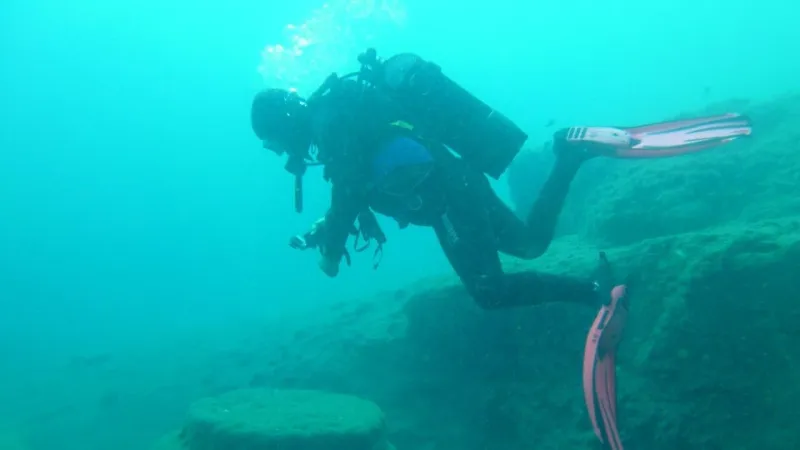
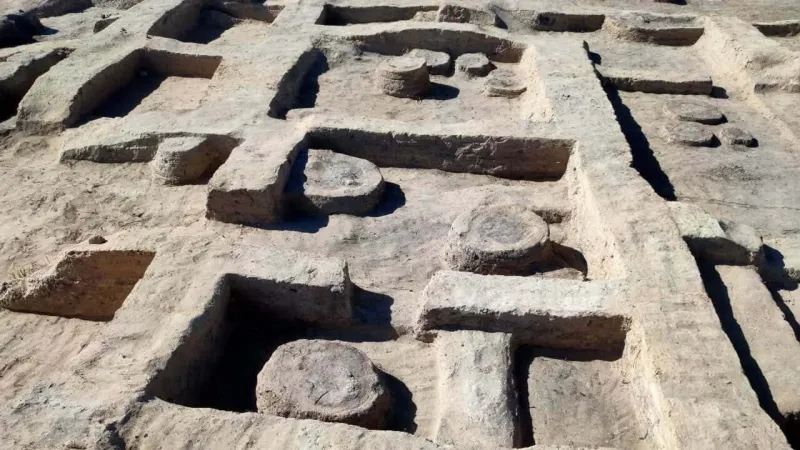
A groundbreaking study by an international team of researchers has uncovered a profound underwater archive off the coast of Lipari, Italy, illuminating nearly 3,900 years of dynamic coastal transformation. These meticulously examined submerged archaeological sites offer an unprecedented window into the interplay between human habitation and environmental shifts, particularly during the Bronze Age, within the geologically active Aeolian Islands.
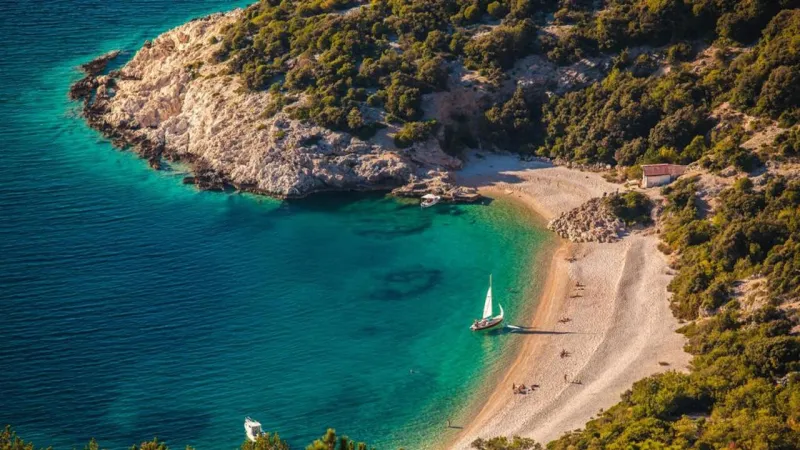
The investigation centered on ancient settlements that now lie beneath the waves, remnants of communities that once thrived along a coastline vastly different from todays. Located in the Tyrrhenian Sea, the Aeolian archipelago, a UNESCO World Heritage site, presents a unique natural laboratory for understanding long-term geomorphological processes and their impact on early civilizations.
Dating back as far as the second millennium BCE, the submerged structures and artifacts provide tangible evidence of coastal environments from the Bronze Age. This extensive timeframe allows scientists to reconstruct a detailed chronology of sea-level fluctuations, volcanic activity, and erosional patterns that have sculpted the islands landscape over millennia.
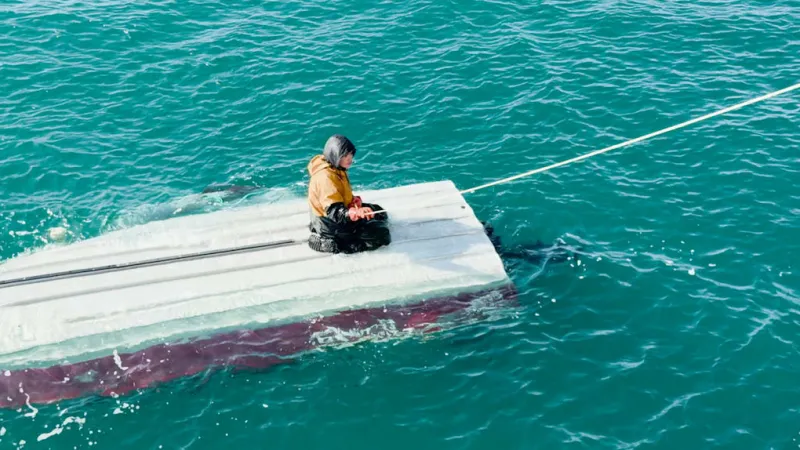
Employing advanced marine archaeology techniques, including remote sensing, sonar mapping, and meticulous underwater excavation, the research team precisely documented the extent and nature of these ancient coastal modifications. This interdisciplinary approach synthesized geological, archaeological, and paleobotanical data to paint a comprehensive picture.
Crucially, the study sheds new light on the daily lives and adaptive strategies of the Bronze Age inhabitants of Lipari. Evidence suggests these early communities ingeniously adapted to a continuously changing shoreline, developing sophisticated methods for resource management and coastal defense in response to environmental pressures.
One of the studies primary findings details a complex pattern of sea-level change. While global sea levels generally rose over this period, localized tectonic movements and volcanic uplifts around the Aeolian Islands introduced significant regional variations, causing some areas to submerge more rapidly than others.
The volcanic nature of Lipari further complicates the picture, with eruptions and seismic activity periodically altering the islands topography and coastline. The archaeological record now provides direct evidence of how these natural phenomena impacted settlement patterns and human resilience.
Understanding these ancient responses to environmental change carries significant implications for contemporary coastal communities facing similar challenges. The studies findings highlight the long-term human adaptation to a dynamic planet, providing a historical perspective on resilience and vulnerability.
The continuous monitoring of these submerged sites is vital, not only for preserving cultural heritage but also for offering predictive models for future coastal management strategies, especially in regions susceptible to ongoing sea-level rise and geological instability. This research stands as a testament to the enduring human story against the backdrop of an ever-changing natural world.
Experts suggest that such comprehensive studies are essential for contextualizing current environmental concerns within historical precedents. The data from Lipari serves as a critical dataset for climate scientists and archaeologists alike, bridging the gap between deep time and present-day observations.
The insights gleaned from Liparis underwater past contribute to a global understanding of Holocene coastal evolution, providing a crucial comparative dataset for similar archaeological research being conducted across the Mediterranean and beyond. The collaborative nature of the project underscores the international effort required to unravel such complex historical narratives.
This discovery further solidifies Italy's position as a treasure trove of archaeological wonders, continuously yielding new perspectives on ancient civilizations. From Rome's enduring legacy to the hidden depths of the Aeolian Sea, the nation offers an unparalleled historical panorama.