 Dodi Irawan
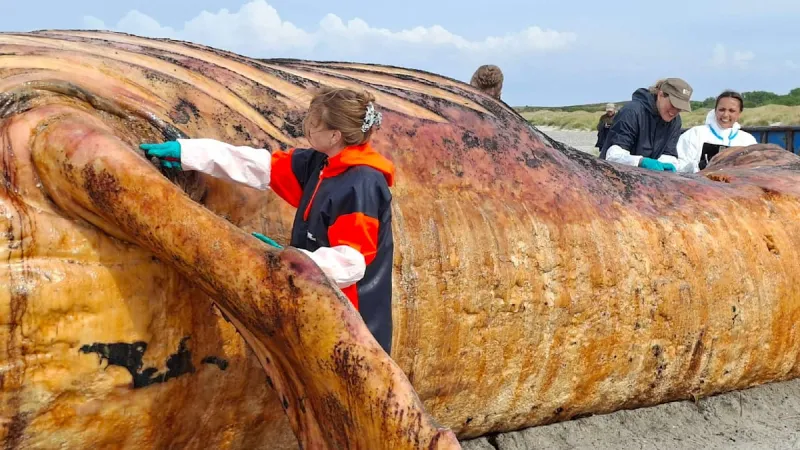
A humpback whale, widely known as Timmy but definitively identified as female following weeks of public fascination and concern, recently underwent a thorough necropsy. The post-mortem examination tragically linked its demise to the ingestion of significant human debris, confirming fears about marine pollution's devastating impact on wildlife.
The massive marine mammal garnered national headlines for weeks after its stranding along a coastal stretch. Public interest swelled, marked by both sorrow for the creature's plight and a collective hope for understanding the circumstances surrounding its untimely end.
Marine biologists and veterinary pathologists meticulously conducted the detailed necropsy. This intensive process aims to uncover biological data, assess health, and ultimately determine the cause of death for large cetaceans, often providing critical insights into ocean health.
Initial public identification incorrectly assumed the whale was male, leading to the affectionate moniker Timmy. However, the necropsy revealed its true biological sex, a common finding in stranded cetaceans where external examination can be misleading without specialized expertise.
The most distressing finding from the examination was the presence of a substantial quantity of human-generated waste within the whale's digestive system. This discovery provides a stark, visceral illustration of the pervasive and lethal threat posed by plastic and other discarded materials in marine environments.
Experts noted the debris likely played a direct role in the whale's death, potentially causing internal injuries, blockages, or chronic malnutrition that severely weakened the animal. Such incidents are not isolated, echoing a growing global crisis of ocean pollution.
This tragic outcome resonates with similar cases documented worldwide, where marine animals from sea turtles to albatrosses are found with stomachs full of plastic bags, fishing gear, and microplastics. The consequences range from starvation to organ failure.
The public, which followed the whale's story, now faces the somber reality of its fate. A video documenting the extensive autopsy procedures has been released, though authorities caution viewers about its graphic nature due to the comprehensive internal examination required.
Scientists underscore the critical importance of these necropsies. Each examination offers invaluable data that informs conservation strategies, public awareness campaigns, and policy development aimed at mitigating human impact on fragile marine ecosystems.
Environmental advocates frequently cite incidents like this whale's death as urgent calls to action. They advocate for stricter regulations on waste management, increased recycling efforts, and a global reduction in single-use plastics to protect marine biodiversity.
This incident mirrors recent global reports, including one detailed in an article titled Autopsy Links Human Debris to Stranded Humpback Whale's Demise, which further illustrates the recurring pattern of marine fatalities directly attributable to discarded human items.
The ongoing challenge of marine debris extends beyond visible plastics to encompass microplastics, chemical runoff, and abandoned fishing gear, often referred to as ghost gear, all contributing to a complex web of environmental hazards.
Conservation organizations are intensifying efforts to clean up coastal areas and educate communities about the ripple effects of irresponsible waste disposal. They emphasize that every piece of trash discarded carelessly can eventually find its way into the ocean.
The story of the female humpback, initially known as Timmy, serves as a poignant reminder that human actions on land have profound and often deadly consequences for marine life. It compels a renewed focus on environmental stewardship and sustainable practices.
Researchers will continue to analyze samples collected during the necropsy to gain even deeper understanding into the whale's overall health, migratory patterns, and the specific composition of the ingested debris. This scientific rigor is essential for developing targeted interventions.
The tragic narrative calls for a re-evaluation of current global efforts to combat ocean pollution. While international agreements exist, their enforcement and widespread adoption remain inconsistent, leaving marine giants vulnerable.
The image caption will accompany any visual representation of this somber scientific undertaking, detailing the significant work involved in uncovering such truths.
Ultimately, the fate of this female humpback whale, a majestic creature that roamed the oceans, transforms from a local news item into a global ecological statement, urging humanity to address its footprint on the planet's vast aquatic realm.